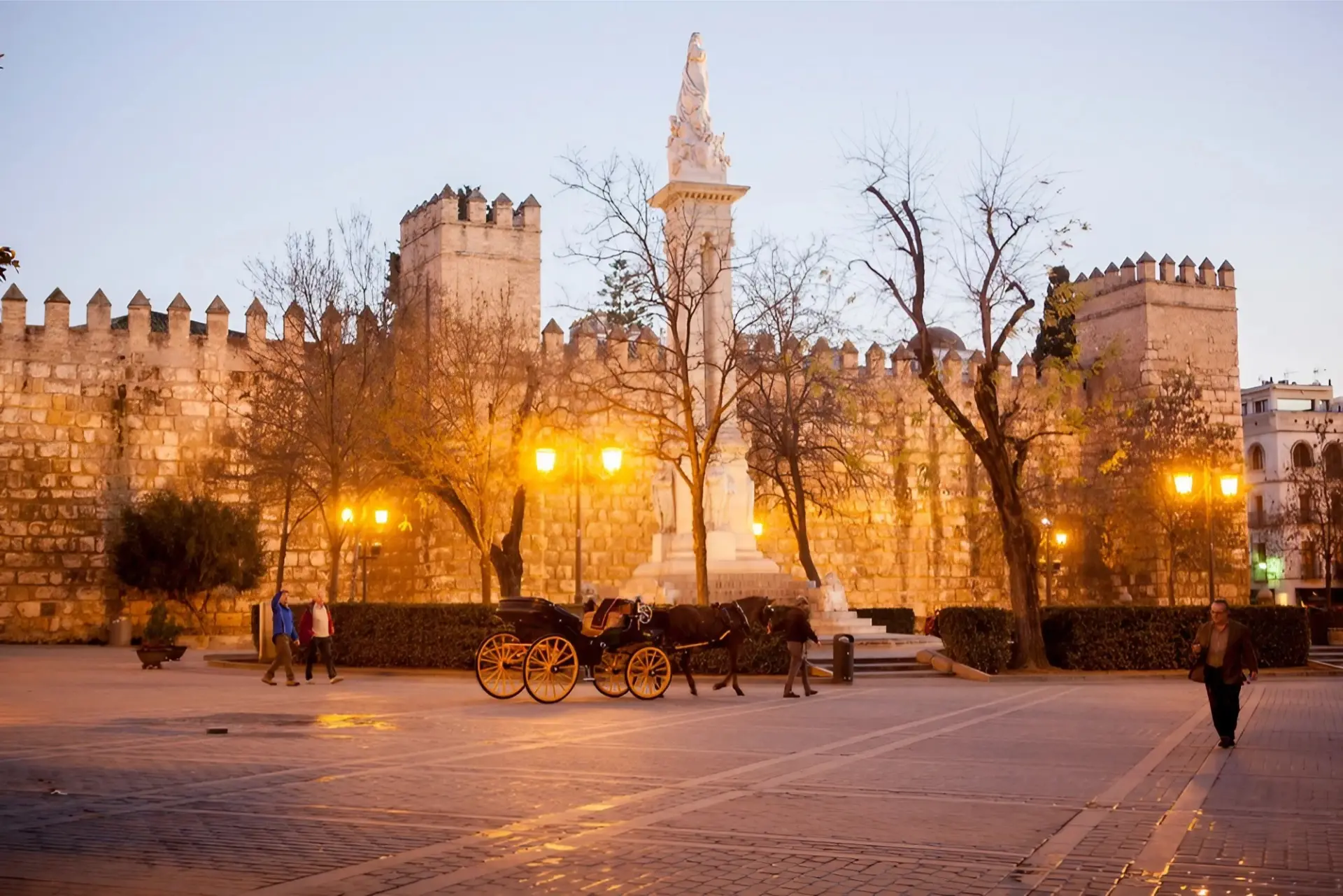
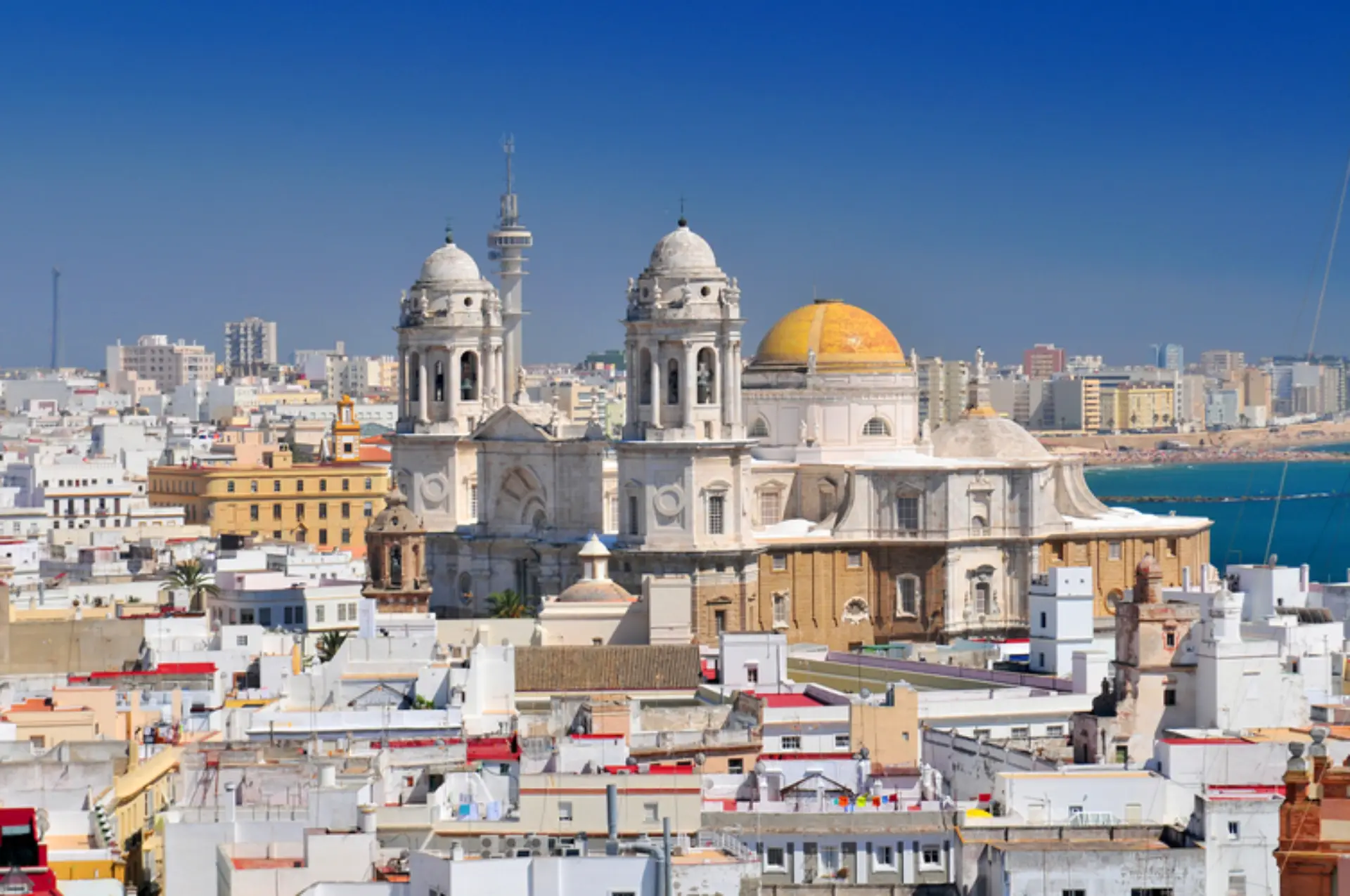
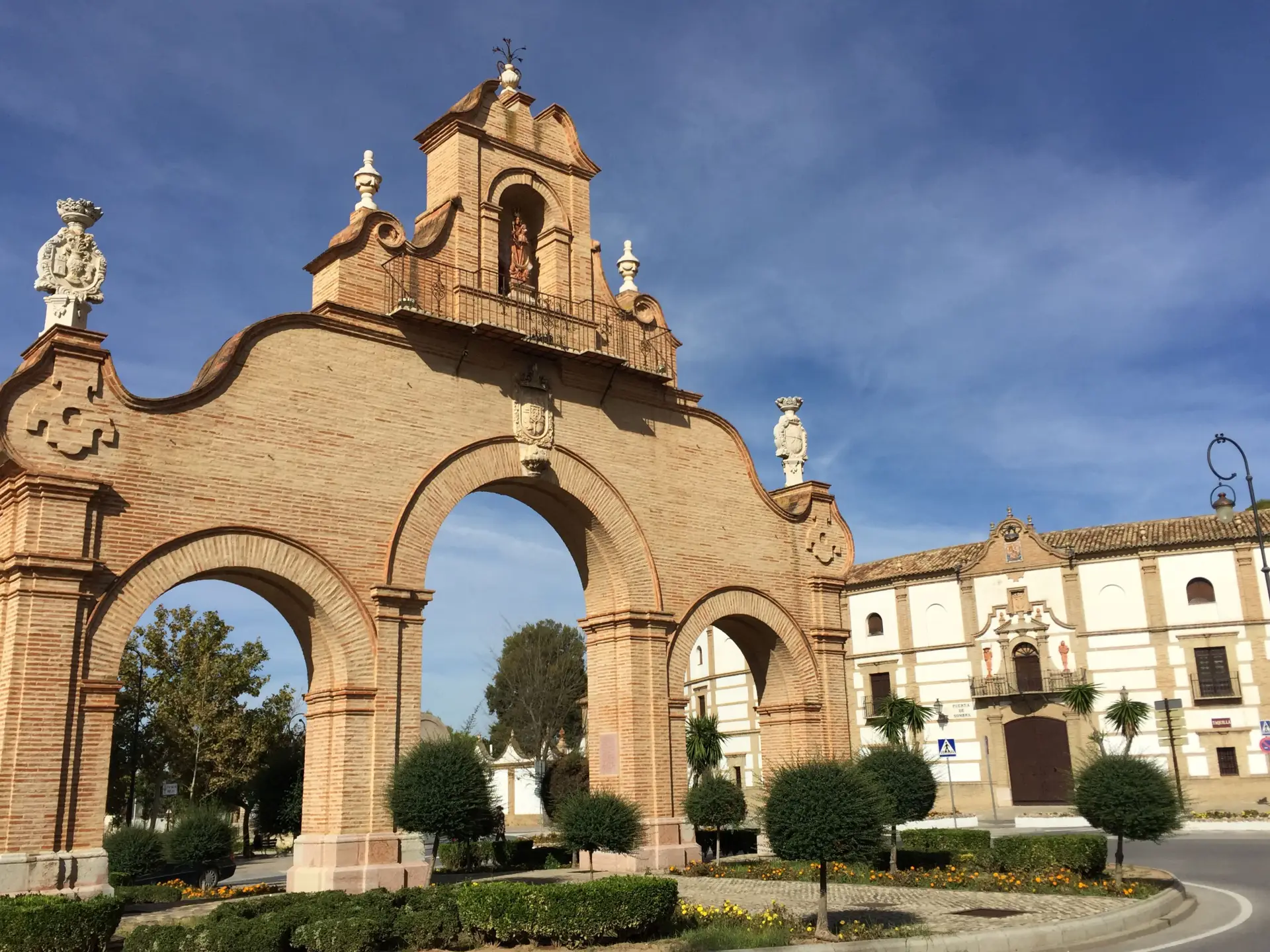
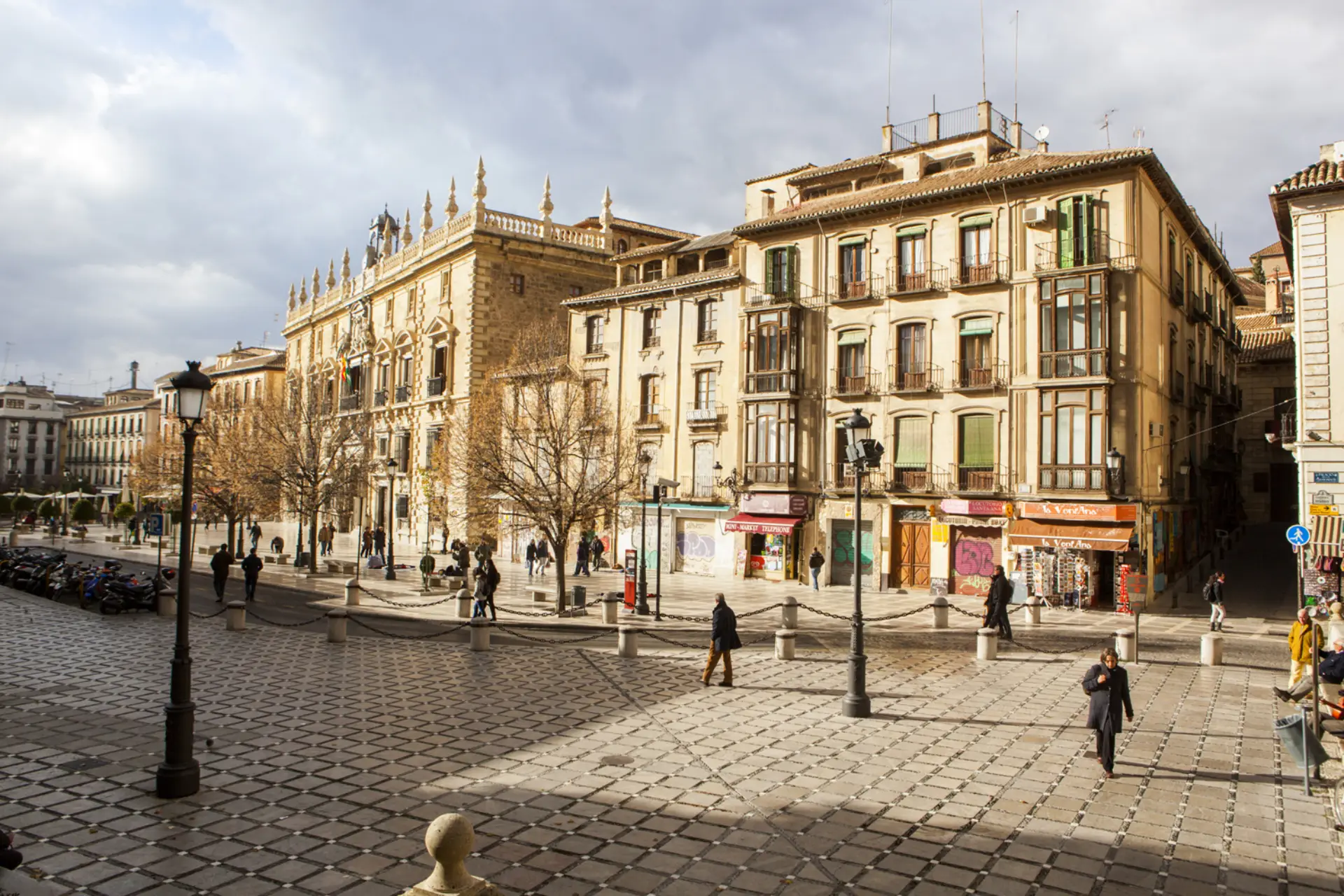
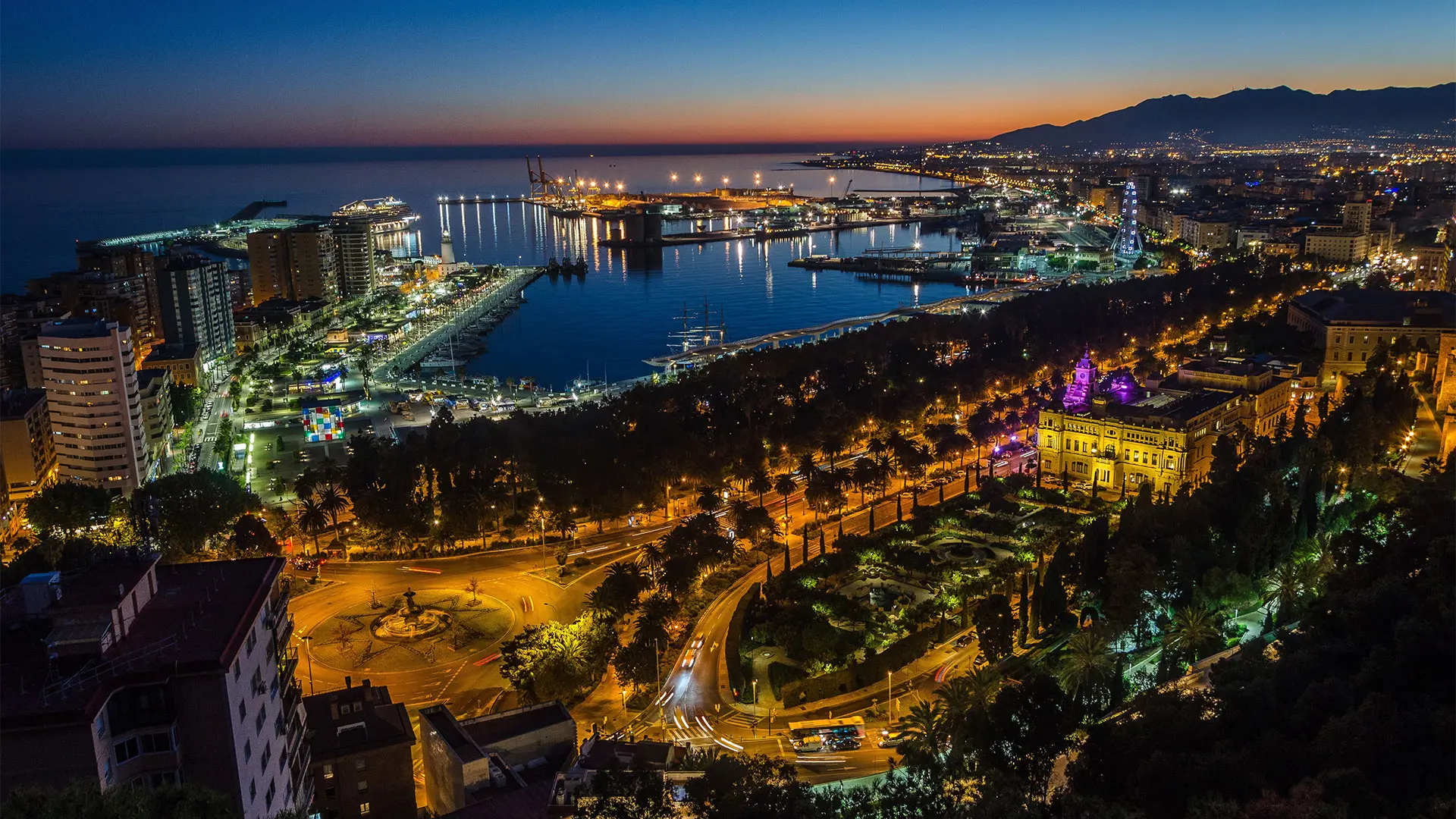
Archidona barely appears on most Andalucia itineraries. Neither does the Camino Mozárabe, or the olive mills of the Antequera Vega as the harvest gets underway, or the ibex that come down to El Torcal’s limestone towers once the tourists have gone.
TOMA & COE has been building itineraries through this interior for years — through Archidona’s baroque squares and boutique guesthouses, across the lunar plateau of El Torcal, along the old pilgrim road north. The interior repays the visit at every point along it.
Archidona: The town that keeps its secrets
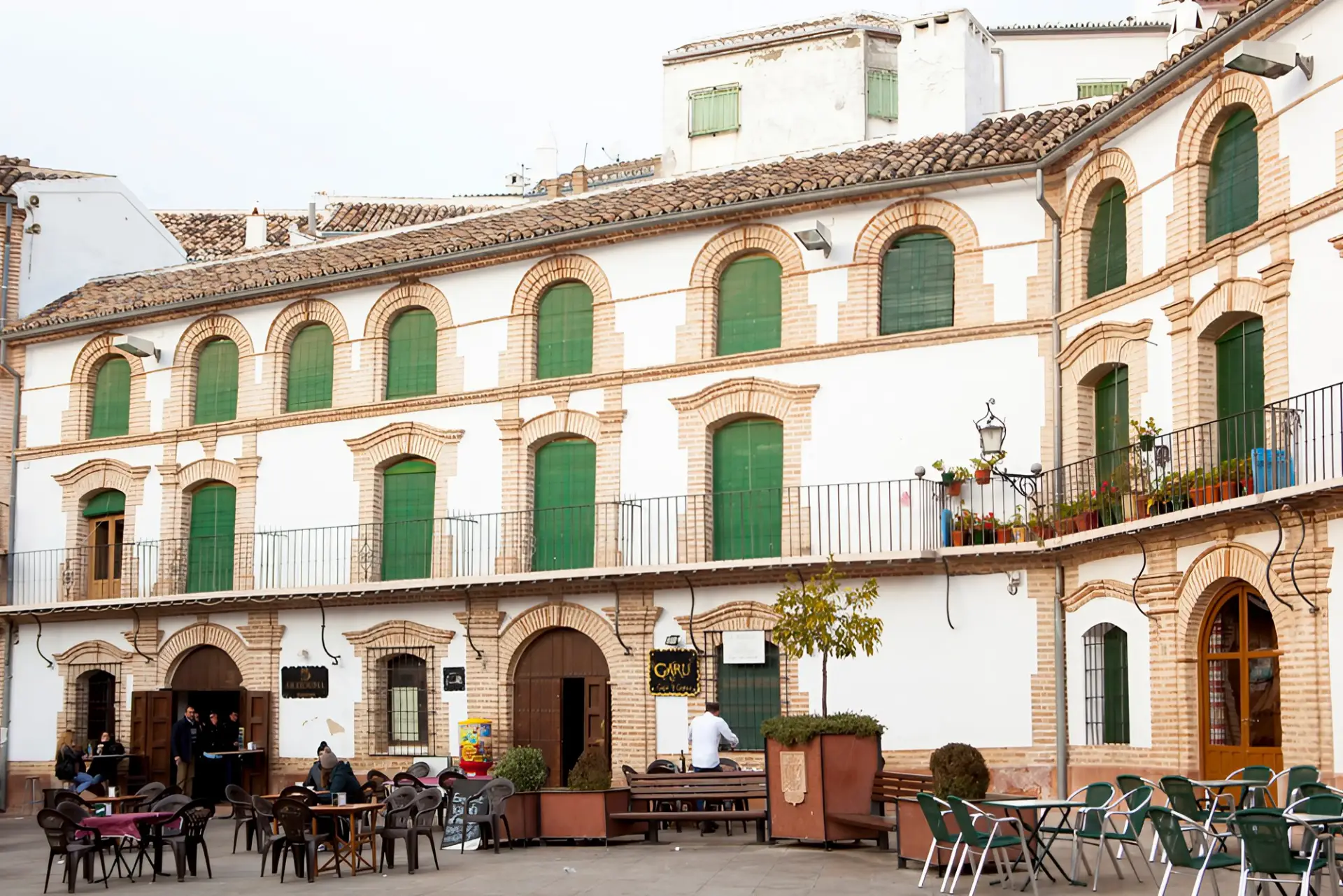
Most visitors to Málaga province never make it to Archidona. That is their loss, and — for those of us who do know it — something of a private pleasure. Tucked into the folds of the Subbética, roughly equidistant between Málaga and Granada, this compact hilltop town rewards a slow afternoon on foot.
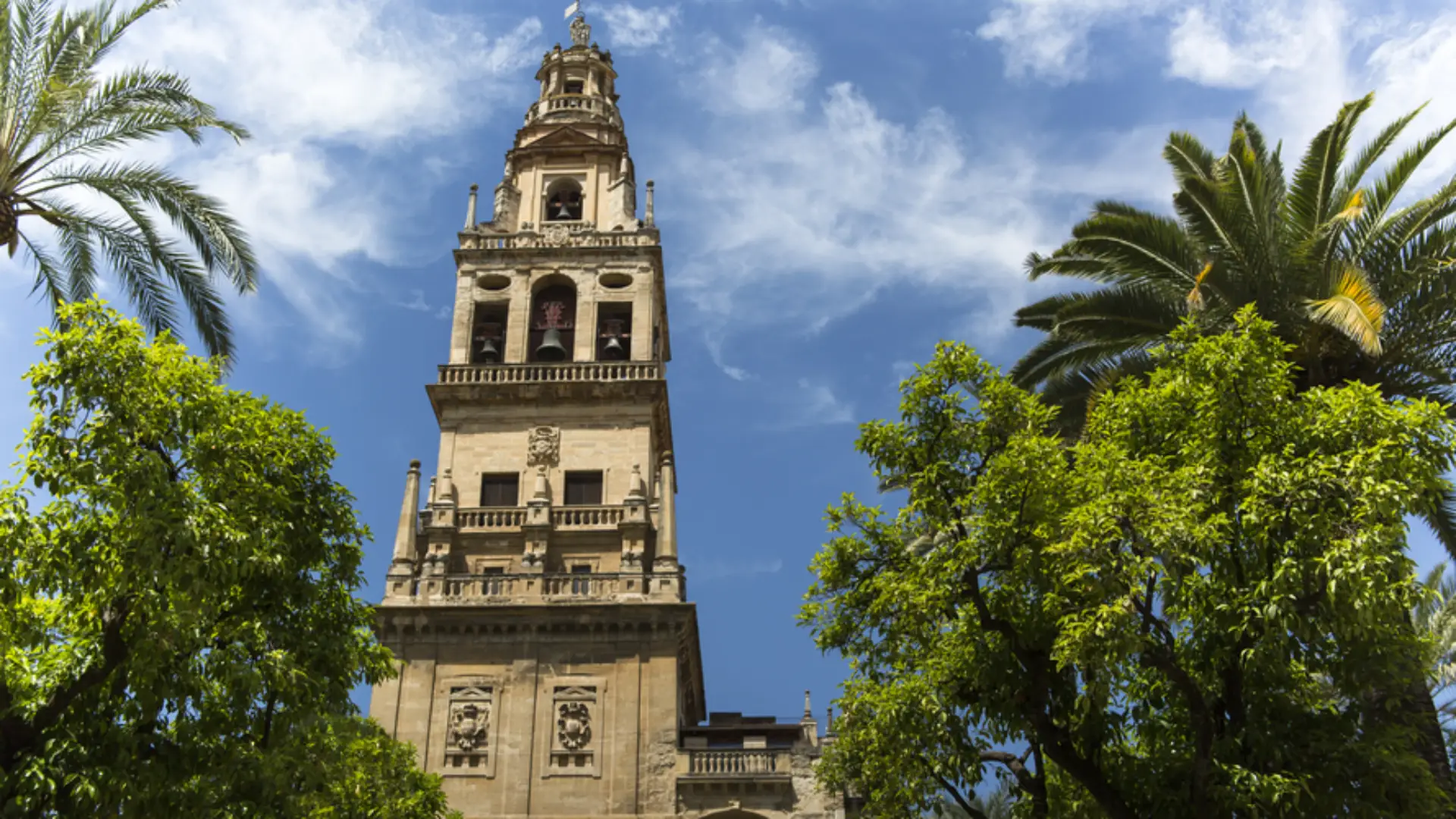
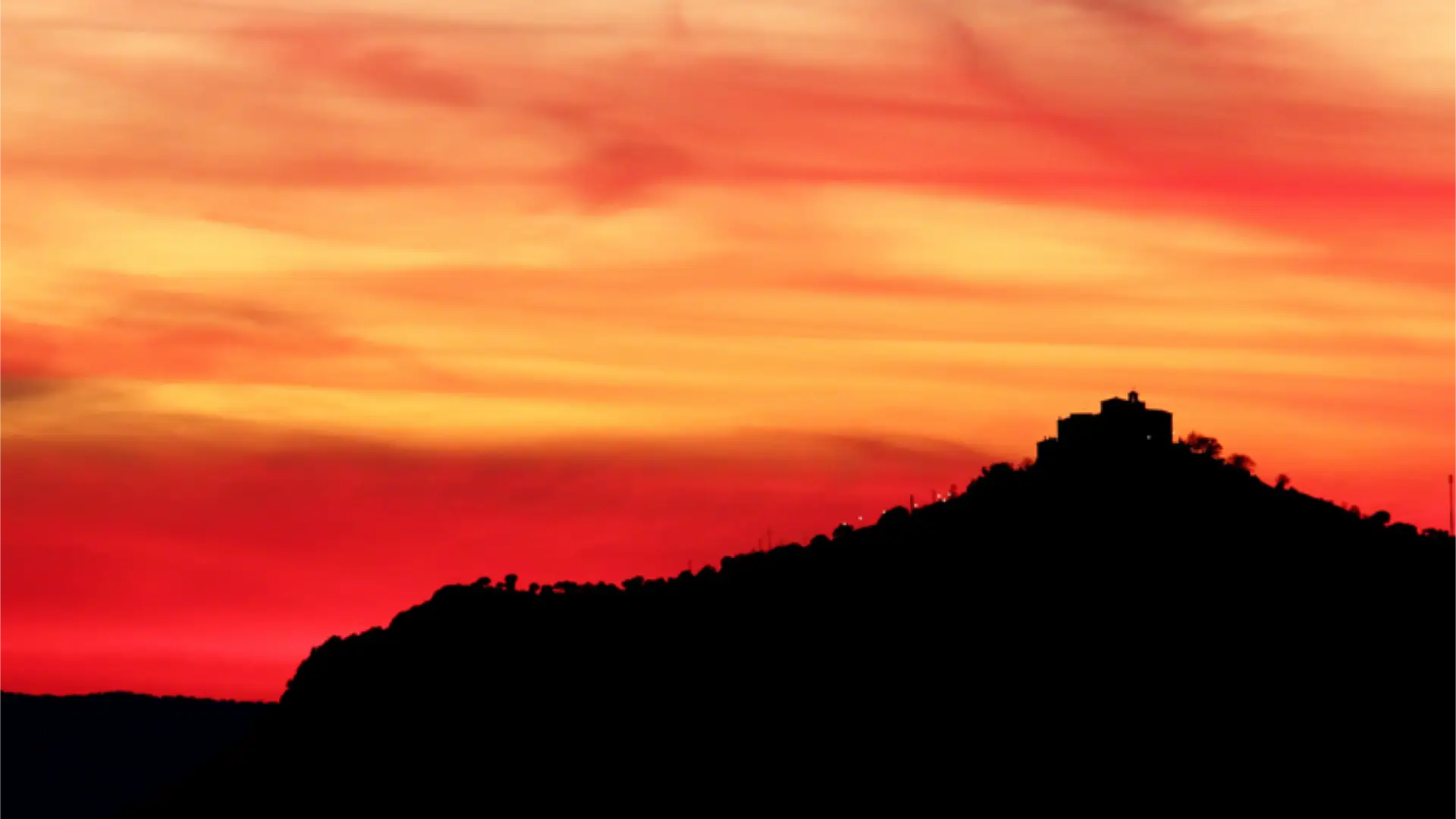
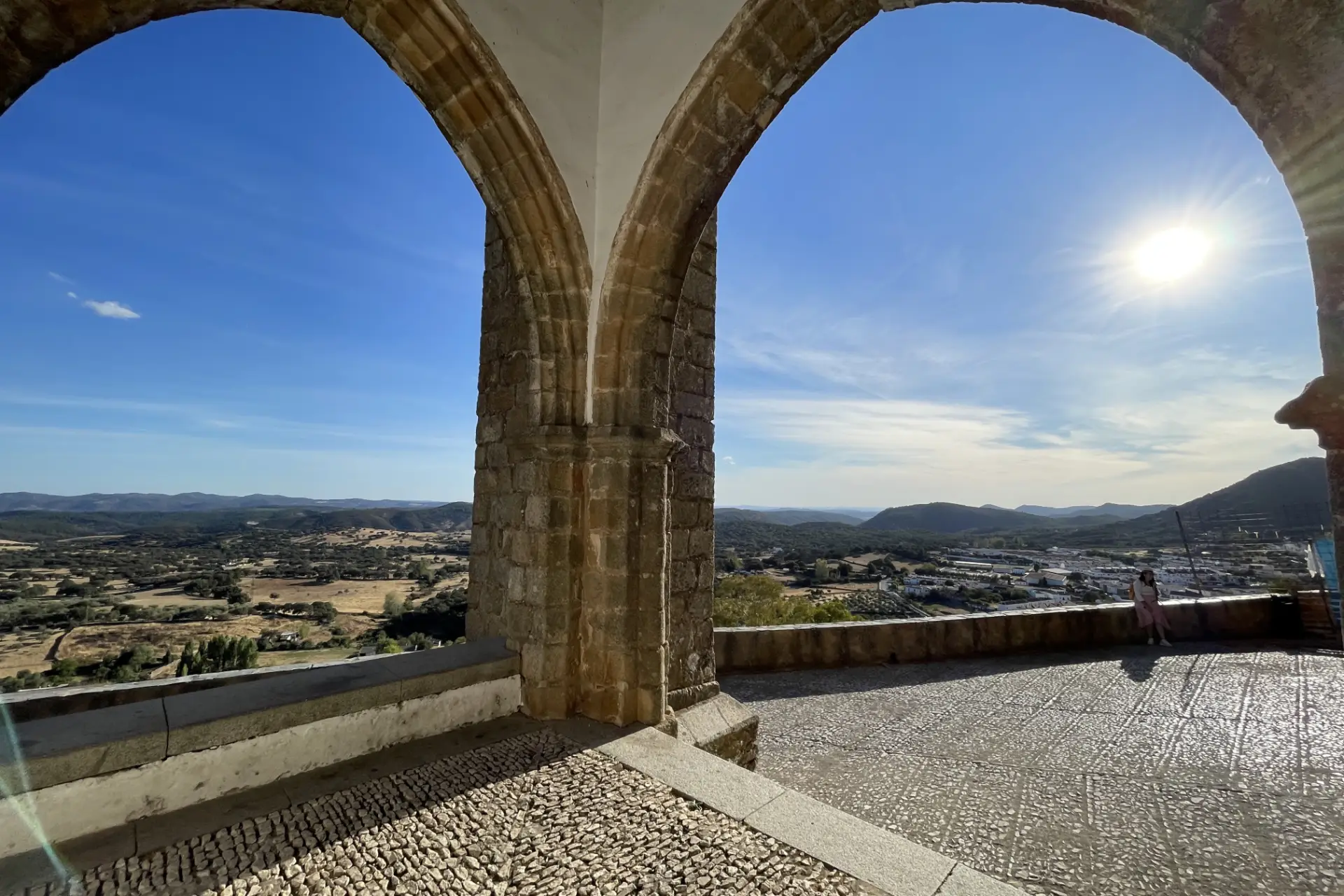
The Plaza Ochavada is the centrepiece: an extraordinary octagonal baroque square, ringed by ochre and white facades, and one of the most elegant public spaces in the province. Andalucia has no shortage of grand plazas, but this one has an intimacy and uniqueness to it. Up above the town, the Santuario de la Virgen de Gracia surveys the valley from its clifftop perch, the views alone justifying the climb.
Stay here, if you can. Archidona now has two boutique properties that have quietly raised the bar for the whole region. Hostal Aljibe — four rooms, a saltwater pool, impeccably designed in a traditional townhouse a stone’s throw from the Plaza — is run with the kind of attentive, unhurried hospitality that larger hotels cannot manufacture. Almohalla 51, a five-room guesthouse in a pair of adjoining 18th-century townhouses, climbs the wooded hillside above the old quarter, with open fires, shaded terraces, a plunge pool and views up to the sanctuary. Both are the antithesis of the resort hotel: personal, rooted in place, and genuinely excellent.
Archidona also sits at the crossroads of the region, which makes it an ideal base. Málaga is forty minutes south. Granada is an hour east. And in between lies a constellation of smaller pleasures: Antequera’s dolmens, the limestone labyrinth of El Torcal, and the olive mills of the Vega.
Antequera: Monumental and Magnificent
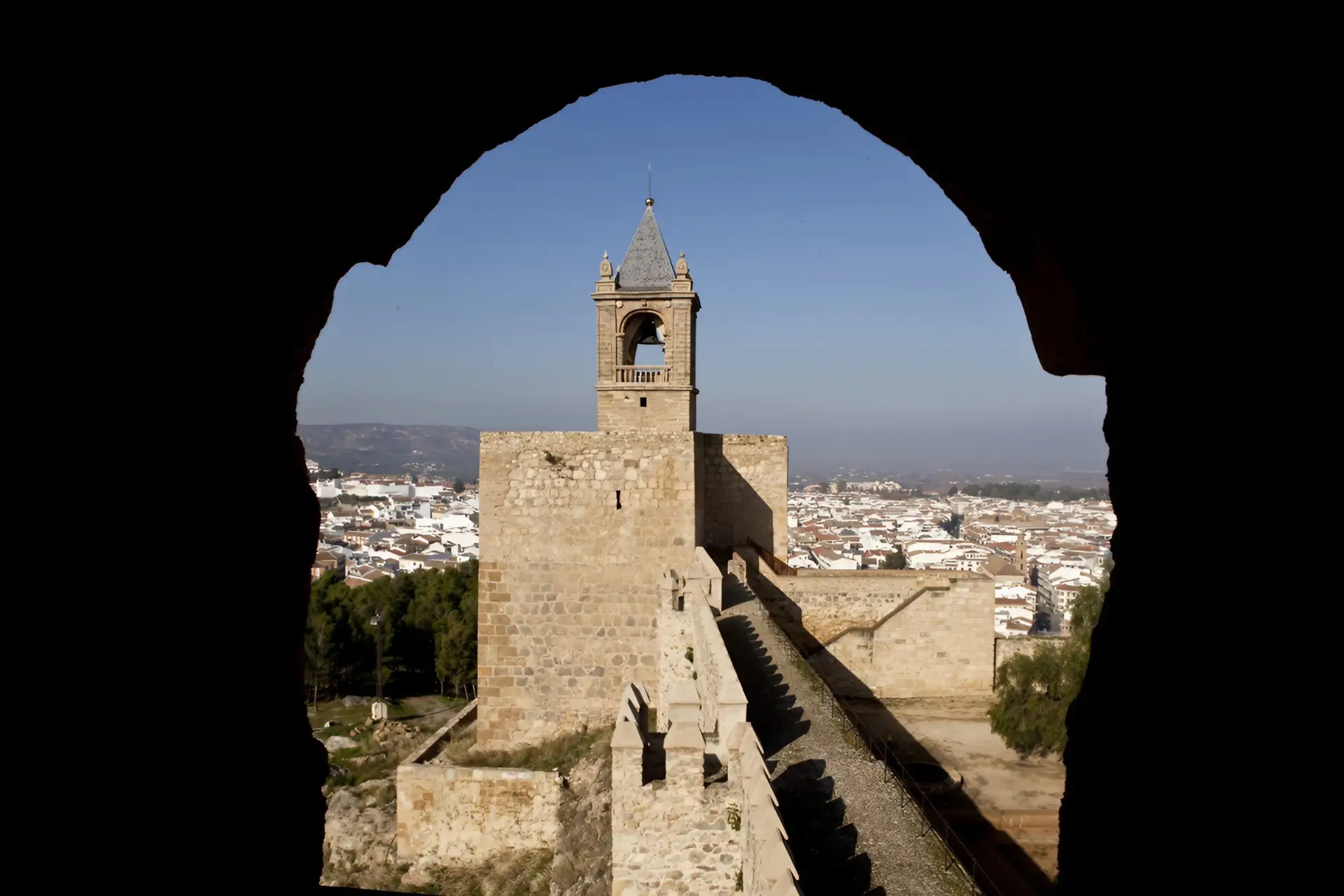
Antequera has been called the heart of Andalucia, and geographically it has a case: the town sits more or less centrally in the region, with routes radiating outward to every provincial capital. But what makes it worth your time is not geography, it is history, stacked several millennia deep.
The Dolmens of Antequera — Menga, Viera, and El Romeral — are among the most significant Neolithic monuments on the Iberian Peninsula, and were awarded UNESCO World Heritage status in 2016. Menga, in particular, is genuinely astonishing: a passage tomb built roughly 5,500 years ago from limestone slabs weighing up to 180 tonnes, aligned so precisely with the distant La Peña de los Enamorados that the relationship between the two can hardly be accidental. Standing inside it at dawn, as light filters down the passage, is one of those experiences that rearranges your sense of scale.
Above the town, the Moorish Alcazaba offers panoramic views over the Vega de Antequera — a wide, fertile plain that has fed this corner of Andalucia since Roman times and is now, in autumn, a patchwork of tilled earth, olive groves, and the last green of the season. The collegiate church of Santa María la Mayor, immediately below, is an early Renaissance jewel.
Antequera also has a serious food culture that tends to get overlooked. The sopas perotas — a warming bread and garlic soup, thick enough to be a meal — is the canonical dish of autumn here, and you will find it served properly in the town’s older bars and ventas. Save room for bienmesabe, an almond and honey sweet that the convents have been making for centuries.
Explore: Twin Towns Tour of Archidona and Antequera
El Torcal: A landscape from another time
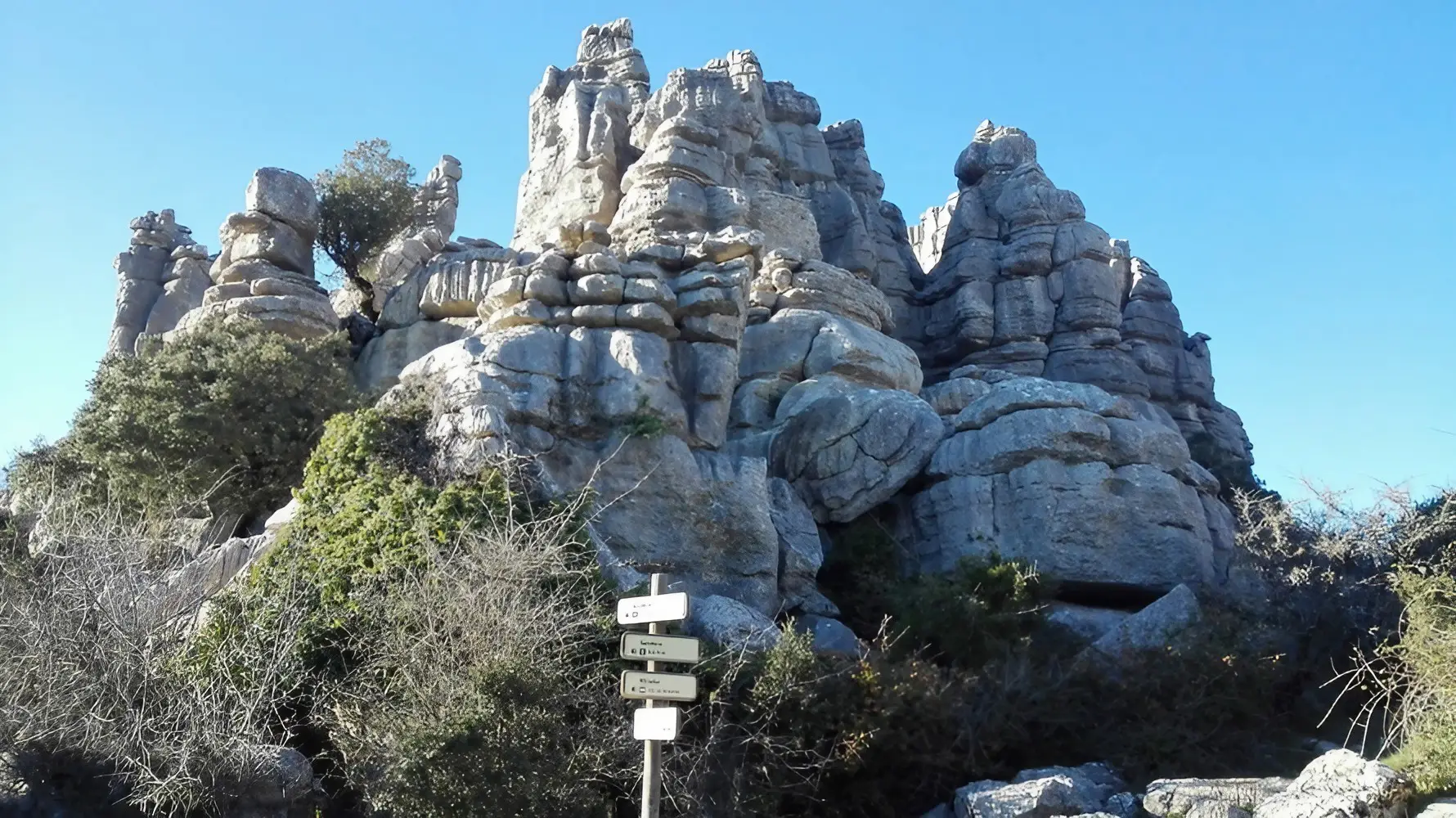
Ten kilometres south of Antequera, the land rises sharply into one of the strangest natural landscapes in Europe. El Torcal de Antequera is a karst plateau formed from limestone that lay beneath a shallow sea 150 million years ago. The tectonic collision of Africa and Europe eventually pushed it skyward, and millennia of wind and rain have since carved it into what you see today: towers, arches, balanced slabs, rounded monoliths, each one slightly implausible.
Autumn is the ideal season to visit. Temperatures sit comfortably between 15°C and 25°C, the crowds of high summer have gone, and the light has acquired that particular amber quality that makes limestone glow. The park’s resident wild goats — Spanish ibex — come down from higher ground for the mating season, making wildlife sightings far more likely than at any other time of year. Griffon vultures are a near-constant presence overhead, riding the thermals above the cliffs.
In the right conditions, autumn also brings low cloud and mist drifting across the plateau, half-obscuring the rocks and giving the landscape an atmosphere that is closer to the fantastical than the merely geological. Photographers plan trips specifically around these mornings. Three marked trails start from the visitor centre — the 45-minute green route, the two-hour yellow, and the more demanding three-hour red, which on a clear day offers views all the way to the Sierra Nevada and the coast.
Come for the morning. Walk slowly. Stay for lunch at the small restaurant at the visitor centre. There is no hurry, and no reason to be anywhere else.
A Day on the Camino Mozárabe
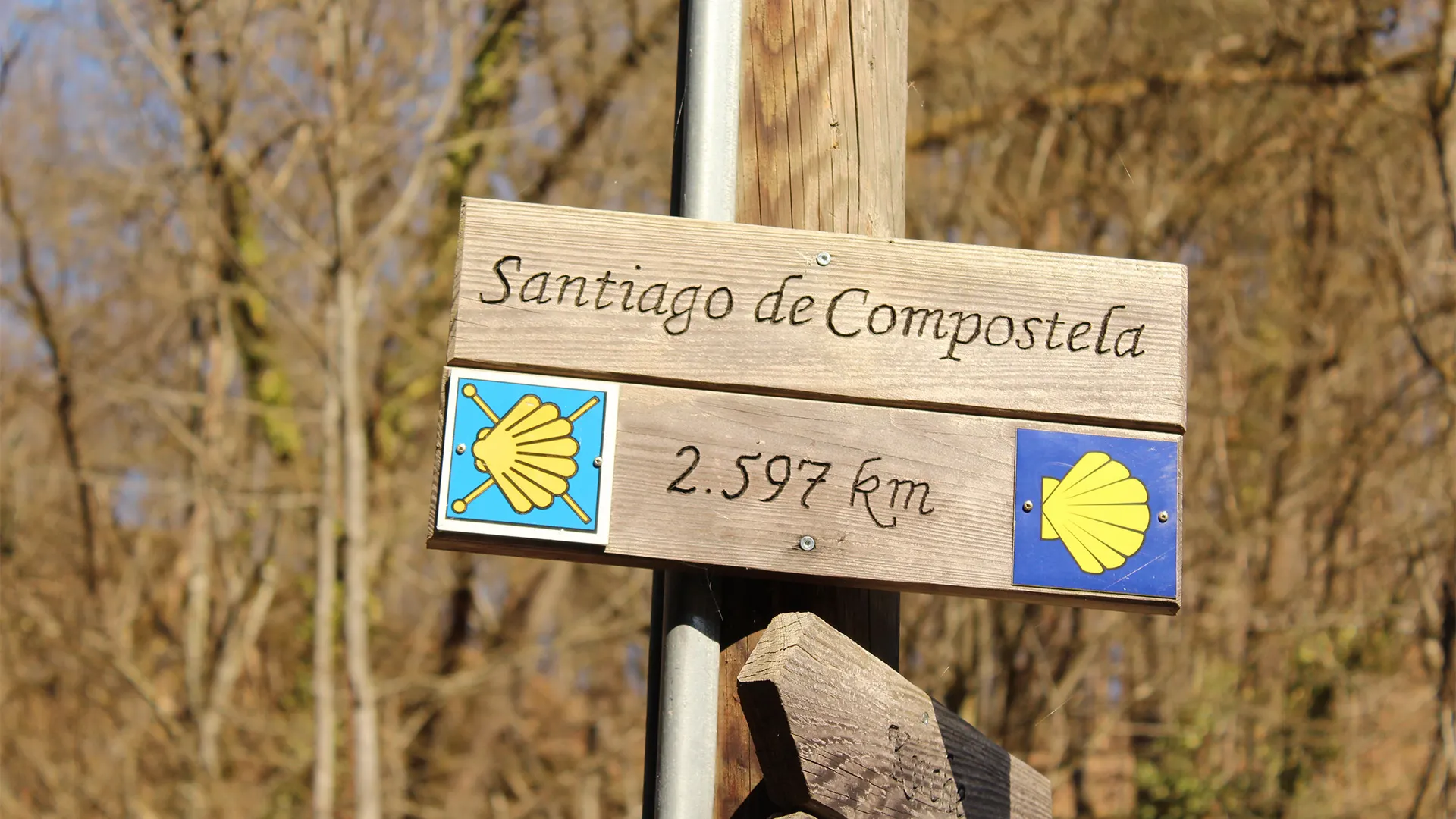
The Camino Mozárabe is the least-walked and arguably most beautiful of the Camino de Santiago’s southern routes. Named for the Mozarabs — the Christians who lived under Moorish rule during the centuries of Al-Andalus — it follows ancient paths from Málaga northward through the interior, joining the main Via de la Plata at Mérida before continuing to Santiago de Compostela.
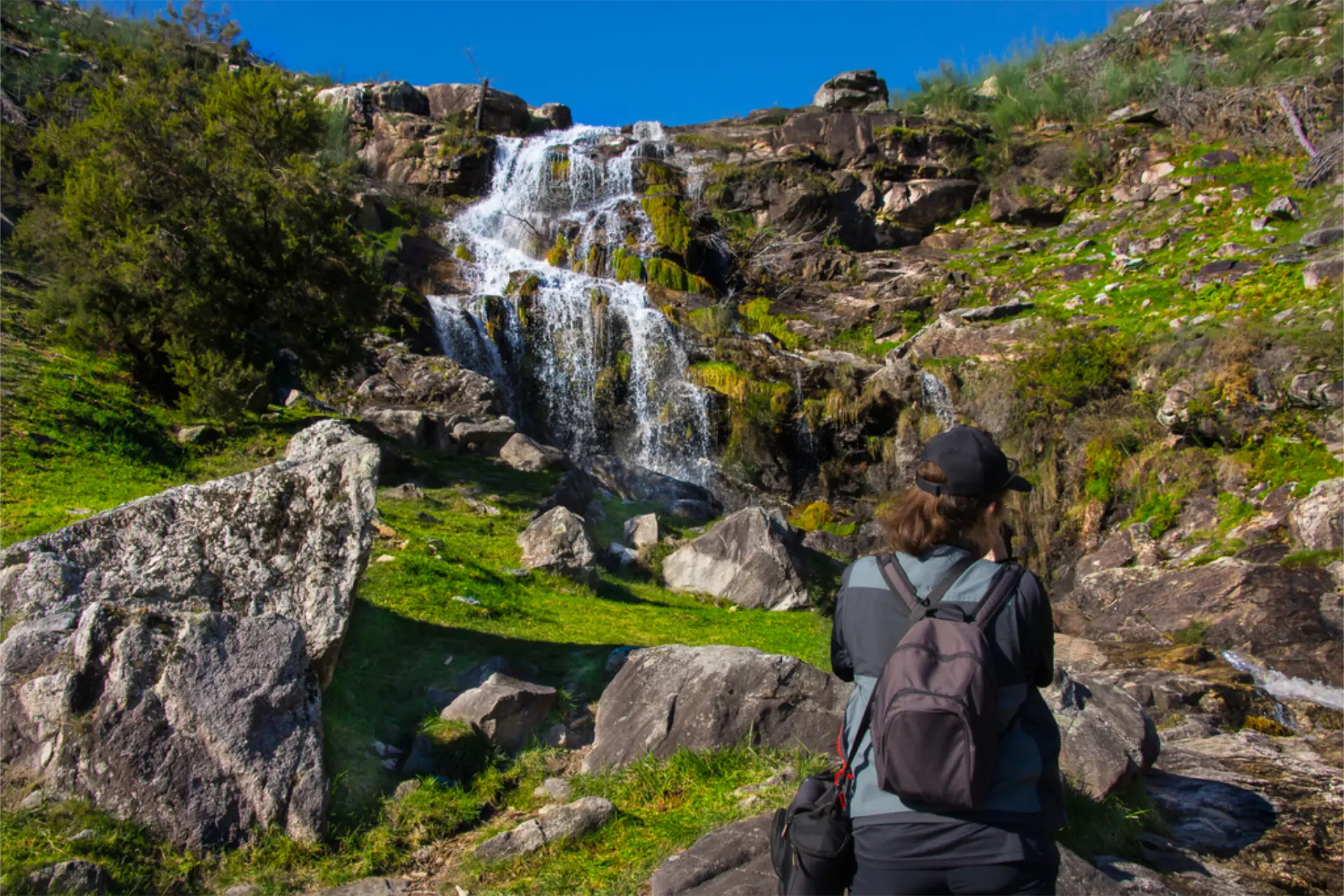
You do not need to be a pilgrim to walk a stage of it. Starting from the Church of Santiago in Málaga, the route passes through Almogía and Villanueva de la Concepción before dropping down to Antequera — and it is in this stretch, through the foothills and farmland east of the city, that the walk really reveals itself. The path continues north through Cartaojal and Cuevas Bajas, crossing old bridges over the Burriana River, with broad views across the Vega de Antequera and the Estepa mountain range opening up along the way.
Autumn is the recommended season for this reason above all others: the summer heat in Andalusia’s interior is not merely uncomfortable but genuinely prohibitive on a long walk. By October, the temperatures are benign, the light is extraordinary, and the olive harvest is beginning in the groves on either side of the path. The scent of crushed olives in the air is one of those things that stays with you.
Walking a single day’s stage — say, Antequera to Cuevas Bajas, roughly 23 kilometres — gives you a complete experience of this landscape without requiring pilgrim-level commitment. TOMA & COE can arrange transport to the trailhead and onward transfer at the end, as well as a local lunch stop and context for what you are seeing along the way, or enjoy the walk with a guide.
Olive Oil – the groves and harvest
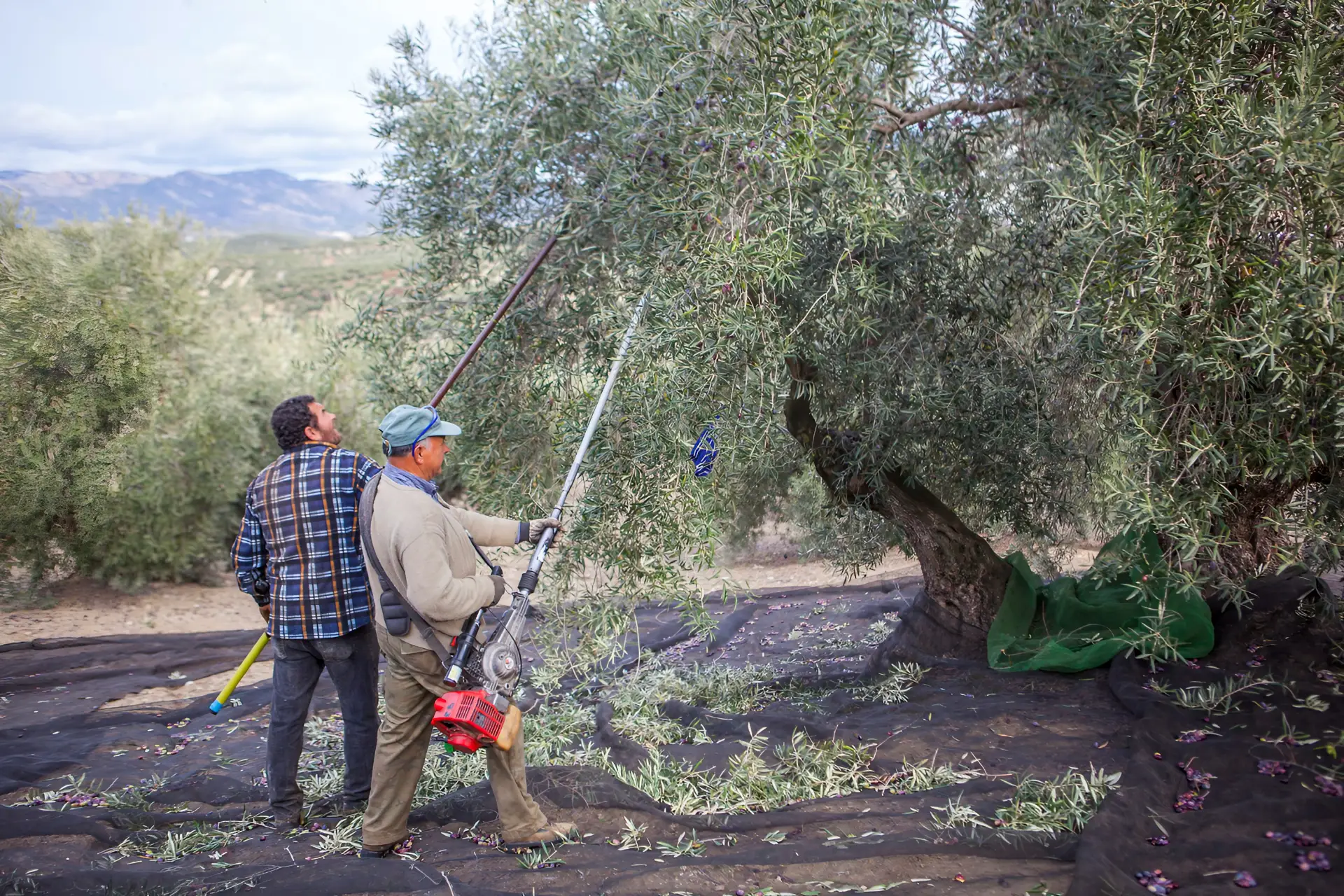
The Vega de Antequera is olive country in the most fundamental sense. The groves here are ancient — some trees have been producing fruit for centuries — and the harvest that begins in October and runs through to February is the rhythm around which the agricultural year organises itself. In autumn, you will see the nets spread beneath the trees, the men with long sticks moving between rows, and, if you are in the right place at the right time, the mills running through the night.
Understanding olive oil at this level changes how you eat for the rest of your life. A visit to a local almazara during harvest, tasting oil pressed that same morning, is an education that costs nothing and reveals everything.
The area around Archidona and Antequera produces oils of real character — typically from Hojiblanca and Picual varieties — and the cooperative mills are generally welcoming to visitors with a genuine curiosity. This is not a structured tourist experience; it is a working agricultural operation, which is precisely what makes it valuable.
La Bobadilla: Where to Stay When Only the Best Will Do
If Archidona’s boutique properties offer intimacy and authenticity, Finca La Bobadilla — part of the prestigious Leading Hotels of the World but retaining its singular character — offers something different: Andalusian grandeur on a scale that has to be seen to be believed.
Built in the style of a traditional Andalusian village and spread across 350 hectares of olive groves and oak woodland near Loja, La Bobadilla is one of those places that has accumulated a mythology. Plácido Domingo, Tom Cruise, King Juan Carlos — the guest list across the decades reads like a dispatch from a more glamorous era. Seventy individually designed rooms and suites, three restaurants including the flagship La Finca, a spa that runs on energy from olive-pit biomass, and more than a thousand acres of estate to explore on horseback, by bicycle or on foot.
Positioned equidistant from Málaga and Granada airports — roughly 45 to 50 minutes from each — La Bobadilla makes a natural anchor for a touring itinerary that takes in both cities as well as the interior. Antequera, El Torcal, and Archidona are all within an hour’s drive. It is, as Manni might put it, an amazing base now for touring.
The Andalucia of the interior does not market itself aggressively, which means it is largely unspoiled. The white towns, the pilgrim paths, the harvest-scented air, the extraordinary geology of El Torcal, these reward the traveller. Autumn is when this landscape is at its finest. Come with time, come with curiosity, and come ready to slow down.
TOMA & COE designs bespoke itineraries through this region for travellers who want more than the standard Andalusia circuit. Get in touch to begin planning your autumn.