Sun-bleached dunes, manzanilla at low tide, a Michelin-starred chef’s chiringuito and one of Europe’s great wildlife sanctuaries. This is Atlantic Andalusia and it’s magnificent.
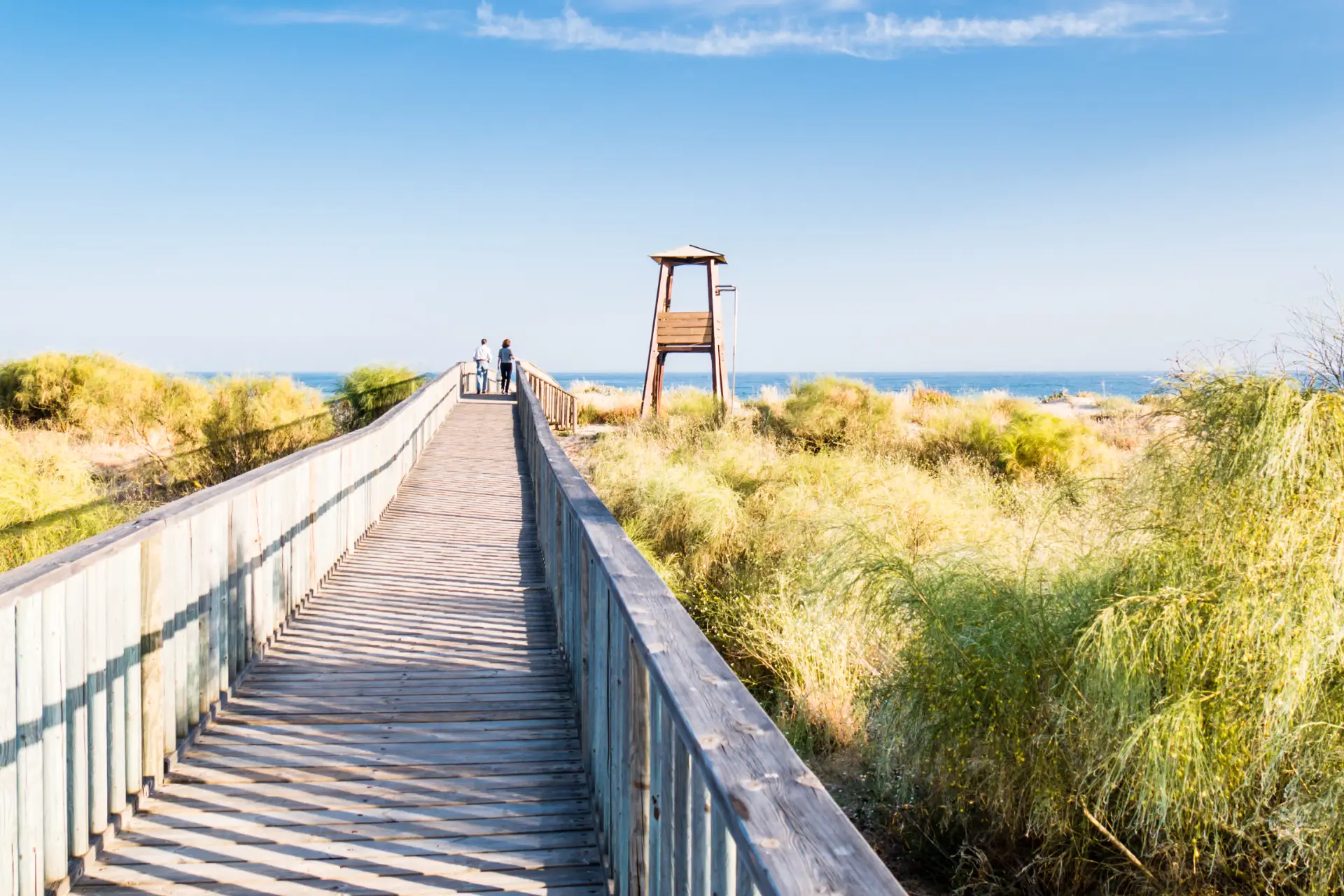
Most visitors to Andalusia orient themselves eastward and inward: Granada, Seville, the Costa del Sol. But face the other way — toward the Atlantic, into the light that gives this coast its name — and you find a version of southern Spain that is rawer, wilder and, for those who have discovered it, entirely unforgettable. The Costa de la Luz stretches from the wetlands of Doñana in the north to the Strait of Gibraltar in the south, tracing one of Europe’s most spectacular and least overrun coastlines. This is where TOMA & COE has long brought clients who want to understand Andalusia at its most elemental.
Sanlúcar de Barrameda: manzanilla, Magellan and the gateway to Doñana
Start in the north, where the Guadalquivir finally meets the sea. Sanlúcar de Barrameda is one of those Spanish towns that has done everything and forgotten more history than most cities will ever accumulate. Columbus departed from here on his third voyage. Magellan set out from Sanlúcar on the expedition that would become the first circumnavigation of the globe. Cervantes mentions it in Don Quixote. The Dukes of Medina Sidonia held their power base here for centuries.
Today, Sanlúcar is best known for two things: manzanilla and horses. The manzanilla — a fino sherry with a distinctively salty, sea-tinged character produced nowhere else in the world — owes its unique quality to the Atlantic breezes and the proximity of the Doñana marshes, which keep the flor (the layer of yeast that protects the wine) alive year-round. The bodegas of Barbadillo and Hidalgo offer tours and tastings, but the place to drink manzanilla properly is at the Bajo de Guía, the waterfront promenade lined with seafood restaurants, watching the sun go down over the national park on the far bank.
Read: Sherry – the most misunderstood wine in the world
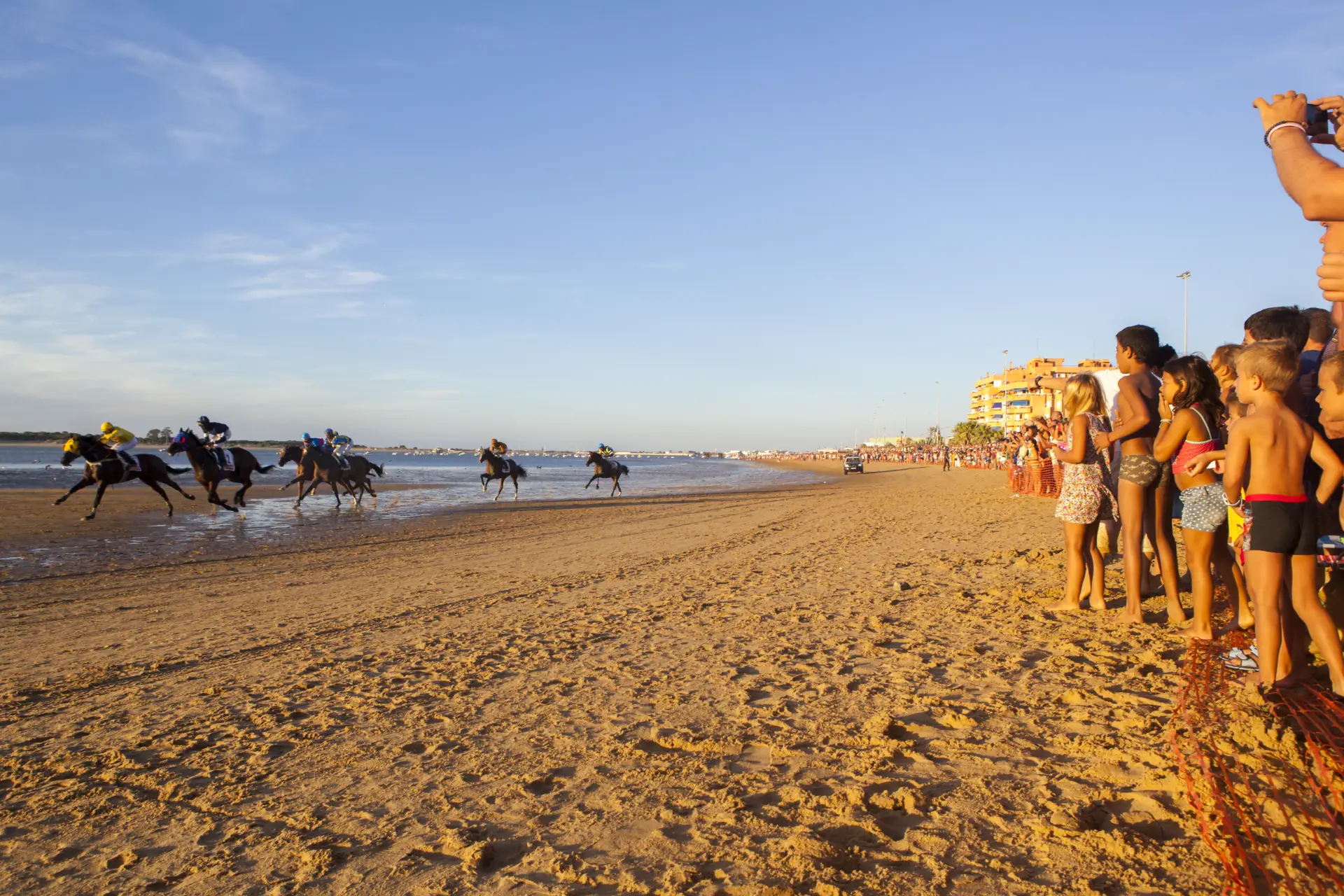
The horses are a Sanlúcar institution. Every August since 1845, thoroughbreds have raced along the beach at low tide, the Doñana dunes rising behind them, the town turned festival. It is one of the most spectacular and singular sporting events in Spain, quite unlike anything else on the Andalusian calendar.
And that far bank matters enormously. Doñana National Park — a UNESCO World Heritage Site and one of Europe’s largest ecological reserves — is accessible from Sanlúcar by a short boat crossing, a crossing that most visitors to Doñana from the Seville or Huelva side never make. From the Sanlúcar bank you enter the park at the point where the Guadalquivir opens into the Atlantic: flamingos, imperial eagles, lynx, wild horses and over 300 bird species in a landscape of shifting dunes, cork forest and wetland that has remained largely unchanged for centuries. El Rocío, the famous pilgrimage village on the park’s northern edge, is a world of its own — sandy streets, white horses, a Baroque hermitage — and a natural starting point for any journey south down the Costa de la Luz.
Conil de la Frontera and El Palmar: the coast in its purest form
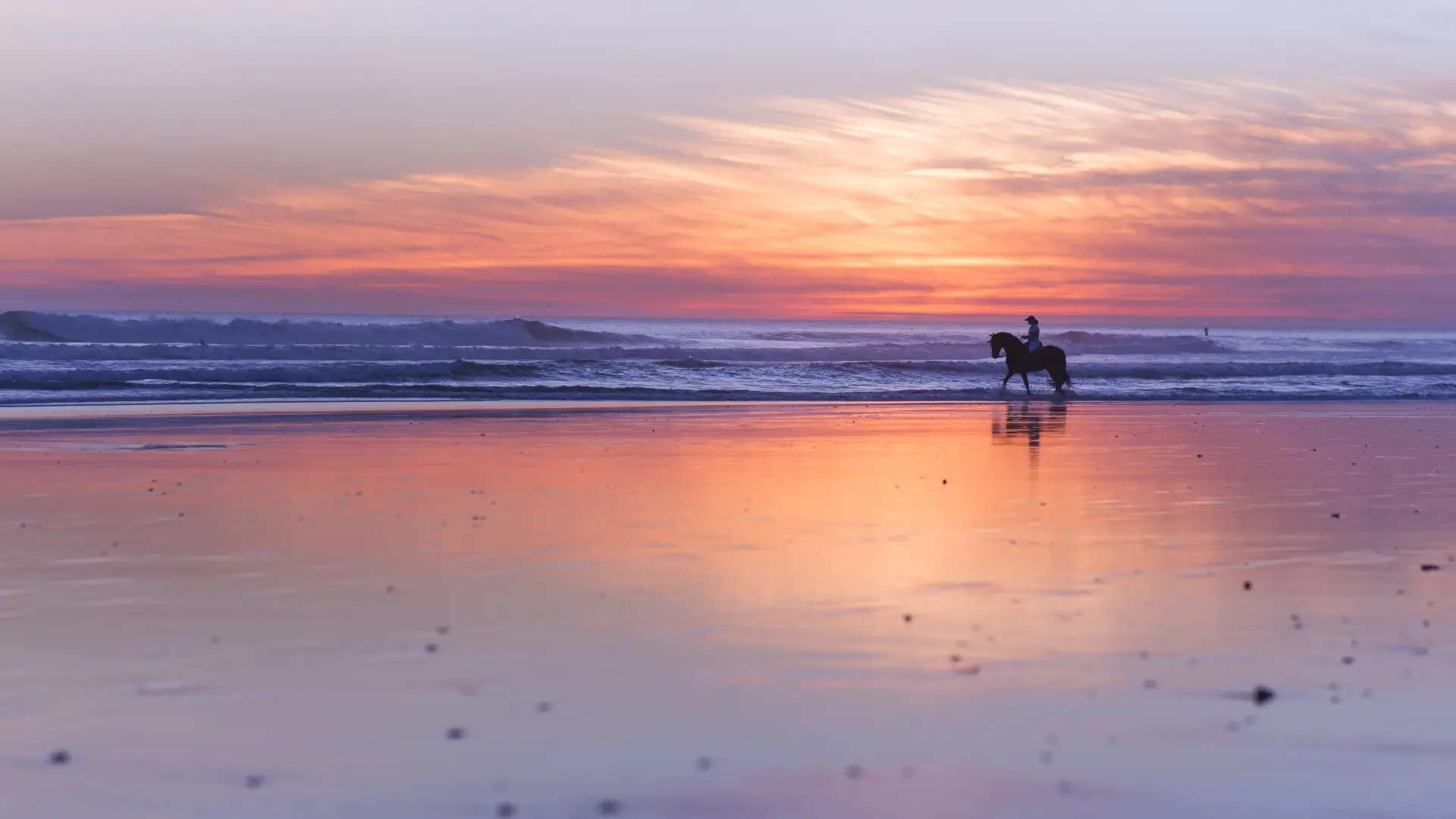
Heading south from Sanlúcar, the coast unfolds in a series of long, pale beaches backed by low dunes and umbrella pines. Conil de la Frontera — a whitewashed fishing town on a low cliff above a sweeping bay — has managed something rare: it has become popular without being ruined. The old town is genuinely pretty, the fish is outstanding and the beaches to the north and south of the headland remain, even in summer, the kind of places where you can find space and quiet.
El Palmar, a few kilometres further south, is simpler still: a long flat beach, a handful of surf schools and chiringuitos, and the kind of unhurried atmosphere that has made it a favourite with those who know the Costa de la Luz well. The waves here are consistent enough for surfing, the sunsets are Atlantic-scale, and the crowds that define Marbella or Nerja are, emphatically, elsewhere.
Vejer de la Frontera: the white town that earns every superlative
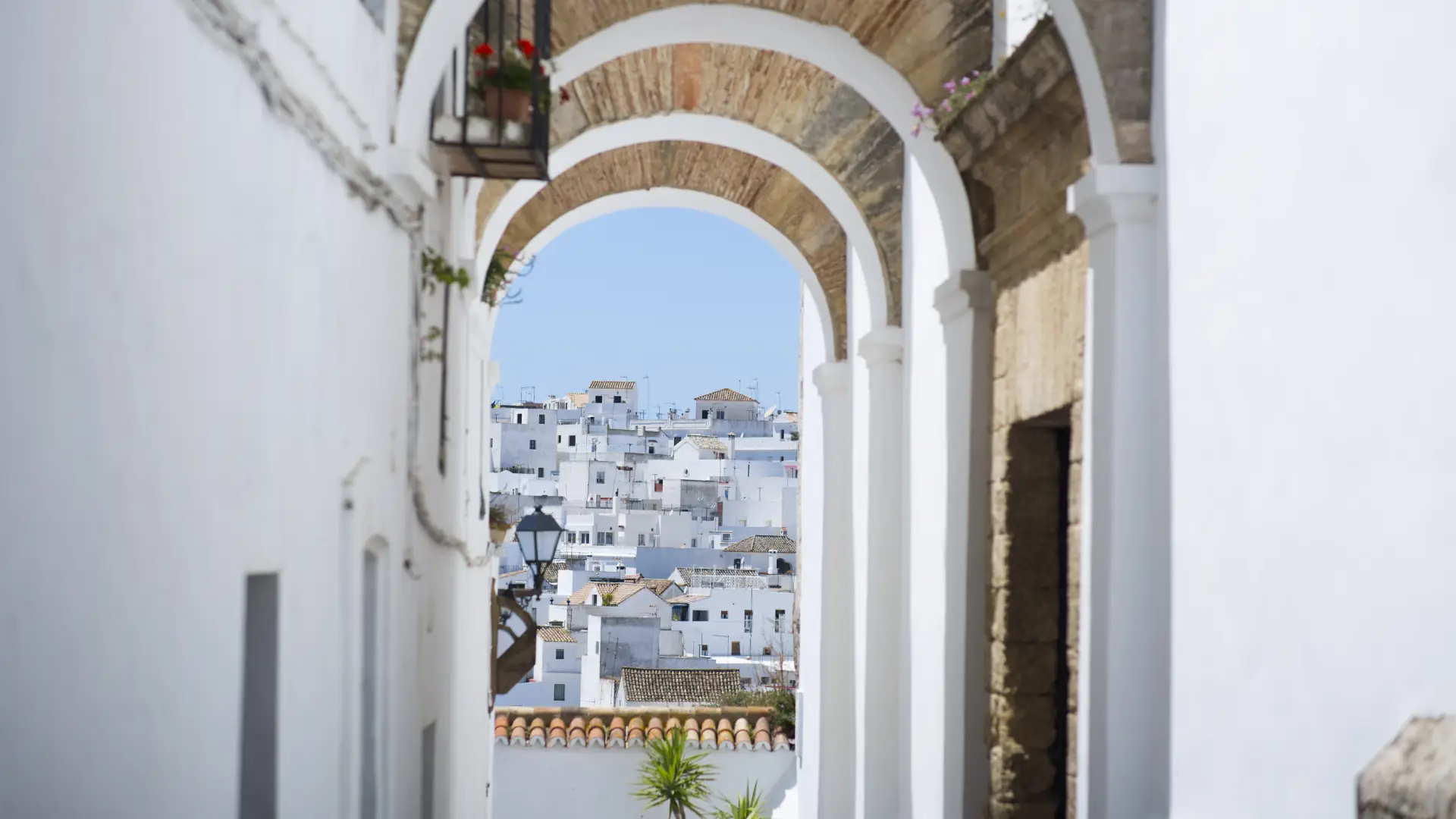
Inland from El Palmar, climbing above the coastal plain, sits Vejer de la Frontera: one of the most beautiful villages in Spain, which is a competitive field. Moorish in its architecture, labyrinthine in its layout, and panoramic in its views — on a clear day you can see across to Morocco from the higher terraces — Vejer operates at a pace of its own that visitors either find instantly seductive or entirely impossible to leave.
For those staying in the village, TOMA & COE recommends two exceptional hotels. La Casa del Califa, built across a complex of interconnected buildings dating from the 10th to the 16th centuries. It occupies the heart of the Plaza de España, and is one of the most characterful places to sleep in Andalusia. Every room is different, and the restaurant serves Moroccan and Middle Eastern cuisine that The Telegraph has previously cited as among the best in Europe. Furthermore, the rooftop bar looks out over the Sierra Retin and the Atlantic coast. It has been listed among the best hotels in the world, and the designation feels earned.
Boutique Hotel V, on Calle Rosario in the old town, offers a different register. Twelve rooms in a meticulously restored 16th-century manor house, blending original Moorish architecture with contemporary design. Portuguese antiques, a 13th-century aljibe (underground bath) that now serves as a spa, and the only panoramic terrace in Vejer — with views, on a clear day, all the way to Tangier. Both hotels have been firm TOMA & COE favourites for good reason.
Vejer is also home to one of the finest food experiences on the entire Costa de la Luz. Annie B, British-born and Vejer-based for decades, runs cooking holidays, day classes and culinary tours from her restored Andalusian patio house, Casa Alegre, in the heart of the old town. Her knowledge of the region’s food culture is encyclopaedic and her connections to local producers, bodegas and fishing communities run deep. A class with Annie B — making albondigas, arroz negro or the slow-cooked Moroccan-influenced dishes that reflect the coast’s cultural layering — is not a cookery demonstration: it is an introduction to the way this part of Andalusia eats, drinks and thinks about food.
Tarifa and Valdevaqueros: wind, waves and Dani García
The road south from Vejer runs toward Tarifa: the southernmost point of mainland Europe, where the Atlantic meets the Mediterranean, Africa is visible on clear days just fourteen kilometres across the Strait, and the wind — the Levante or the Poniente, depending on the season — is essentially a permanent resident. Tarifa has been the world capital of kitesurfing and windsurfing for decades, and the energy of the town reflects it: young, international, slightly wild, with some of the best street food and most relaxed nightlife on the Andalusian coast.
Just north of Tarifa, the Playa de Valdevaqueros is framed by one of the most dramatic natural features on the coast: a great mobile dune that shifts with the wind, backed by the pine forests of the Estrecho Natural Park. It is a beach that genuinely stops people. And since 2019 it has been the location of BiBo Beach House — the seasonal beach restaurant from Málaga-born, Michelin-pedigreed chef Dani García. Now in its sixth season, BiBo at Valdevaqueros is something distinctive: genuinely serious food (almadraba bluefin tuna, fritura andaluza, beautifully composed rice dishes, a raw bar) served at a chiringuito steps from the Atlantic, with the kite-filled sky as backdrop. The menu is international and inventive, the cocktails are excellent, and in July and August the beach sessions run into evening concerts on the chill-out terrace. It is, by any measure, one of the great places to eat on the Spanish coast.
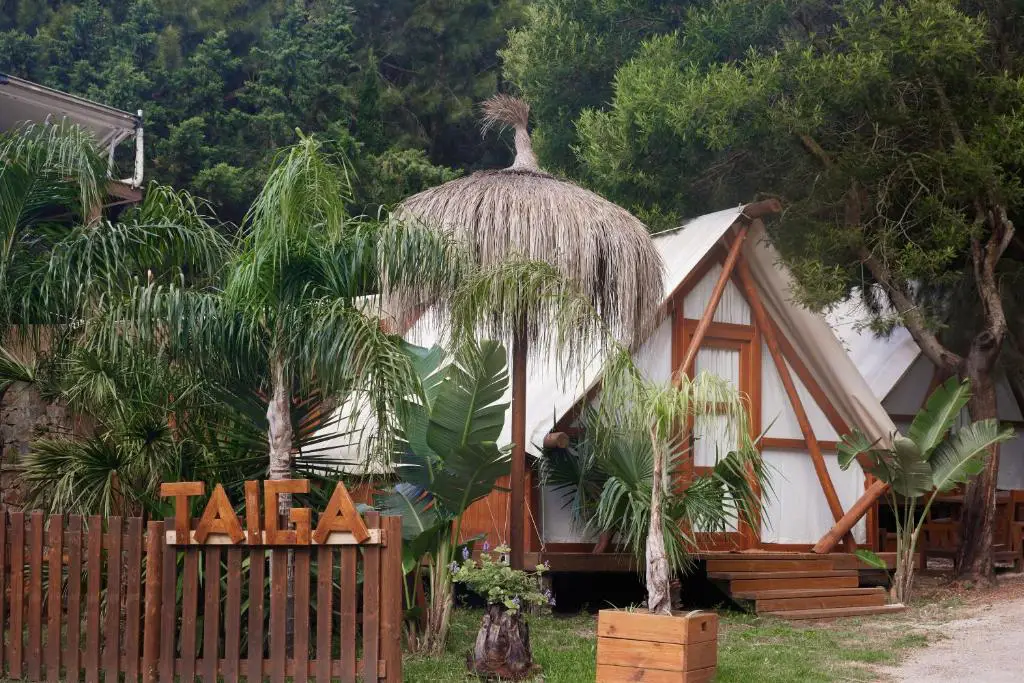
For those who want to sleep beside the dunes rather than simply dine there, glamping at Valdevaqueros has become a genuine option. Dunas Luxury Beach Resort, positioned a two-minute walk from the beach, offers Bedouin-style tents and bungalows with direct dune and beach access — a rare combination of comfort and genuine natural immersion. The TAIGA Tarifa resort offers a similar proposition with beautifully designed tent accommodations in the Estrecho Natural Park. Both are the answer to a question that visitors to this coast increasingly ask: how do you sleep somewhere that feels as extraordinary as the landscape around it?
The journey in full
TOMA & COE designs bespoke itineraries along the Costa de la Luz for private clients and small groups, combining the cultural and gastronomic depth of Vejer and Sanlúcar with the natural drama of Doñana, Valdevaqueros and the Strait of Gibraltar. This is not a coast that rewards a day trip. It rewards time: a week here, unhurried, moving between the sherry bodegas and the Atlantic beaches and the white villages, is one of the most genuinely restorative things you can do in Spain.
If you would like to talk through a Costa de la Luz itinerary, get in touch. We know this coastline well, and we know exactly where to take you.