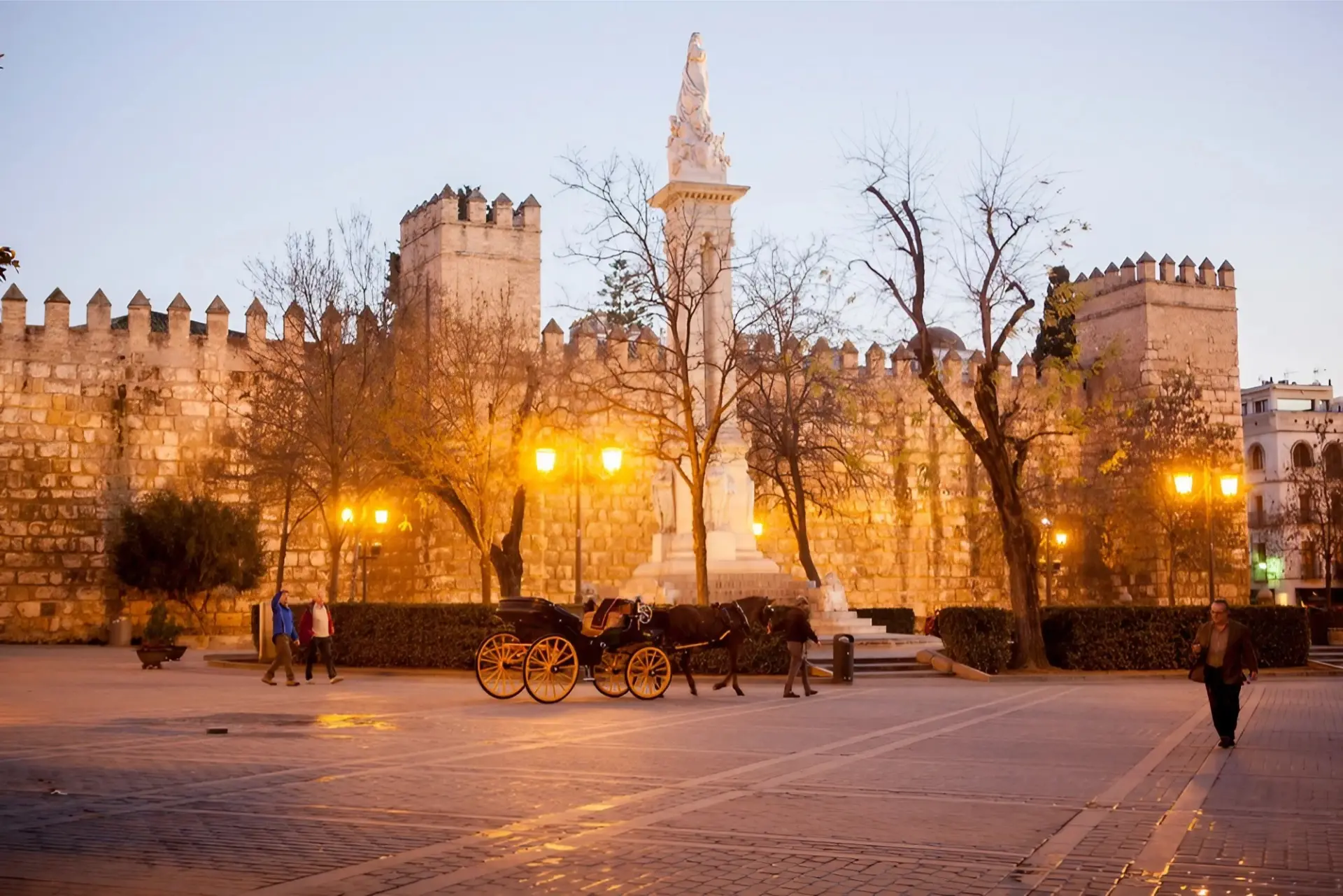
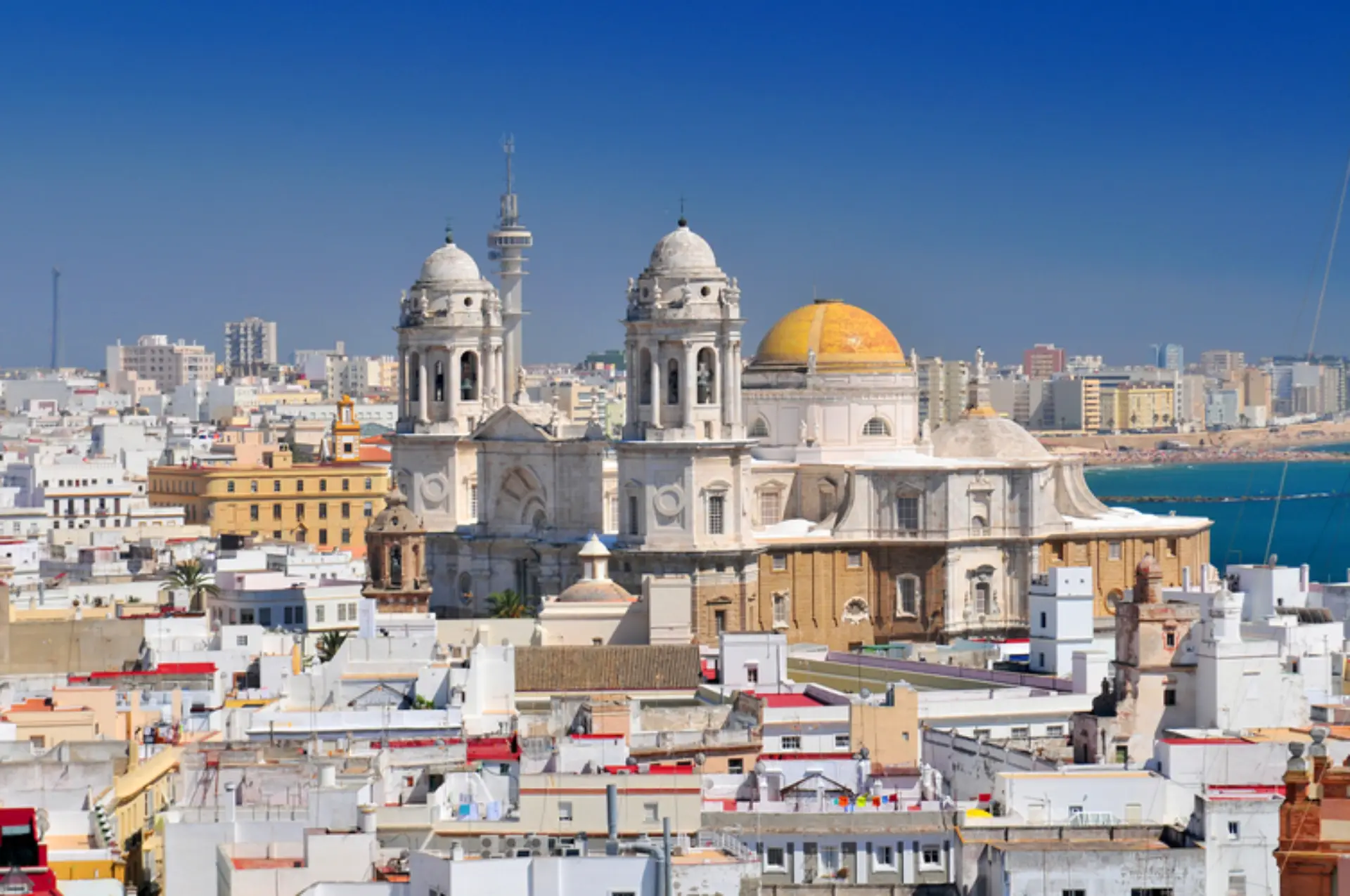
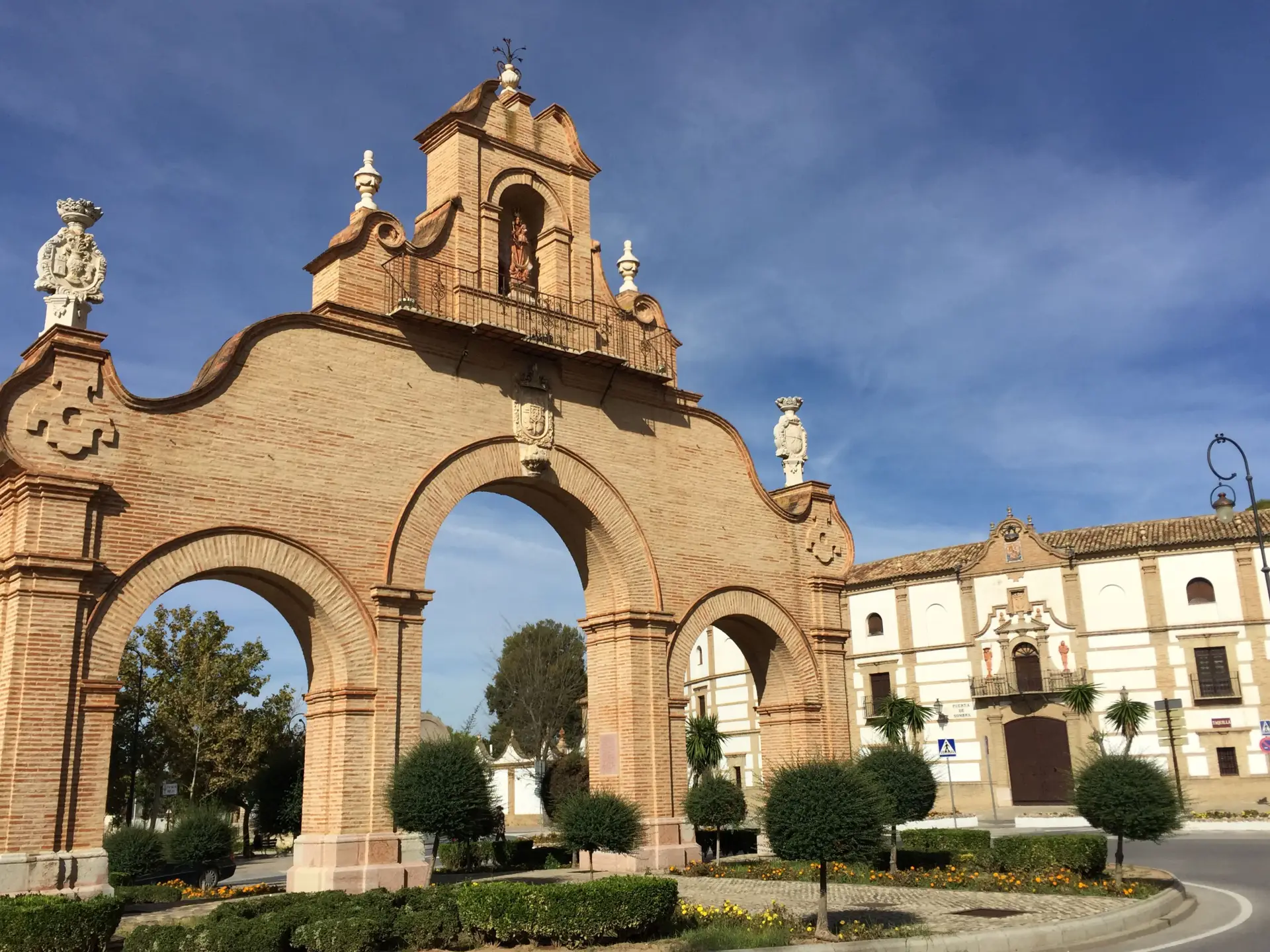
In a recent article for Forbes, journalist Alex Ledsom highlighted a fascinating cultural trend – “lit travel” is surging. Fewer travellers are seeking passive holidays or checking off standard tourist traps; they are choosing destinations to connect with deep narratives, local communities, and the landscapes that inspired their favourite books.
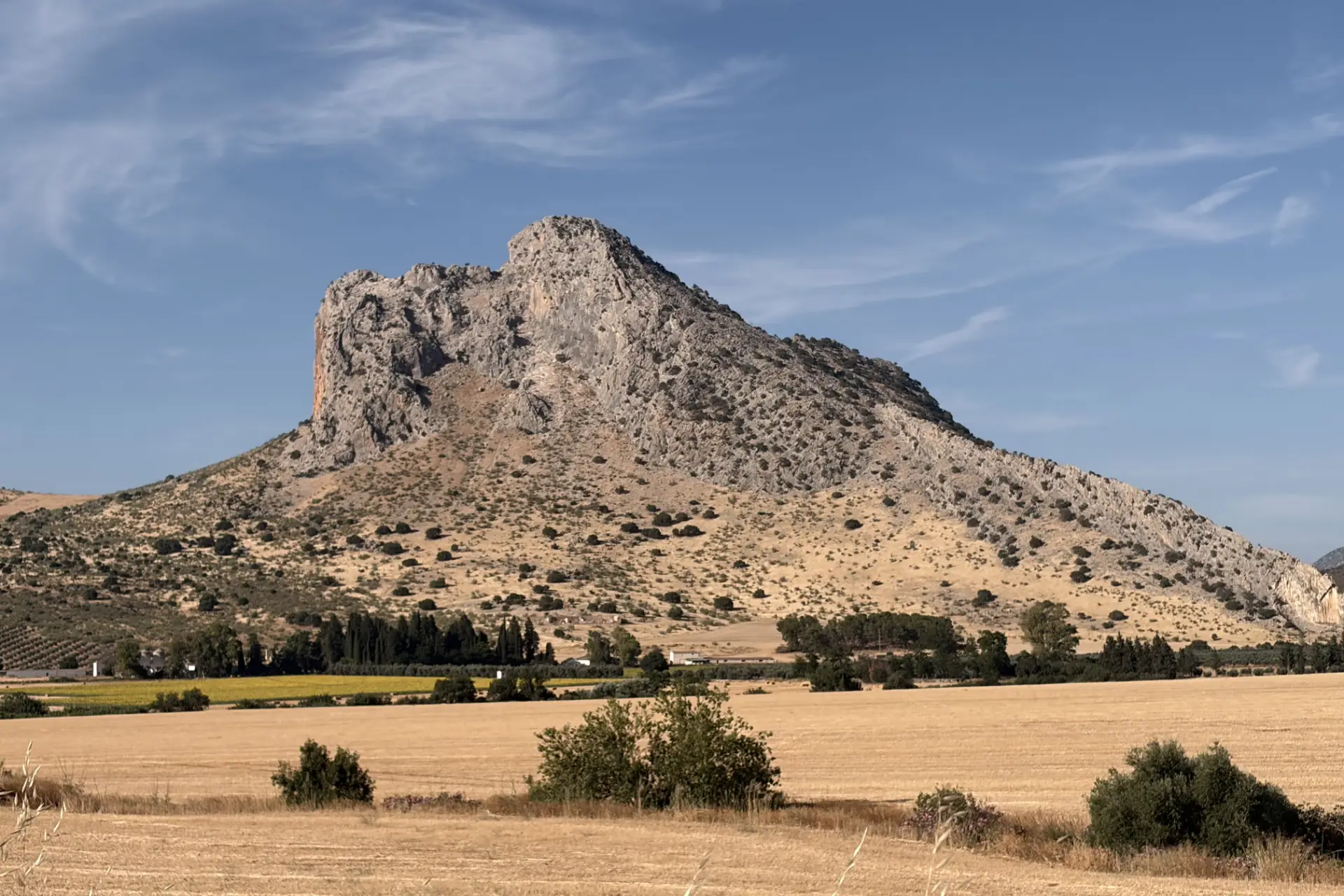
The soil of Andalucía is deeply saturated with storytelling. From the orange-scented courtyards of Seville to the rugged crags of the Alpujarras, southern Spain has long been a sanctuary for wordsmiths. It is a place where history isn’t just found in museums, but in the pages of books that capture its raw, poetic essence.
If you are looking to turn your reading list into a reality, exploring these specific authors and the landscapes they loved is the ultimate way to experience the south.
The modern chroniclers of southern Spain
To understand modern Andalucía, you need to read the stories of the locals, historians, and immigrants who fell under its spell. These contemporary voices offer a window into the grit, warmth, and magic of the region today.
Manni Coe | Little Ruins
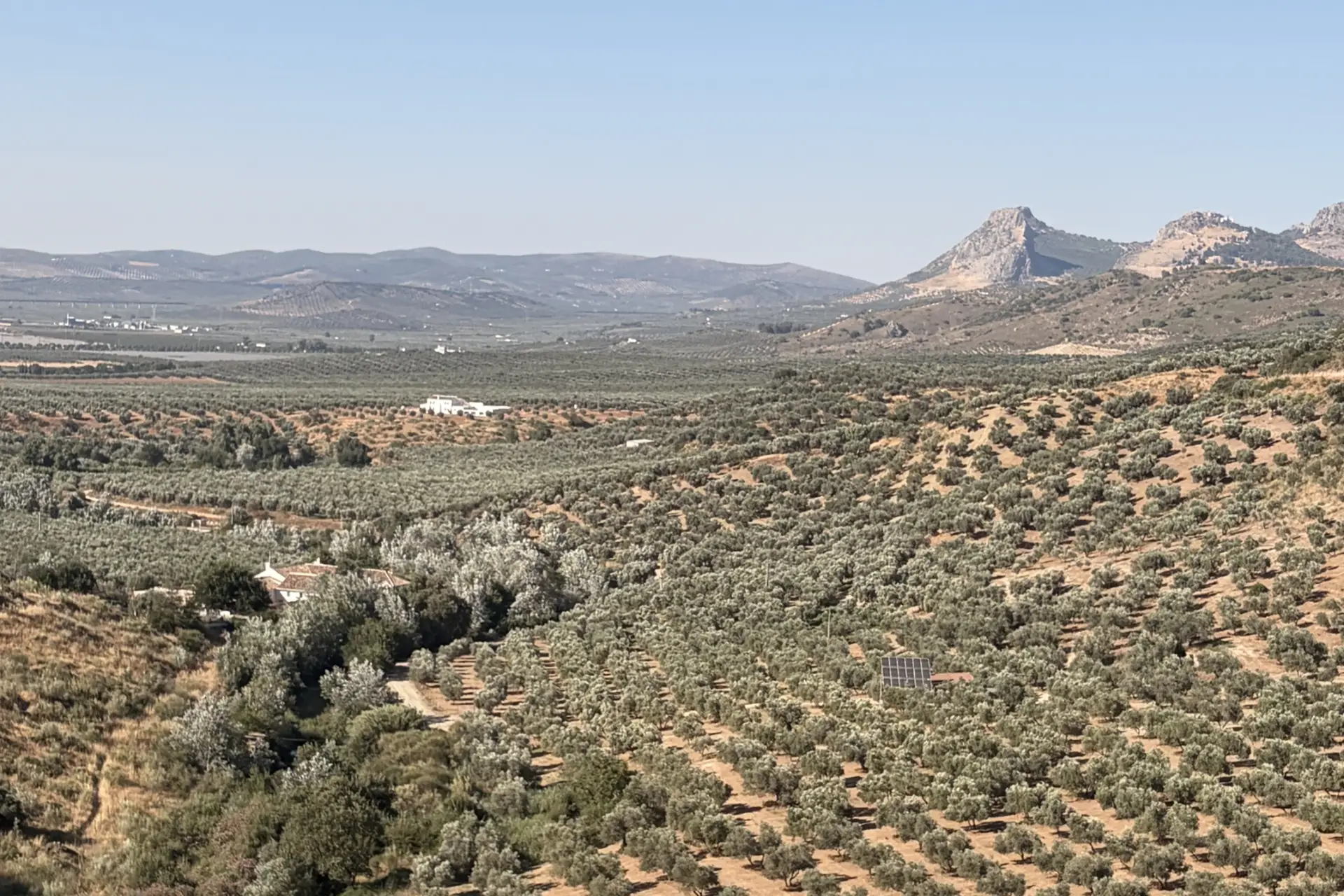
Written by TOMA & COE’s own founder, this deeply moving memoir explores brotherhood, memory, and the restorative power of the Andalucian landscape. This perspective lends an intimate, emotional weight to the historic towns and hidden valleys. It is a personal journey of healing and connection, viewing southern Spain’s ancient landscape and buildings not just as history, but as symbols of resilience and rebirth.
Chris Stewart | Driving over Lemons
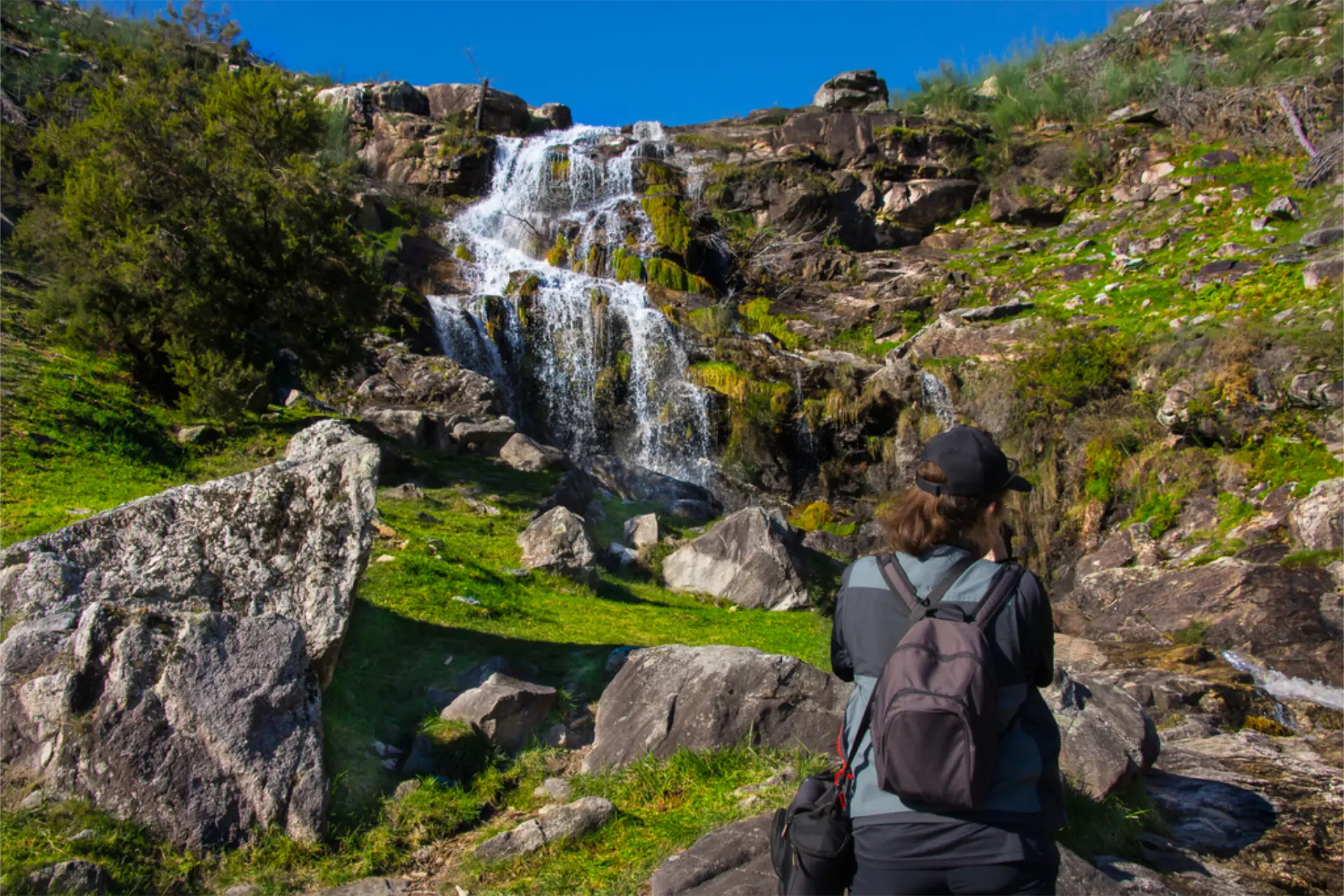
The quintessential tale of rural Andalucian life. Stewart (the original drummer for the rock band Genesis) moved to a remote, running-water-free farm called El Valero in the Alpujarra mountains, south of Granada. His hilarious, warm account of buying an isolated peasant farm perfectly captures the grit, warmth, and eccentricity of local culture. A journey through these high, terraced mountain valleys brings his pages to life, where the scent of wild rosemary, almond blossoms, and lemon orchards still fills the air.
Jason Webster | Historical Non-Fiction
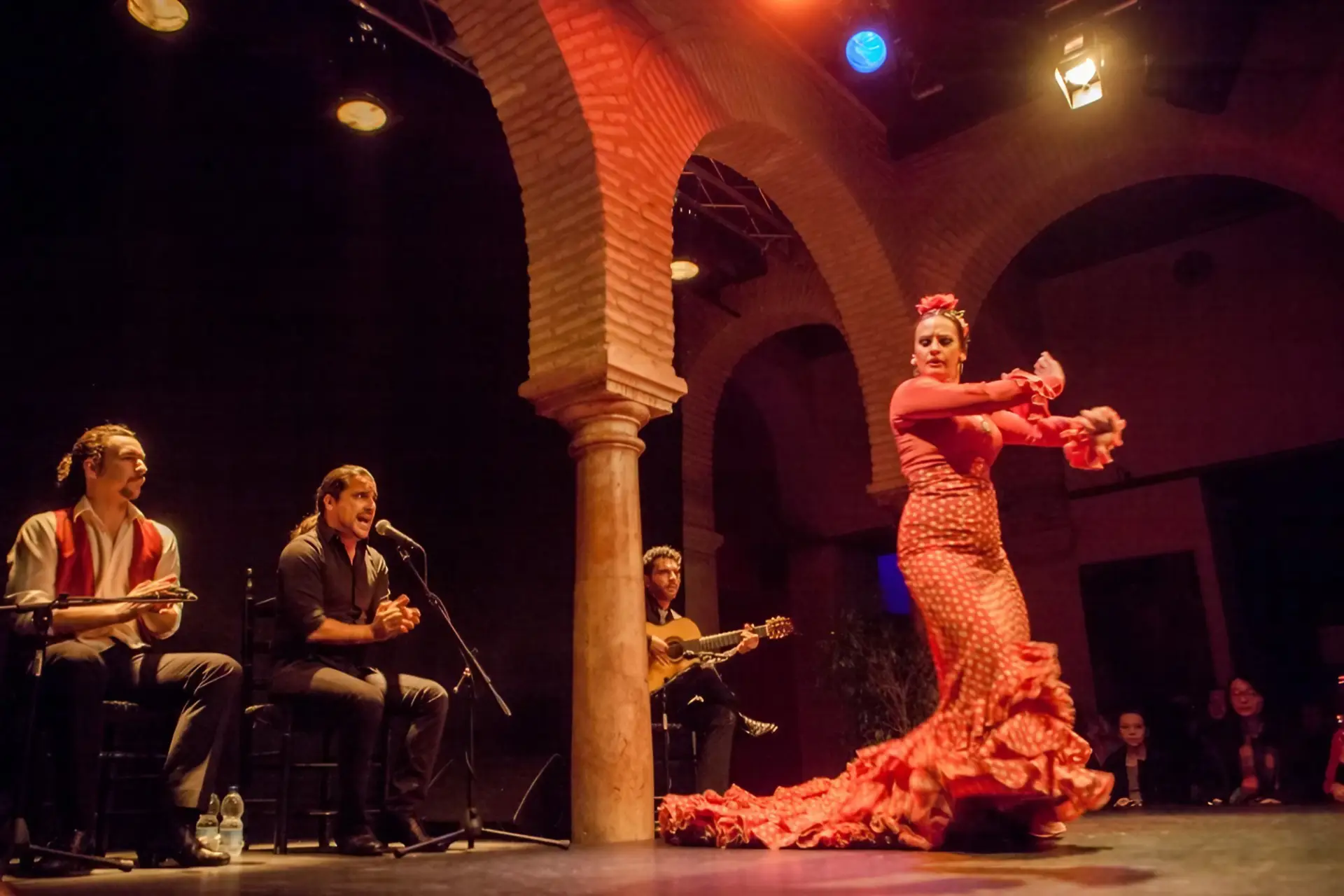
For those wanting to peel back the layers of Spain’s complex soul, Webster’s non-fiction works (such as Duende: A Journey into the Heart of Flamenco and Guerra!: Living in the Shadows of the Spanish Civil War) are essential. Rather than dry history, Webster captures the living, breathing essence of Spanish identity, mysticism, and historical trauma.
The Al-Andalus Experience with Jason Webster
TOMA & COE runs an exclusive multi-day tour: Al-Andalus: Moorish Spain with Jason Webster. Led by the historian and author himself, this journey takes you beneath the surface of Córdoba, Seville, and Granada.
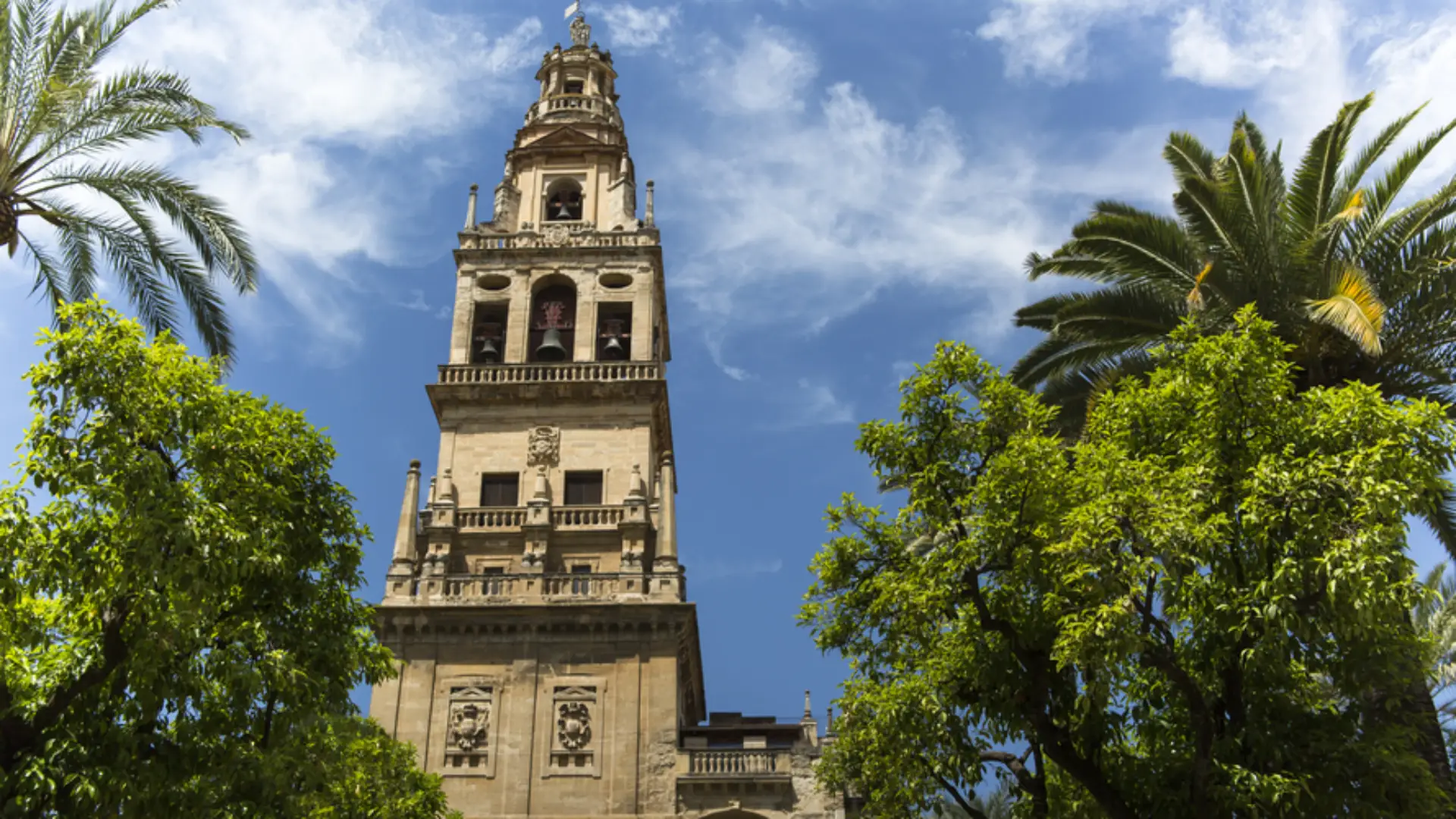
You will explore the shadows of the Mezquita and the Alhambra, unlocking the lost world of medieval Moorish Spain. Webster bridges the gap between past and present, showing how Islamic culture forever shaped European art, poetry, and philosophy.
Walking with the Ghosts of the Past
The modern surge in literary travel is built on a foundation laid by the giants of the 19th and 20th centuries: bohemians, exiles, and visionaries who found their muses in the Andalucian dust.
Federico García Lorca | Granada & The Vega
The beating heart of Andalucian poetry. To understand Lorca, one must visit Granada and the surrounding fertile plains of the Vega. Key literary landmarks include the Huerta de San Vicente, the García Lorca family’s summer residence where he wrote masterpieces like Gypsy Ballads and The House of Bernarda Alba.
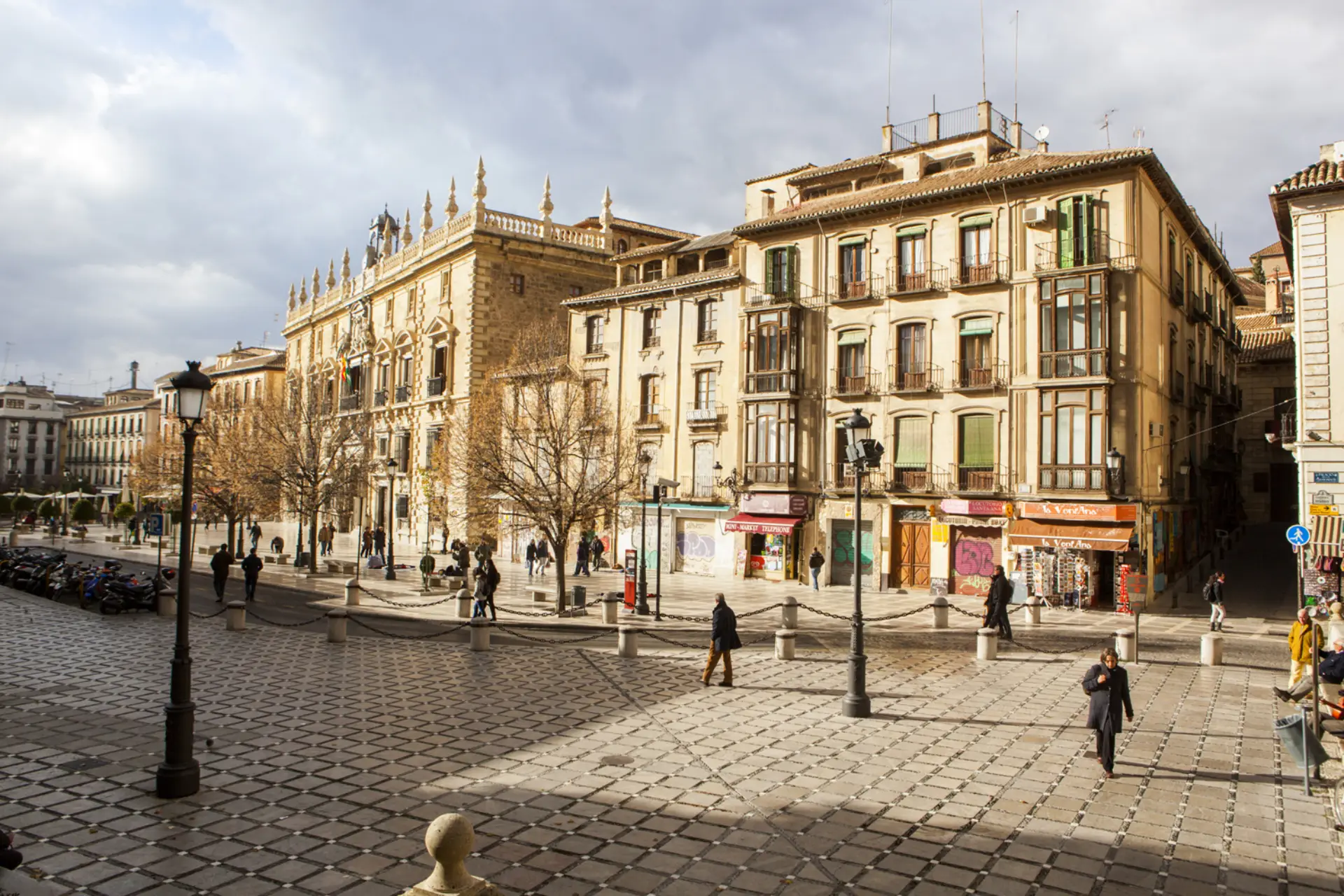
In the city centre, you can still find El Rinconcillo (now the restaurant Chikito), the historic café where Lorca gathered with composer Manuel de Falla and other intellectuals of the 1920s. Feeling the profound connection between his avant-garde verses and the beautiful city and landscape is an unforgettable, haunting experience. It was a landscape which Lorca captured but had little time to enjoy as his short life came to an end during the Civil War.
Ernest Hemingway | Ronda
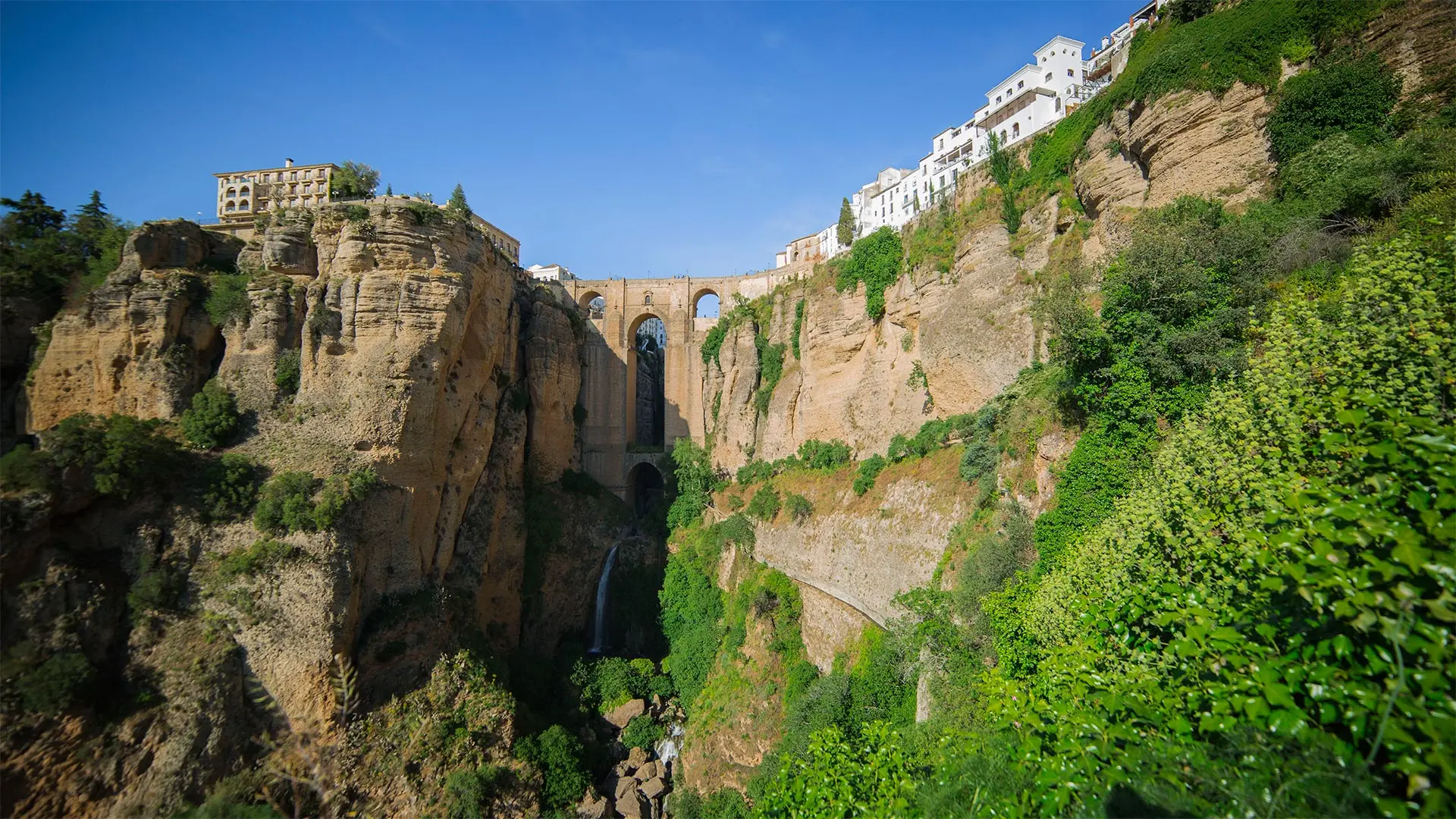
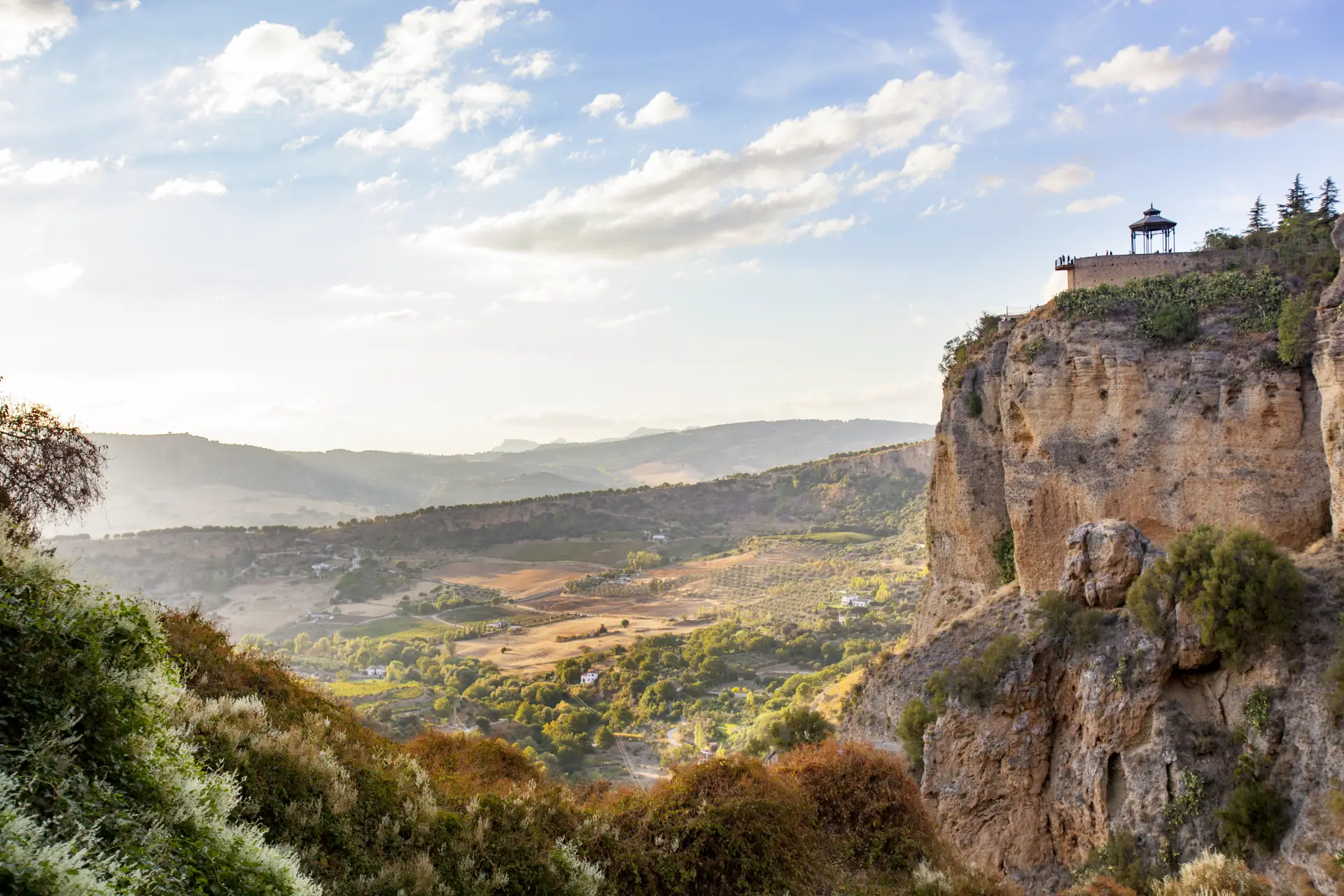
Hemingway’s obsession with Andalucía, and specifically the raw drama of the bullfight, is legendary. He spent extended periods in Ronda, a city dramatically split in two by the breathtaking, 100-meter-deep El Tajo gorge. Standing on the edge of this cliffside, it is easy to see how the intensity of the town made its way into For Whom the Bell Tolls and The Dangerous Summer. Hemingway famously noted that Ronda was the ultimate “romantic background” to an elopement or honeymoon.
Washington Irving | The Alhambra, Granada
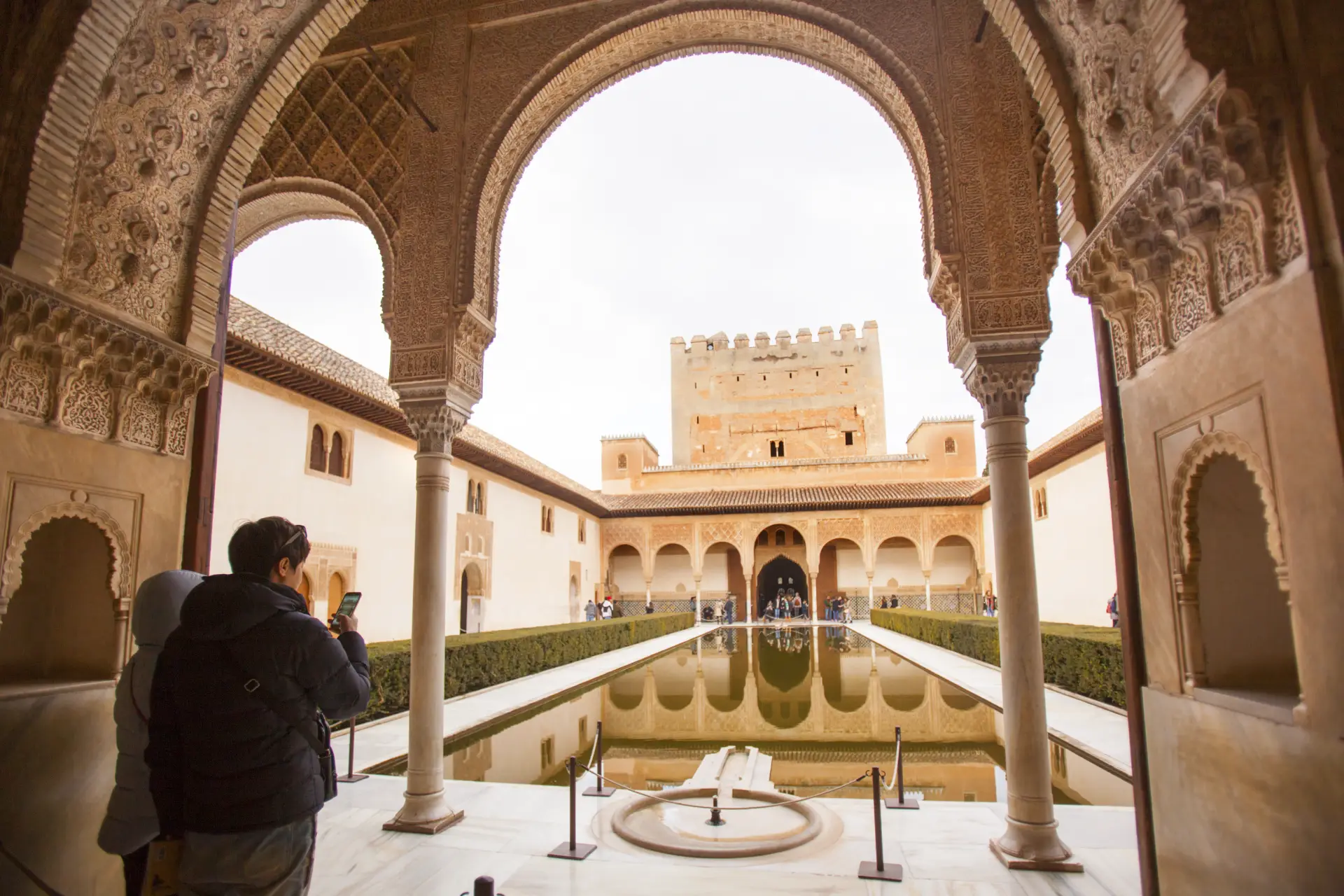
Before the Alhambra was a heavily protected UNESCO World Heritage site, it was a romantic, semi-abandoned ruin inhabited by thieves, fruit sellers, and eccentric locals. In 1829, American diplomat and author Washington Irving was granted permission to live inside the palace walls. Sleeping in the vacant rooms of the Nasrid kings and wandering the overgrown courtyards by moonlight, he gathered the local legends that became Tales of the Alhambra.
Irving’s colourful writings single-handedly reawakened international interest in Moorish Spain, effectively kickstarting the very concept of Andalucian tourism. Today, you can still trace his steps through the Court of the Lions and see the plaque marking the rooms where he penned his masterpiece.
Rainer Maria Rilke | Ronda
The Prague-born poet spent a transformative winter in Ronda from December 1912 to February 1913, calling it the “city of my dreams.” Suffering from a severe creative block and failing health, Rilke stayed at the historic Hotel Reina Victoria (built by British engineers in 1906).
From his room, looking out over the red earth, olive groves, and the snow-capped peaks of the Sierra de Grazalema, his inspiration returned. Today, his room at the hotel remains preserved as a mini-museum of “Rilkeana,” a pilgrimage site for travellers seeking their own creative awakening.
Gerald Brenan | Yegen & The Alpujarras
A core member of London’s intellectual Bloomsbury Group, Brenan escaped the rigid constraints of English society in 1919 to live in the remote, mountain village of Yegen. He packed his box-shaped, Berber-style house with thousands of books, creating an avant-garde oasis in an archaic, un-electrified Spanish hamlet.
His classic book, South from Granada, remains a brilliant ethnographic and literary depiction of rural Spain. His home drew famous visitors like Virginia Woolf, Lytton Strachey, and Bertrand Russell, who braved tortuous mule rides through deep ravines just to share a conversation with him in the mountain air.
Write your own Andalucian chapter
In the era of lit travel, Andalucía isn’t just a place you look at, but to truly unlock these locations, you need more than a guidebook. The bookish among you need an insider who knows how these stories intertwine with the roads, the people, and the hidden corners of the south.
Whether you want to join an expert-led journey like the Al-Andalus tour with Jason Webster or design a bespoke, tailor-made literary pilgrimage tracking the footsteps of Lorca, Hemingway, and Chris Stewart, let the local experts craft your perfect narrative.
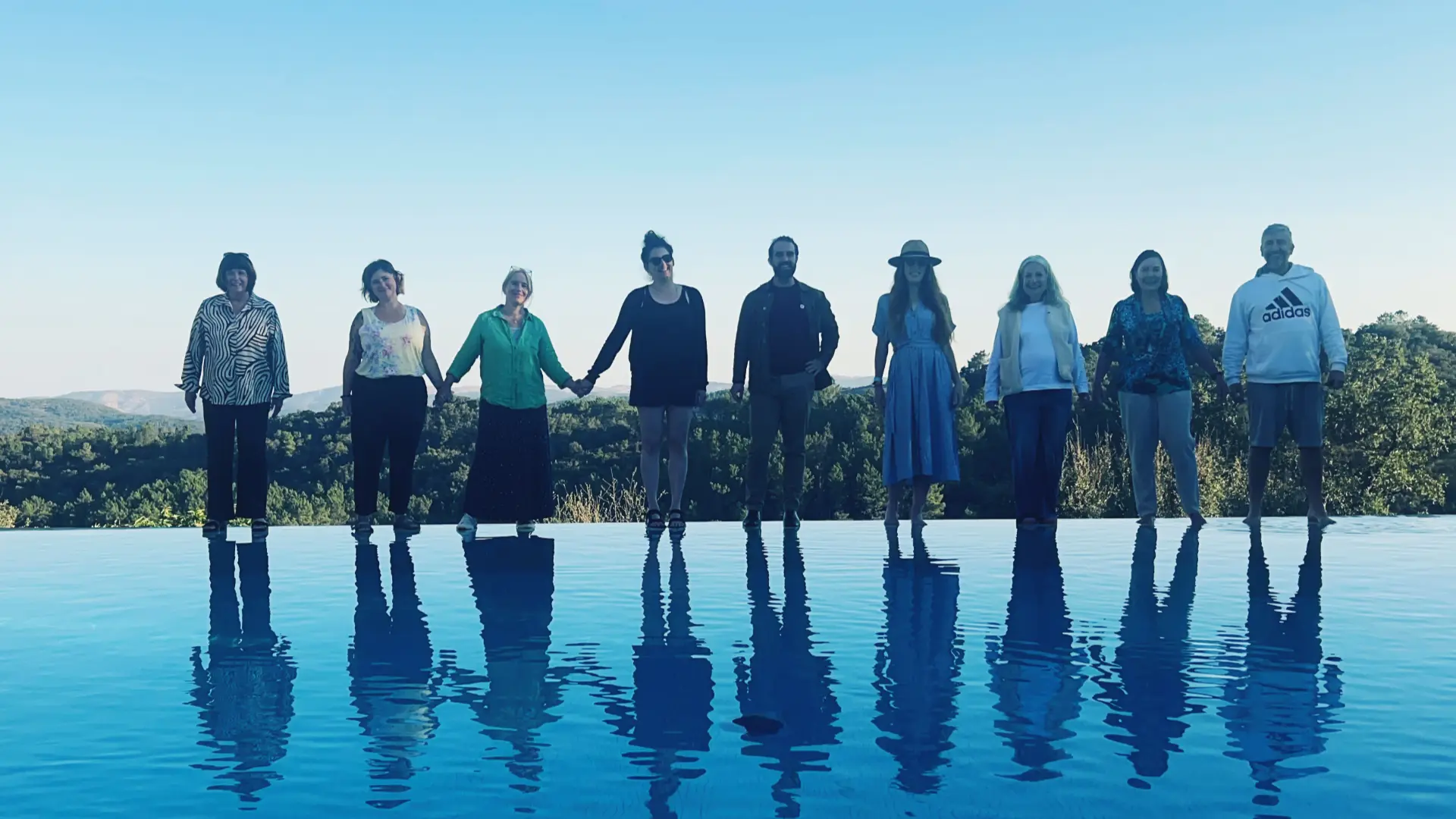
And if you really want to write your own chapter, join our autumn Andalucian Writer’s Retreat in the beautiful Sierra de Aracena.
Contact TOMA & COE today to connect with the team who knows this region inside out, and start designing your custom lit travel through Andalucia.
Ref: Forbes article