The Bienal de Flamenco runs in Seville from 9 September to 3 October 2026 — its 24th edition, and the largest yet: 72 performances, 52 new productions, 22 world premieres, 24 one-night-only events and 6 exclusive matinees, across 11 venues. It takes place only in even years, so you’ll have to wait for 2028 for the next one.
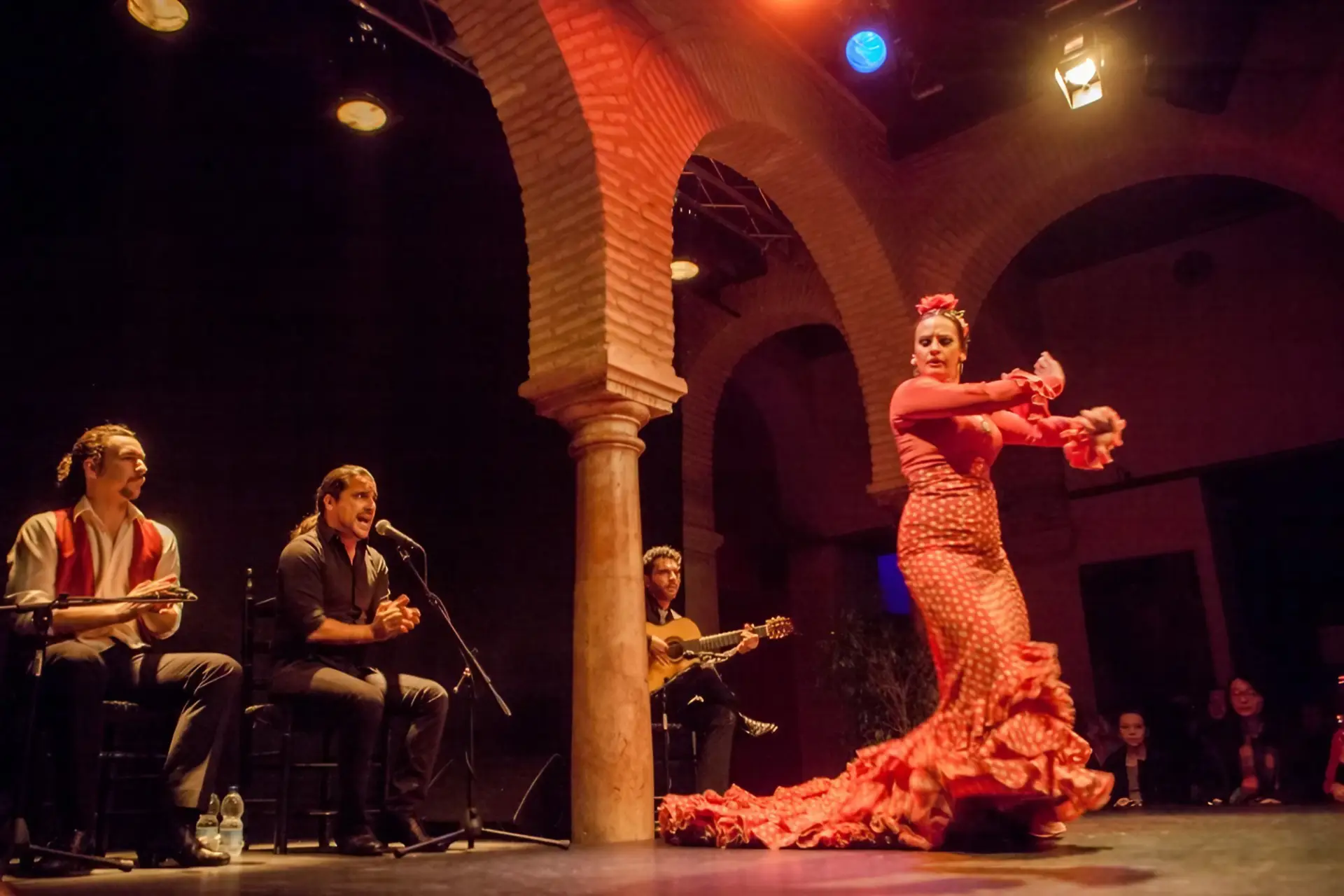
It’s the largest flamenco festival in the world, and the industry treats it as the central date on the calendar, not a tourist showcase. It draws the art form’s most significant living performers alongside younger names building a reputation.
This year’s edition marks the centenary of “Flamenco Opera,” the large-scale commercial flamenco shows, full troupes of dancers, singers and guitarists, that dominated the genre’s popular image from the mid-1920s to the early 1950s. The opening gala, El mundo por montera, staged at the Plaza de Toros de la Real Maestranza, is built around that anniversary, with a lineup including José Mercé, Martirio, Arcángel and the Ballet Flamenco de Andalucía.
Teatro de la Maestranza and Teatro Lope de Vega carry the biggest names and the highest ticket prices. Teatro Central, across the river on the Isla de la Cartuja, is where the more experimental and avant-garde work tends to land. The rest of the programme is split across Espacio Turina, the Real Alcázar, the Real Fábrica de Artillería in Triana, Teatro Alameda, Hotel Triana and the Church of San Luis de los Franceses.
Confirmed names across the 2026 programme include Sara Baras, Israel Galván, Manuel Liñán, Carmen Linares, Farruquito, Antonio Rey, Rafael Riqueni, Marina Heredia and Mayte Martín, performing everything from pure cante jondo to jazz and classical crossovers.
Where flamenco originates
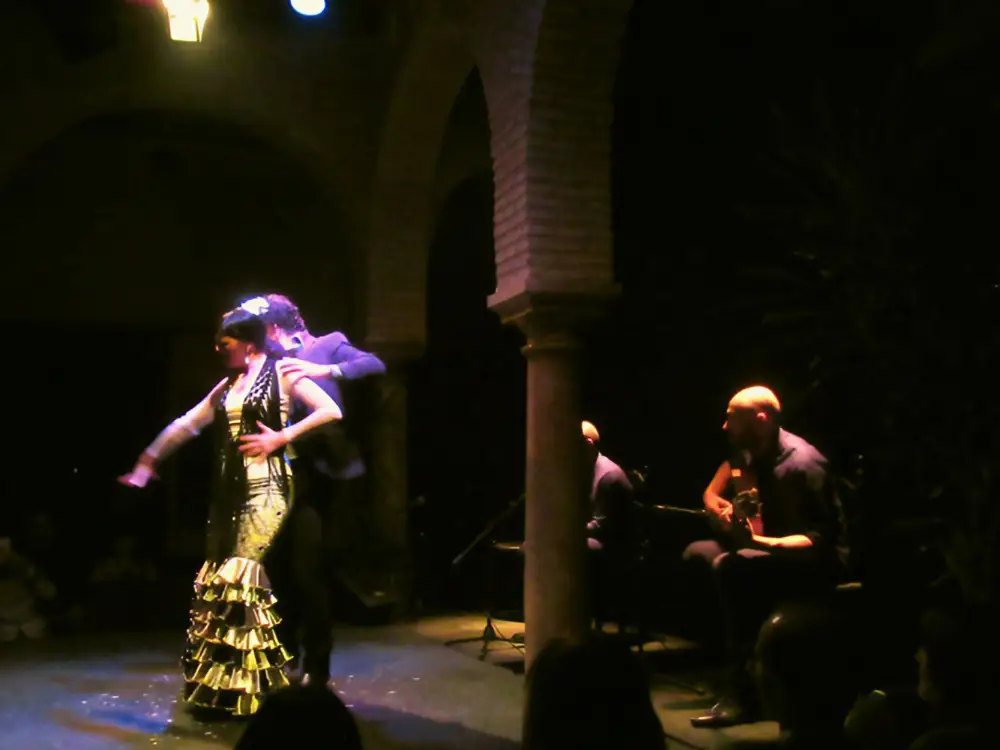
Historians disagree on the exact mix, but the broad outline holds. Flamenco developed in Andalusia out of the coexistence of Romani (Gitano), Morisco, Jewish and Andalusian populations, mainly around Jerez, Cádiz and Seville. The Romani people, who arrived in Spain from the 15th century onward, are usually credited with preserving and transmitting it, though the stronger scholarly view is a predominantly Morisco root, shaped further by 18th-century Andalusian cultural mixing.
For its first few centuries it stayed in family gatherings, work settings and private parties. That changed with the cafés cantantes, dedicated flamenco cafés that started opening in Seville around 1885 and spread from there across Andalusia and to Madrid. The period from roughly 1869 to 1910 is usually called flamenco’s golden age: singers, dancers and guitarists began performing together as an organised art form rather than an informal one, and cante jondo — the starkest, most serious style of flamenco singing — took the shape it still has.
The Spanish Civil War and its aftermath were hard on flamenco as a serious art form; it survived largely through the popular “Flamenco Opera” shows the Bienal is marking the centenary of this year. A renaissance followed from the 1950s, and later in the century Paco de Lucía and Camarón de la Isla pushed it into the fusion styles still around today. UNESCO listed flamenco as a Masterpiece of the Intangible Cultural Heritage of Humanity in 2010.
Triana, the neighbourhood across the river from central Seville, is often named as flamenco’s birthplace, which is part of why the Bienal schedules performances at the Real Fábrica de Artillería and Hotel Triana rather than keeping everything in the centre.
Visiting for the Festival
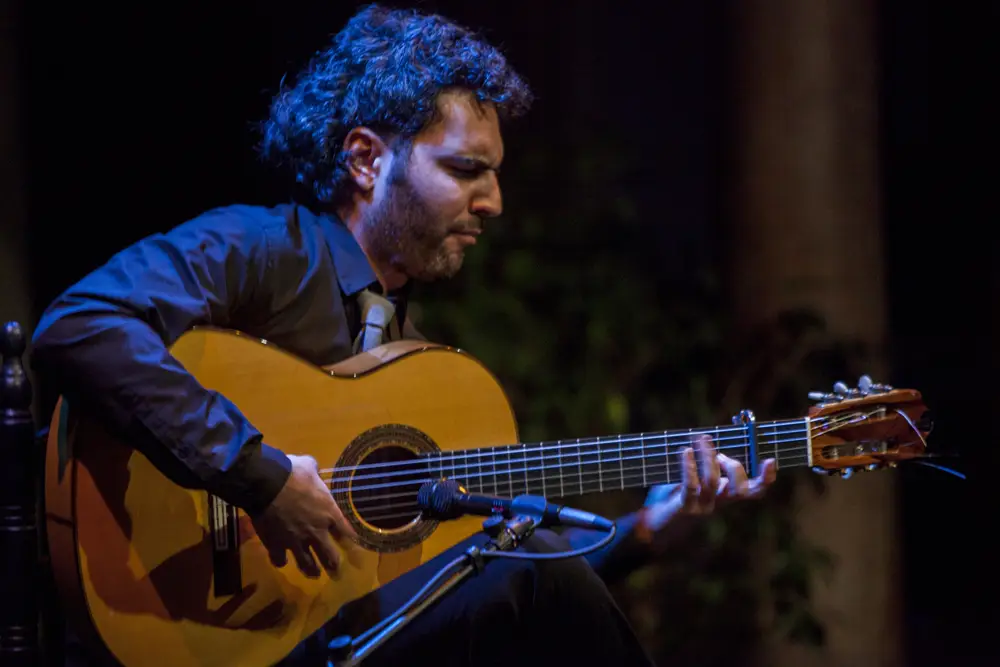
The free fringe programme — outdoor performances in the Alcázar gardens and around the historic centre, plus exhibitions, documentary screenings and open masterclasses — runs alongside the ticketed main programme. It doesn’t need the advance booking as the big theatre shows do.
Our Classic Andalucia Tour combines the history of Seville – as well as Granada and Córdoba – with an authentic flamenco show in Seville. And if you’re already booked in for Seville, then our Secrets of Seville guided tour will reveal hidden corners of this fascinating city.
Feel the Duende!