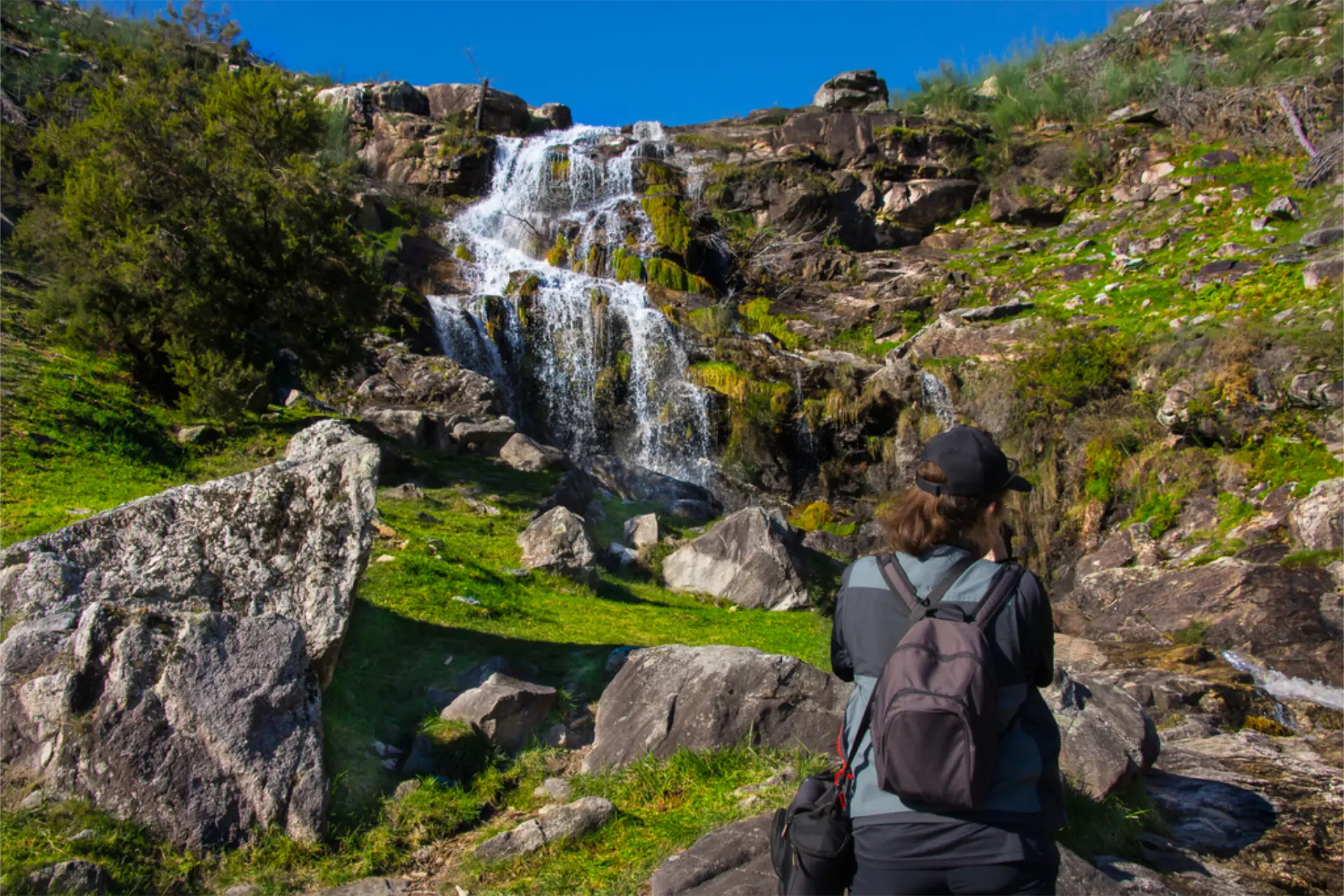
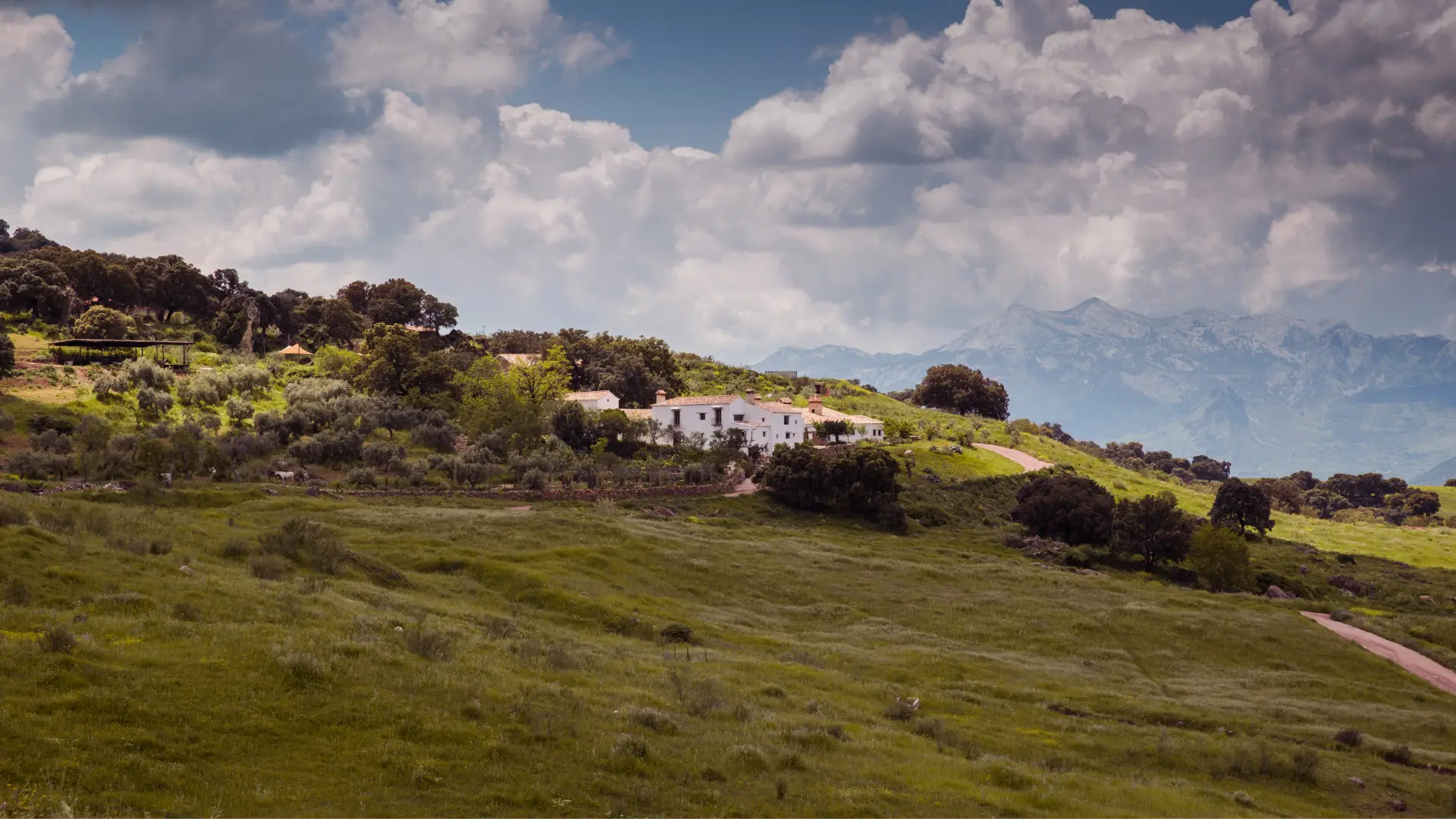
In October, Andalucia is back to her natural self. The hordes have dispersed, the summer heat has broken and the region’s landscapes – mountains, lakes, wetlands and hills – are no longer shrouded in haze. It’s the ideal time to plan a trip around birdwatching, cycling, walking and photography.
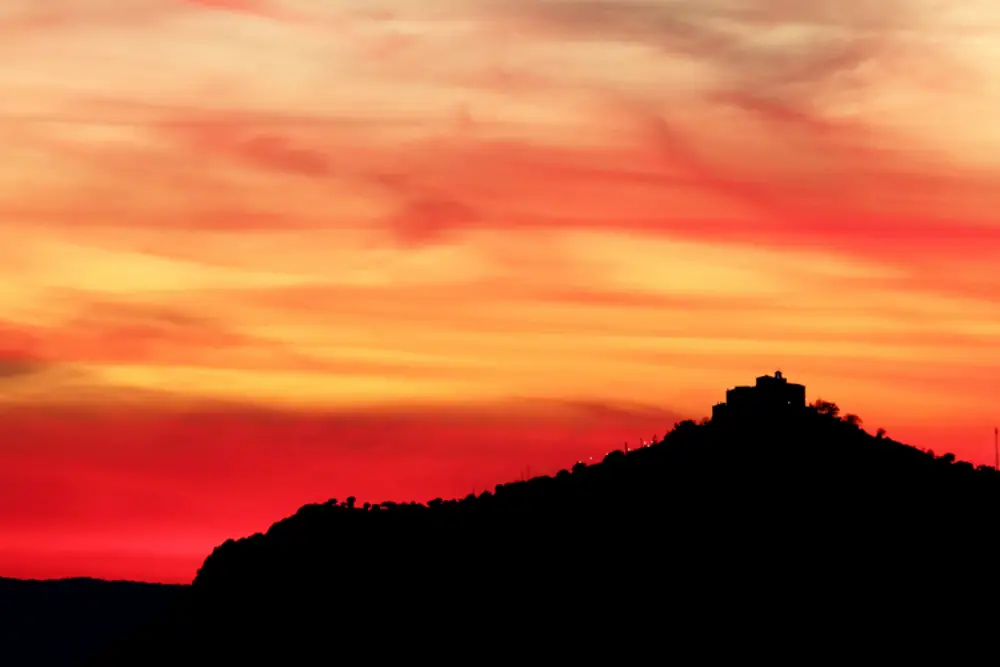
Average daytime temperatures in October sit in the low-to-mid twenties, a marked drop from the 35°C-plus heat of July and August. That makes it possible to walk, cycle, and explore during the middle of the day.
The change in temperature also affects the light. The heat haze that sits over the sierras from June onward clears by October, leaving sharper, longer sightlines and better contrast. It’s a great month for photography, particularly for anyone shooting the limestone ridgelines of the interior.
Following our feathered friends
![Flamingos in Fuente de Piedra, Malaga, Spain, by rjime31 - Flickr [1], CC BY-SA 2.0, https://commons.wikimedia.org/w/index.php?curid=6458701](https://tomaandcoe.com/wp-content/uploads/Flamencos_Fuente_de_Piedra.webp "October in Andalucia 2")
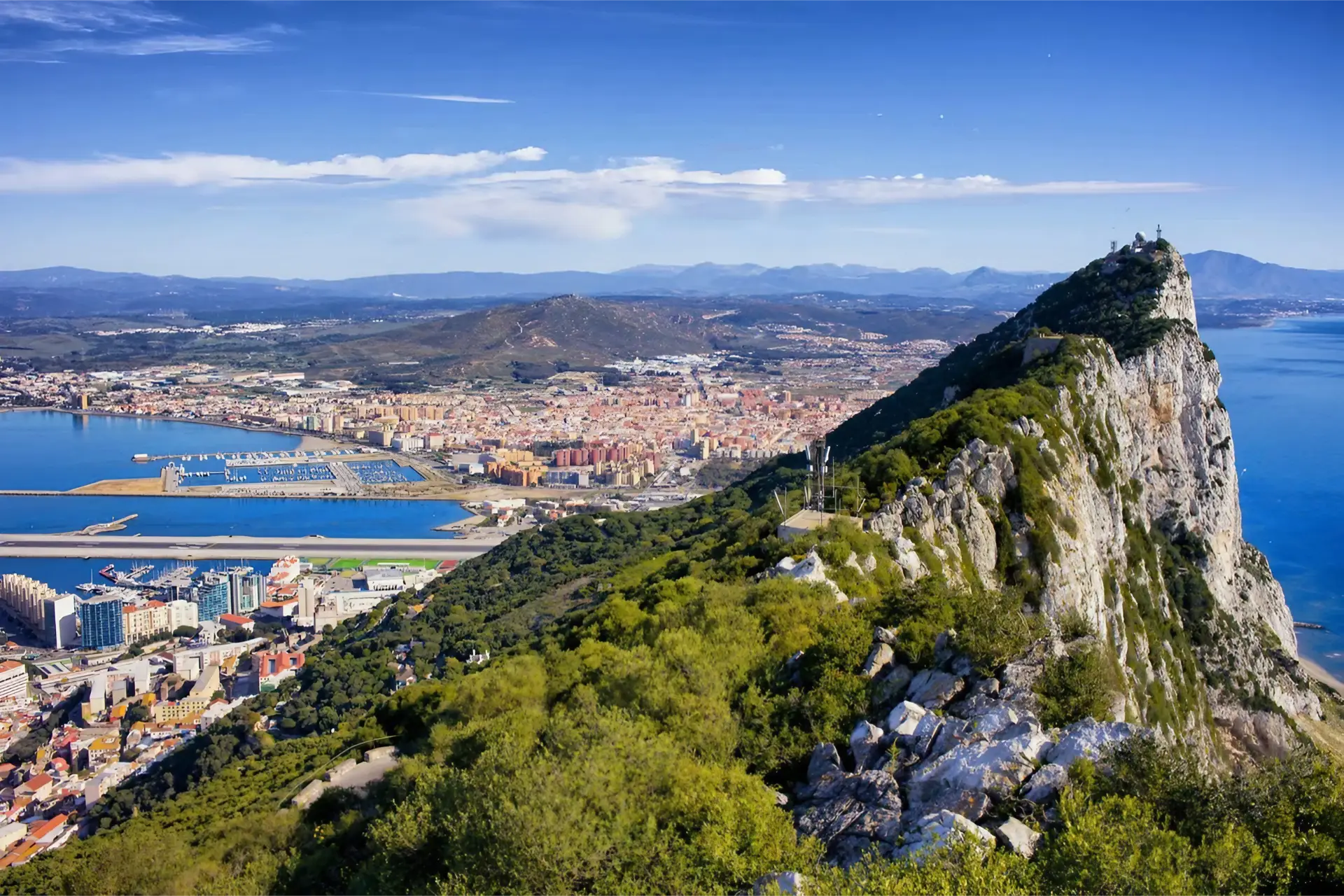
October sits at the tail end of one of the world’s great bird migrations. The Strait of Gibraltar is one of the narrowest crossing points between Europe and Africa, and every autumn hundreds of thousands of raptors and storks pass over it on their way south. The peak volume falls slightly earlier, in late August and September, but October still delivers strong numbers — black kites, booted and short-toed eagles, honey buzzards, and marsh harriers riding the thermals above Tarifa, alongside the last of the season’s white storks. Inland at La Janda, once one of Spain’s largest natural wetlands, the birdwatching is quieter and more varied, with herons, harriers and occasional sightings of the Spanish imperial eagle.
Migration isn’t the only draw, though. An hour north of Málaga, the Laguna de Fuente de Piedra is the largest natural lake on the Iberian Peninsula and home to the second-largest greater flamingo colony in Europe. While the breeding season is in spring, plenty of birds remain through autumn alongside avocets, black-winged stilts and red-crested pochards. Closer to the coast, the Guadalhorce estuary near Málaga city is a compact, easily accessible reserve where wading birds and the first wintering ducks begin arriving in October, and the wetlands around Cádiz Bay become one of the best places in Spain to watch waders settle in for winter.
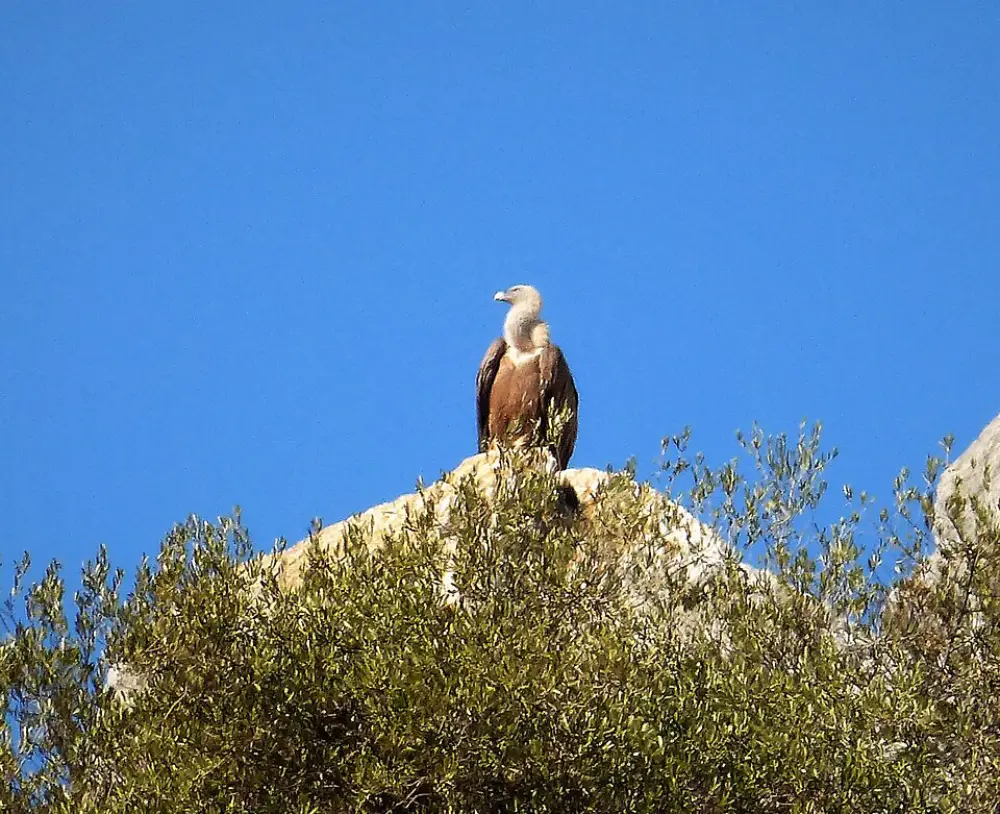
Inland, the sierras hold a strong resident population year-round: golden eagles and griffon vultures over the Sierras Subbéticas and Grazalema, azure-winged magpies in the cork oak woodland, and hoopoes and bee-eaters still present in the olive groves. For anyone interested in birdlife, October offers migration spectacle at the coast and steady, reliable sightings inland.
Cycling and walking the Vía Verde de la Subbética
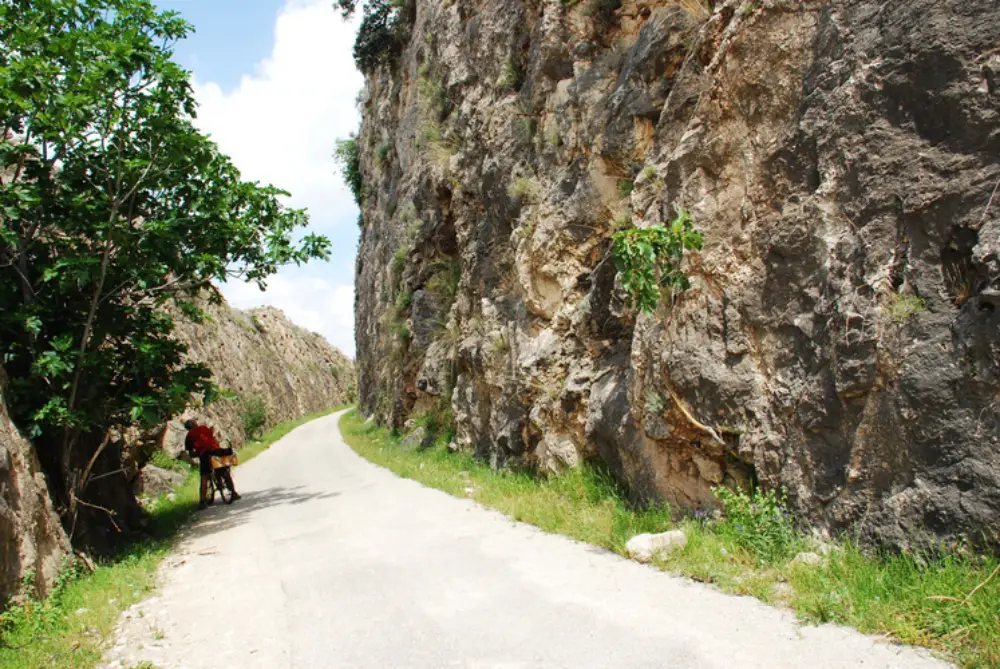
For more active days out, the Vía Verde de la Subbética in Córdoba province is well suited to October’s cooler mornings. The route follows a disused railway line — the old “Tren del Aceite,” or Oil Train — for 58 kilometres through olive groves, limestone hills and a string of whitewashed villages: Zuheros, Doña Mencía, Cabra and Luque. The gradient is gentle throughout, making it accessible to families and casual cyclists as well as more serious riders. The route passes through restored viaducts and a converted tunnel, with several of the old stations now operating as cafés and rest stops.
The full route suits a relaxed weekend, while for something shorter, the stretch between Doña Mencía and Luque is an easy 11km there-and-back. Because the route runs through the Sierras Subbéticas Natural Park, it’s also a good place to see the birdlife described above — griffon vultures are a common sight overhead. Bikes can be hired locally in Zuheros and Doña Mencía for anyone travelling without their own.
Other ways to spend October
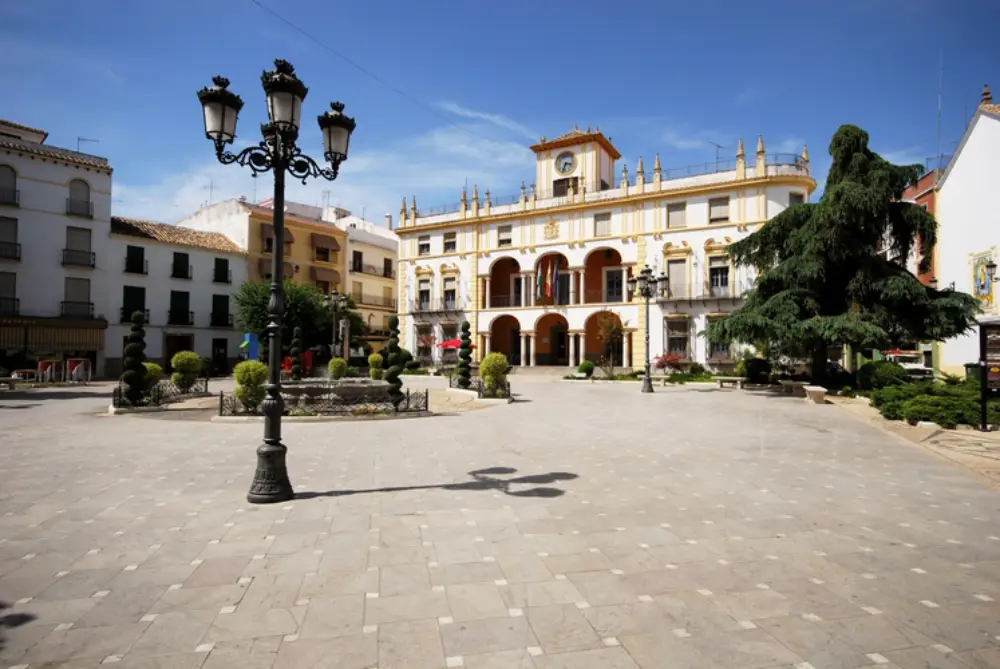
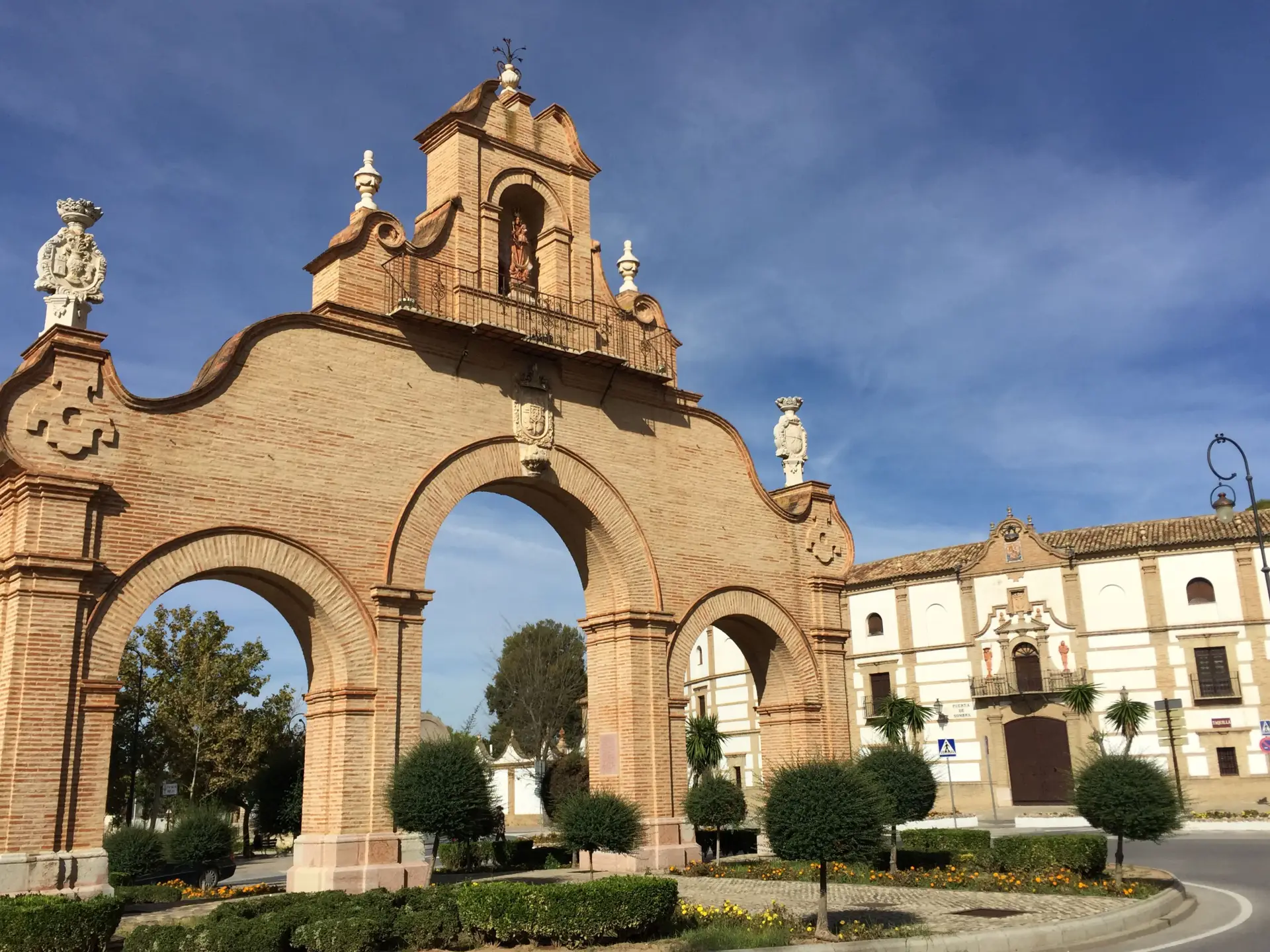
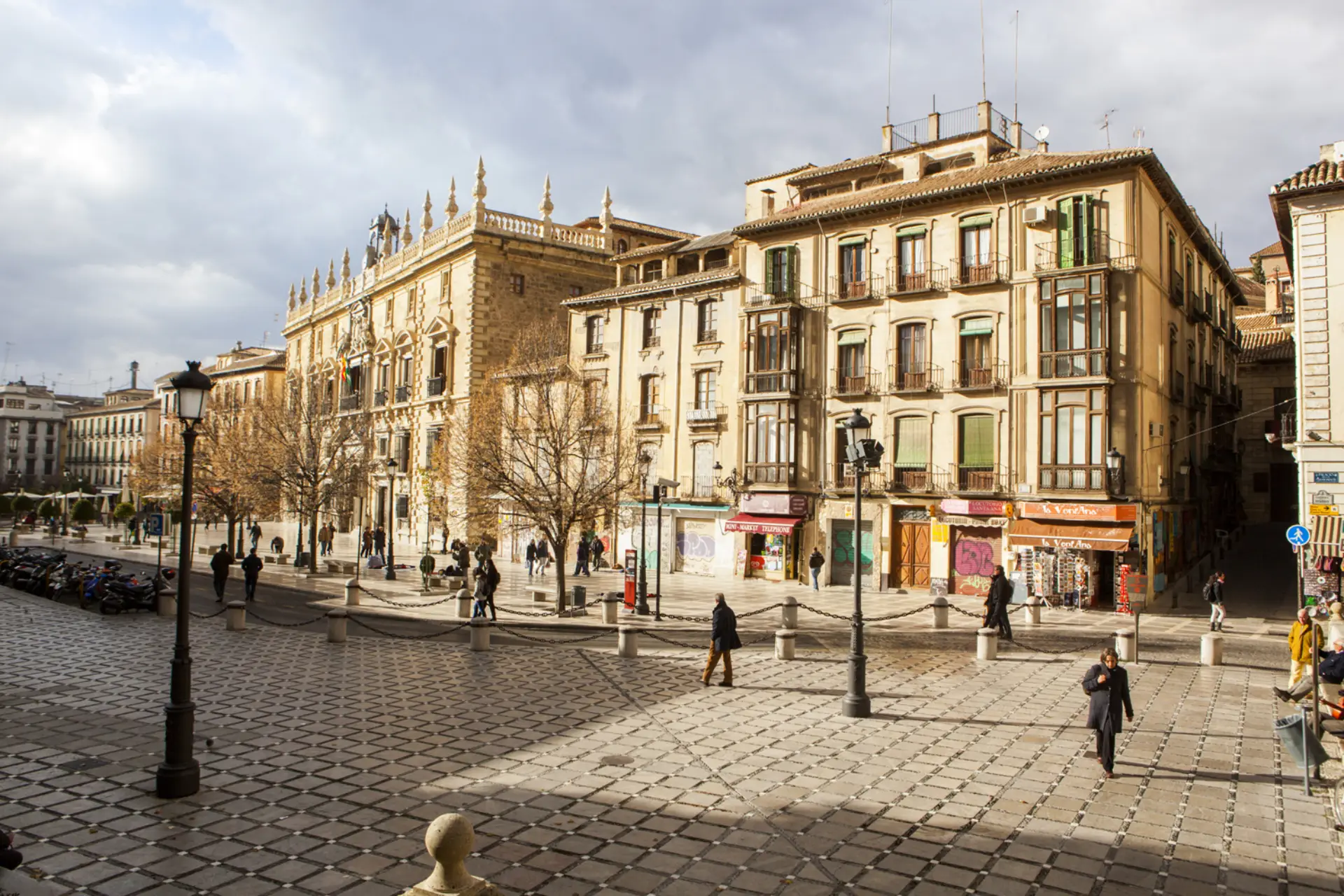
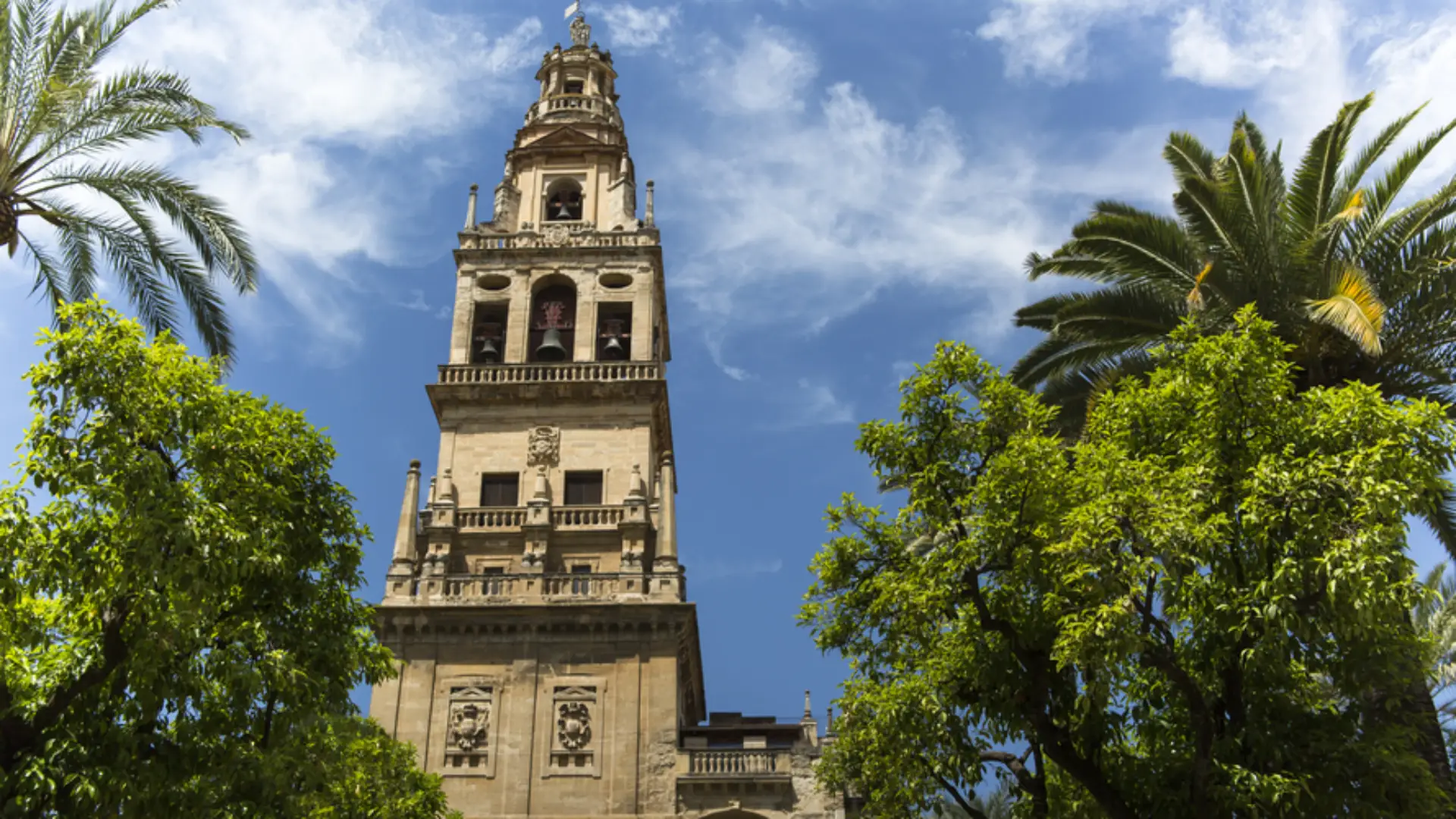
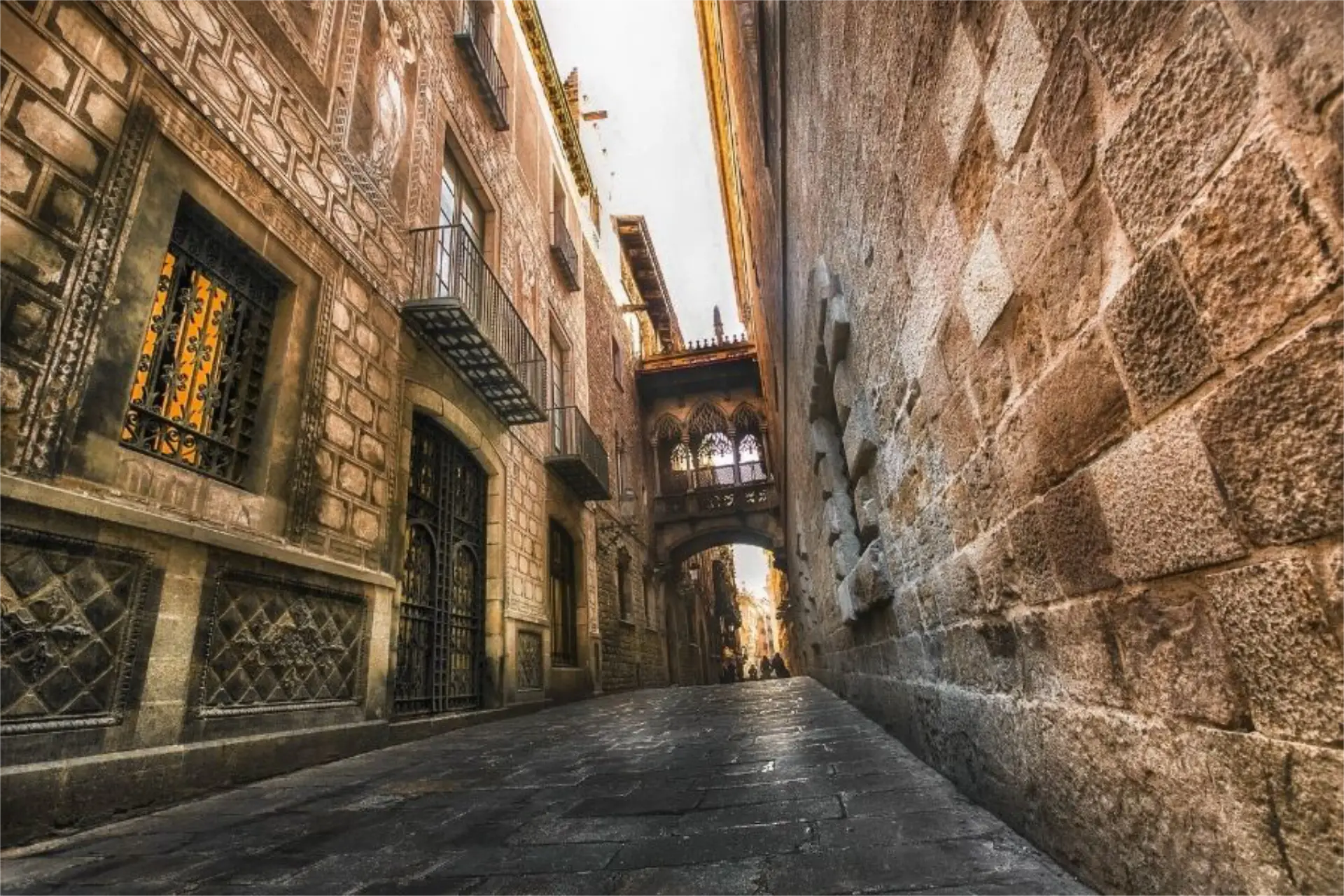
- Village exploring — Priego de Córdoba, Zuheros, and the wider pueblos blancos of the Subbética reward a few hours on foot with no fixed plan.
Read: 8 beautiful villages in Andalucia
- Wine and olive oil tastings — the harvest is approaching, and bodegas and almazaras across the region have more time for visitors before it starts
Discover our Olive Farm Experience
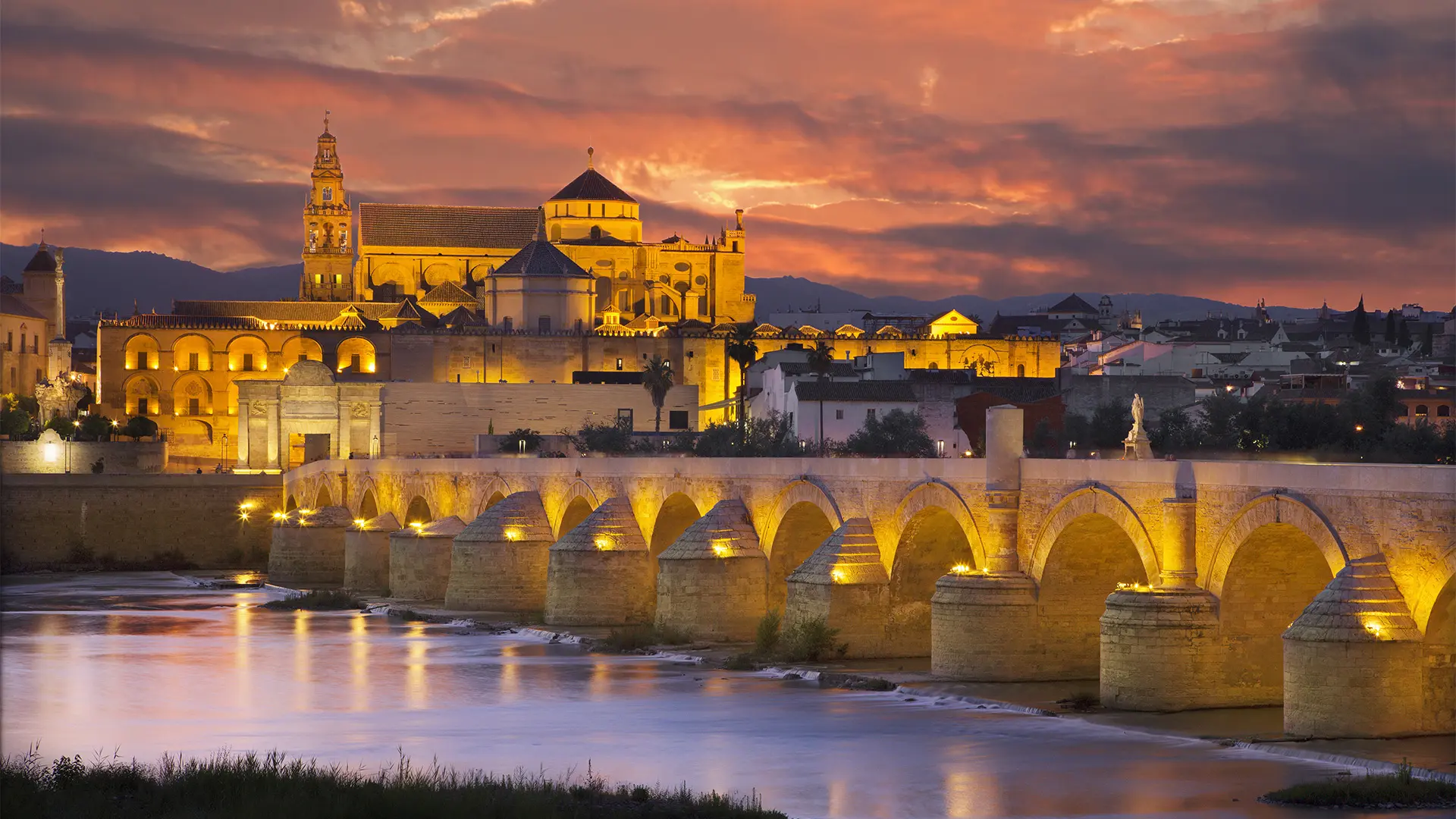
- Photography trips — with the summer haze gone, golden hour lasts longer and the light is more forgiving on stone, water and distant hills
- A day at a wetland reserve — Fuente de Piedra and the Guadalhorce estuary both offer accessible, flat walking with hides and boardwalks
- Long lunches — restaurant terraces are comfortable again, and menus start to shift toward the heartier dishes of the coming season
Create a bespoke tour with TOMA & COE
October getaways are waiting for you
October combines lower temperatures, clearer light, and significantly fewer visitors than the summer months, while still offering warm day-time temperatures. Whether the plan is a day watching raptors cross the strait, a ride along an old railway line through the Subbética, or simply slower travel between villages, it’s one of the best months to visit the region.
Get in touch if you’d like help building a trip around the natural beauty of Andalucia.