Seville, Córdoba and Granada remain the usual starting point for visitors to Andalucia, as each has a UNESCO-listed monument at its centre, and the three cities sit within a few hours of one another. However, there is more to Andalucía than the Classic tour. We look at how your interests can shape the perfect itinerary for your Andalucia trip?
Which part of Andalucía is best for food and wine?
Food and wine in Andalucía varies by province, and a trip built around them usually concentrates on one or two.
- The Sherry Triangle (Jerez de la Frontera, Sanlúcar de Barrameda and El Puerto de Santa María) is the centre of sherry production. Jerez has the bodegas and the equestrian tradition, Sanlúcar is known for manzanilla and seafood, and El Puerto for its fish restaurants. Our Sherry Triangle Tour and the Spirit of Jerez day tour cover this area.
- Cádiz and the Costa de la Luz offer Atlantic seafood. The almadraba method of catching bluefin tuna is practised along this coast in spring, around Barbate, Conil and Zahara de los Atunes.
- Jaén is Spain’s main olive oil province, and the landscape is olive groves almost to the horizon. Harvest runs from roughly late October into winter, and mill visits are best timed around it. See our olive farm experience.
- Córdoba province has the Montilla-Moriles wine area, which makes fino and sweet Pedro Ximénez wines.
- The Serranía de Ronda is a smaller, newer wine region, covered on our Ronda and winery tour.
- Málaga and the Axarquía combine a strong tapas scene with sweet Moscatel wines from the hills east of the city.
- The Sierra de Aracena in Huelva is known for Iberian ham from Jabugo and the surrounding villages. Our gourmet cooking tour in Aracena is based there.
For a week focused on food, three bases work well: Jerez, Cádiz or El Puerto; our Taste of Andalucía Food Tour is a six-night example.
Where are the best places for walking and mountain scenery?
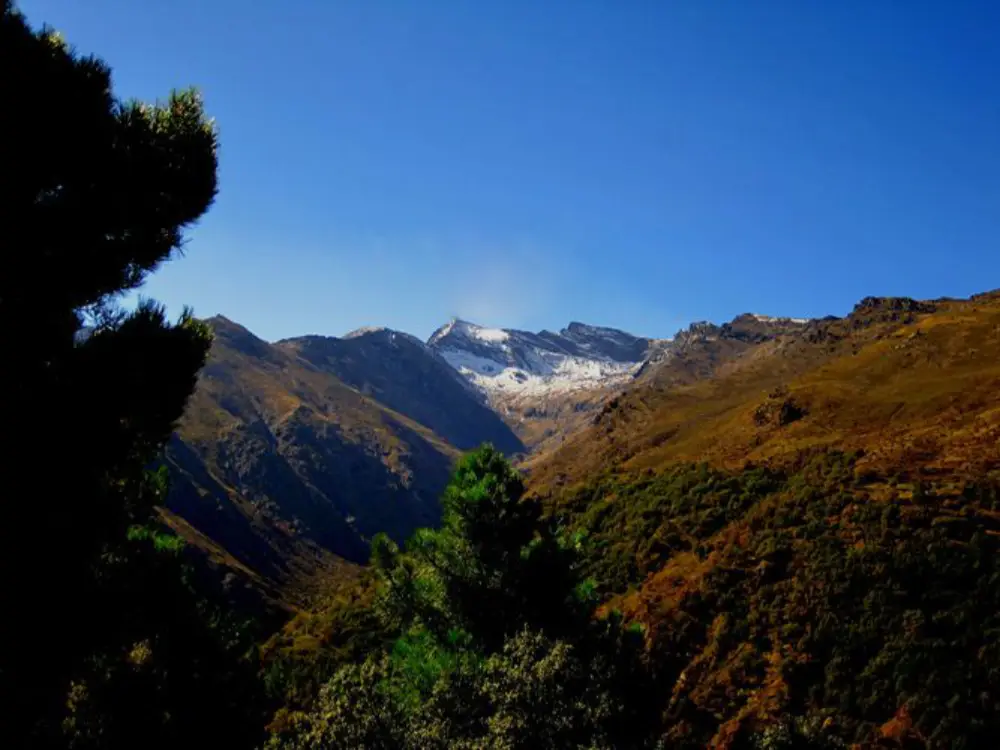
Andalucía has several distinct mountain areas, and they differ in character.
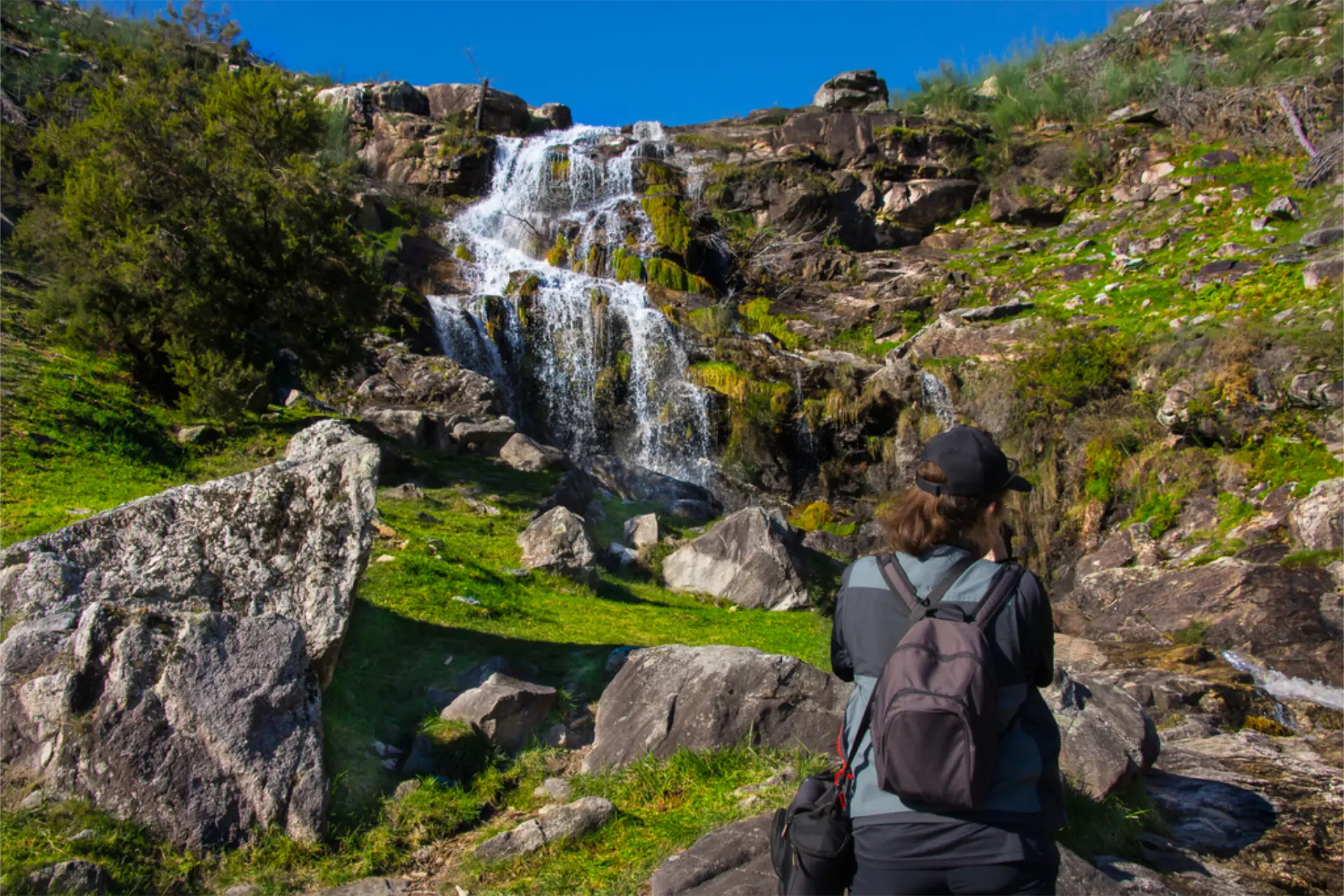
- The Alpujarras, on the southern slopes of the Sierra Nevada, have terraced villages such as Pampaneira, Bubión and Capileira in the Poqueira gorge, with Trevélez known for cured ham. The area is around an hour and a quarter by road from Granada. The Sierra Nevada is a national park and a UNESCO biosphere reserve, and Mulhacén, the highest peak on the Spanish mainland, is climbed from this side in summer.
- The Serranía de Ronda and Sierra de Grazalema combine limestone ridges, gorges and pinsapo fir forest. Grazalema is among the wettest places in Spain, which gives the area its green character. Some routes in the natural park require a permit, so walks need arranging in advance.
- The Sierras de Cazorla, Segura y Las Villas in Jaén province form one of the largest protected areas in Spain and contain the source of the Guadalquivir. The area is quieter than the Sierra Nevada and suits longer stays.
- El Chorro and the Caminito del Rey, in the hills north of Málaga, is a clifftop walkway through a gorge. Entry is by timed ticket, booked in advance.
- Cabo de Gata-Níjar on the Almería coast is a volcanic landscape of dry hills and small bays, and a UNESCO biosphere reserve.
For guided walking, our Málaga hiking tours take in some of the stunning scenery which many are unaware of in Málaga province. The Camino de Santiago pilgrimage covers longer routes through Andalucia, or further along the Camino, and in to Santiago de Compostela itself.
Where can you find white villages and rural Andalucía?
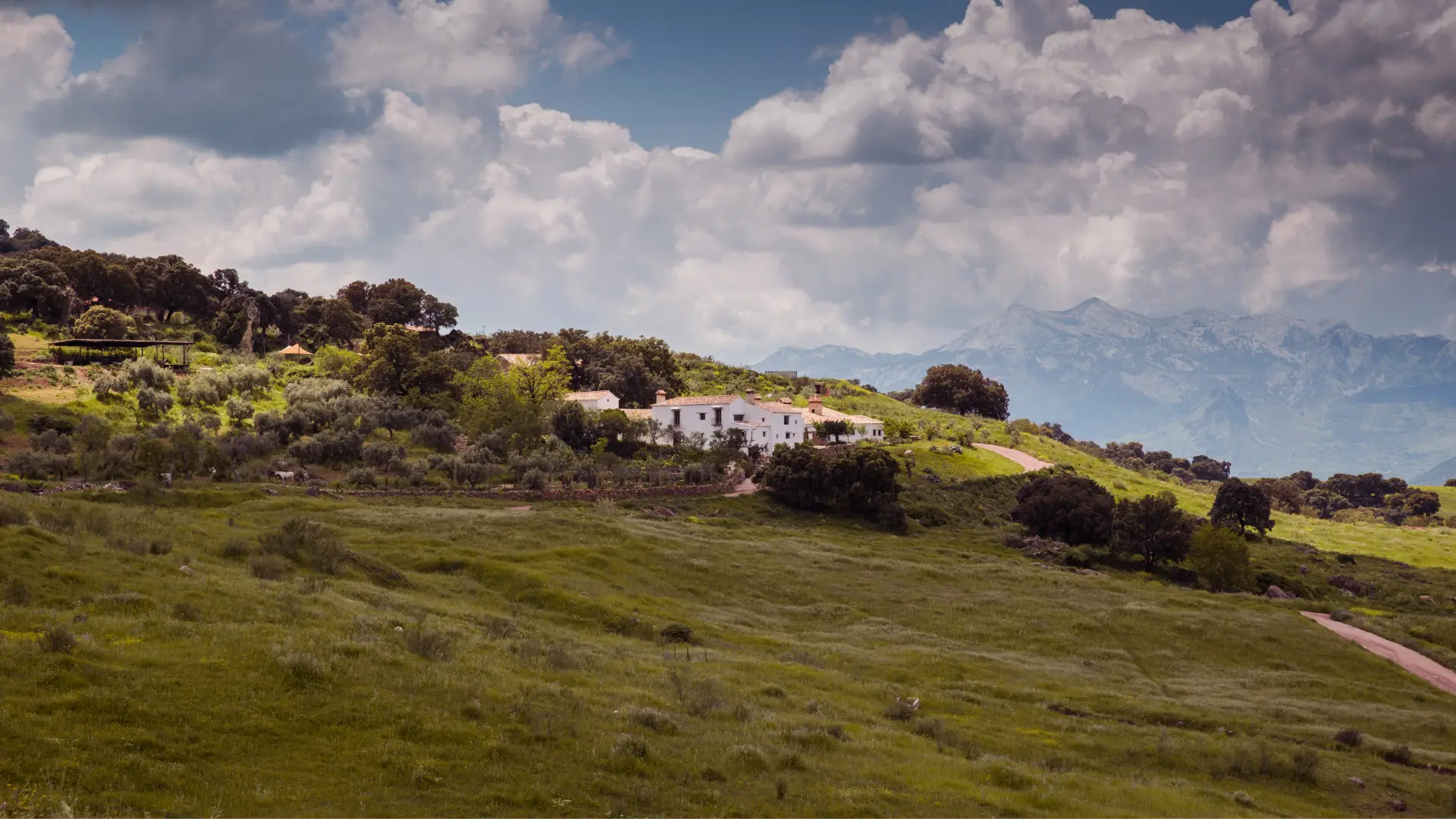
The Pueblos Blancos, or white villages, are spread across the Sierra de Cádiz and the Serranía de Ronda. Arcos de la Frontera, Zahara de la Sierra, Grazalema and Olvera sit on ridges and above reservoirs. Setenil de las Bodegas has houses built under rock overhangs, and Vejer de la Frontera looks over the Atlantic coast. All of them are small, and most are best reached by car or private transfer.
Further east is Mijas pueblo with its incredible views along the Costa del Sol coastline. Frigiliana, one of Spain’s most beautiful villages, is close to Nerja and its famous Balcon de Europa and caves.
Inland Andalucía also includes working farmland, gorges and hill towns that appear on few standard itineraries. Our Authentic Andalucía Road Trip is built around this kind of route, whilst the guided Archidona and Antequera day tour is a shorter introduction.
Two or three nights in a village is usually enough for walking, local restaurants and the surrounding countryside. A longer stay suits travellers who want a base for day trips, or the chance for a digital detox.
Which areas suit travellers interested in history?
Naturally, the “big three” of Seville, Cordoba and Granada are top of everyone’s lists when visiting for the first time.
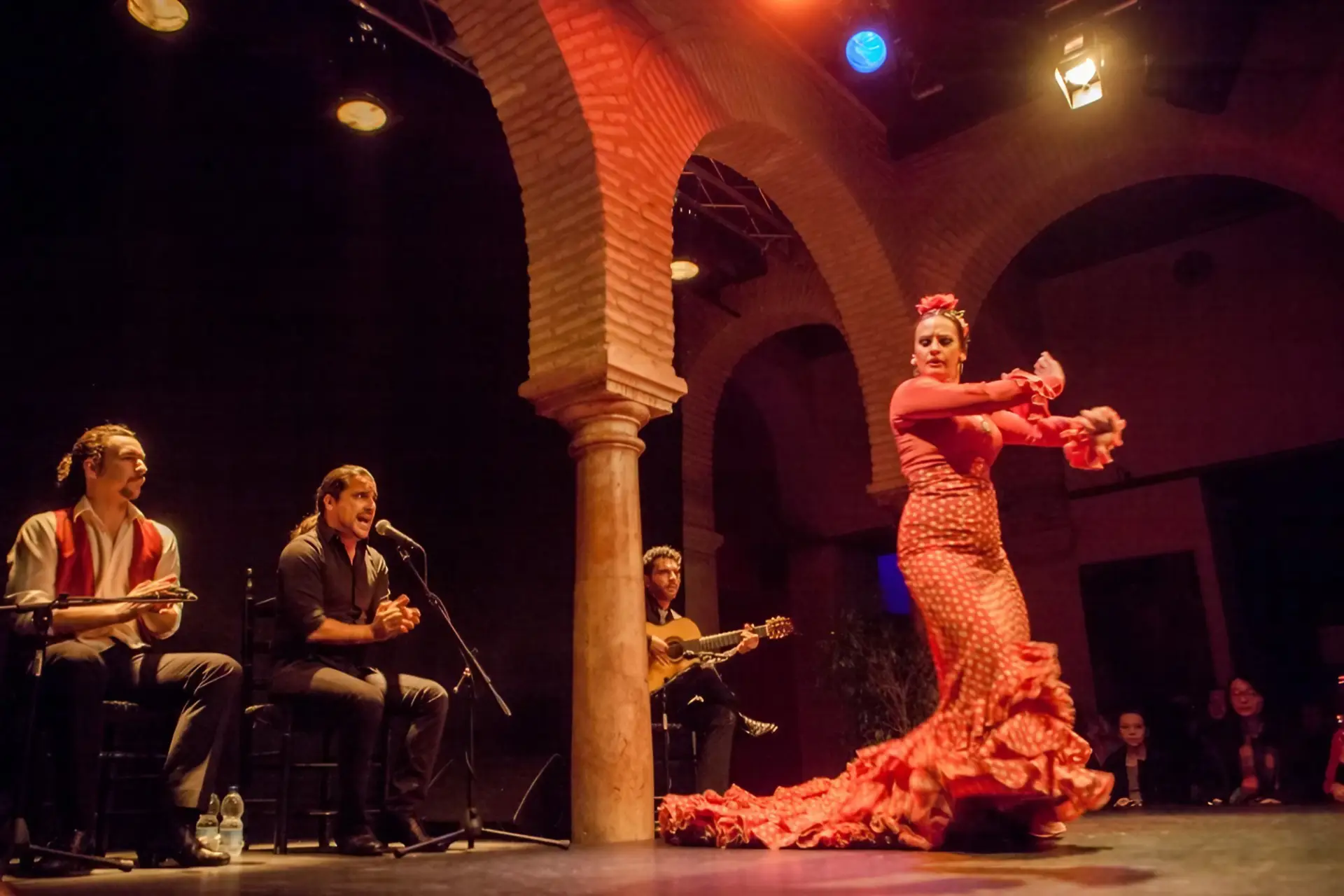
- Seville has the cathedral and its Giralda tower, the Real Alcázar and the Archivo de Indias, all part of one World Heritage listing, along with the Triana and Santa Cruz neighbourhoods and a strong tapas and flamenco culture.
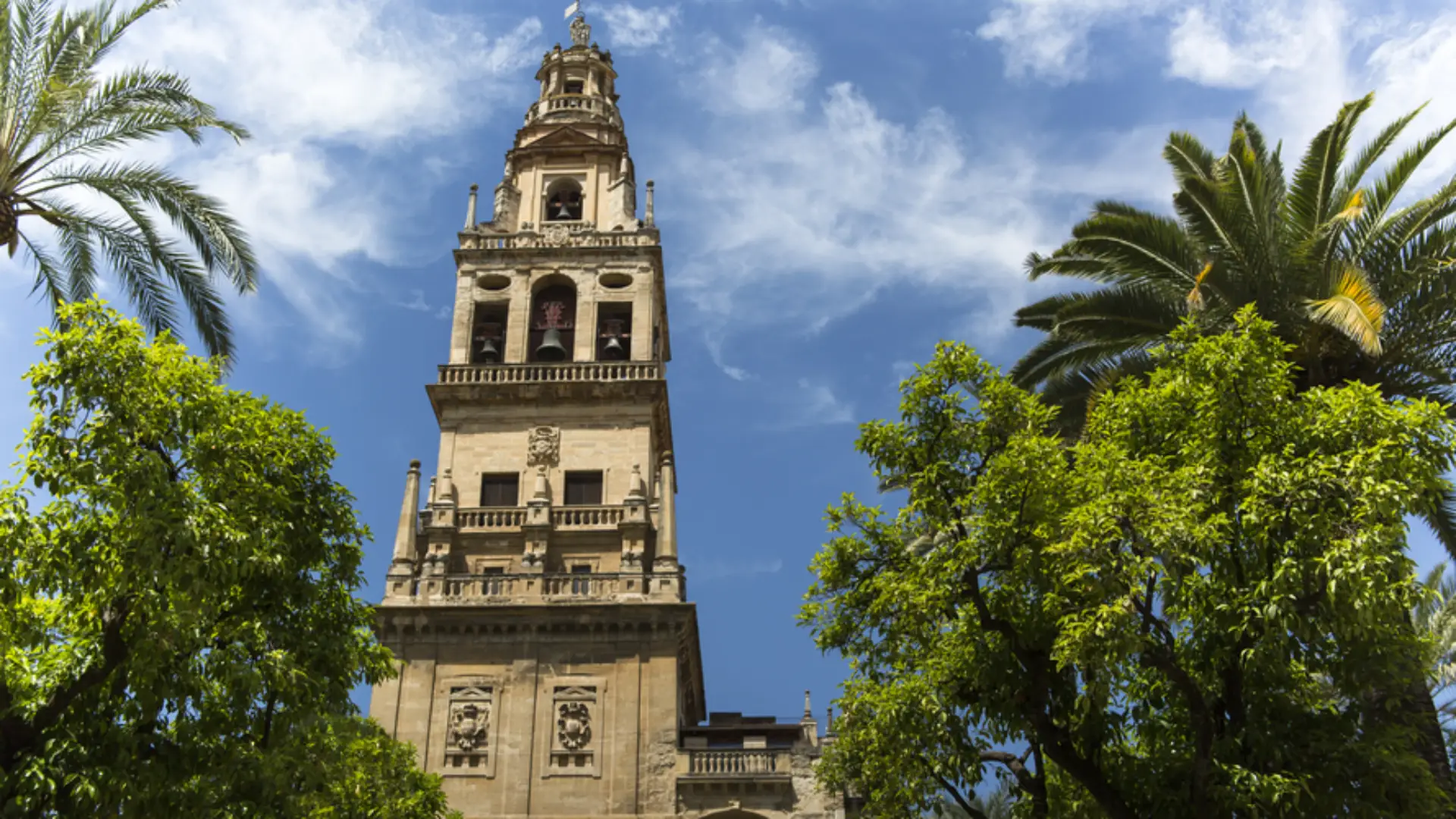
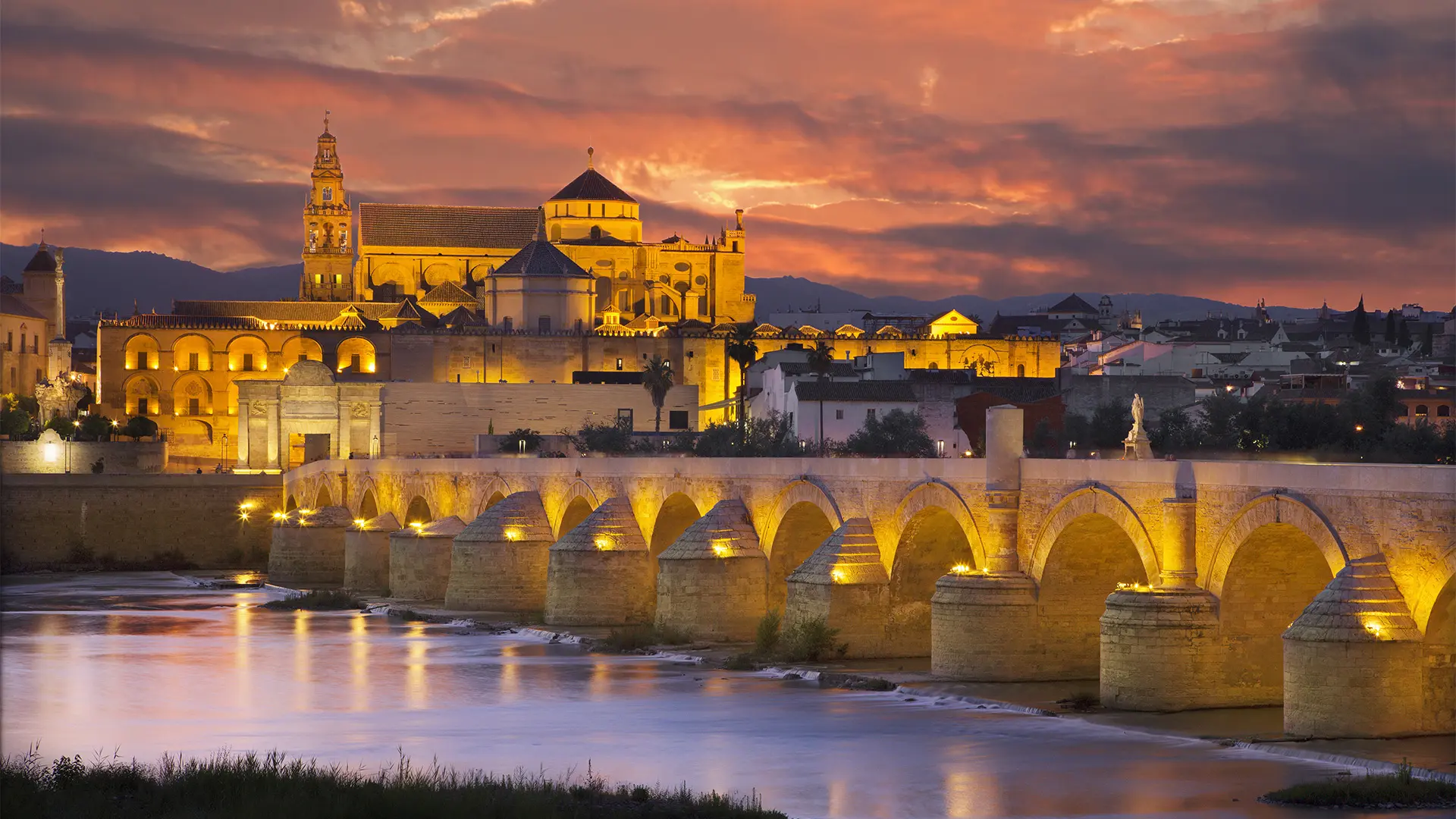
- Córdoba is home to the Mezquita-Catedral, the Roman bridge over the Guadalquivir, the Judería and the patios that open to visitors in May. Medina Azahara, the ruined caliphal city outside town, is also a World Heritage site. Our short history of Córdoba’s Mezquita gives the background to the building.
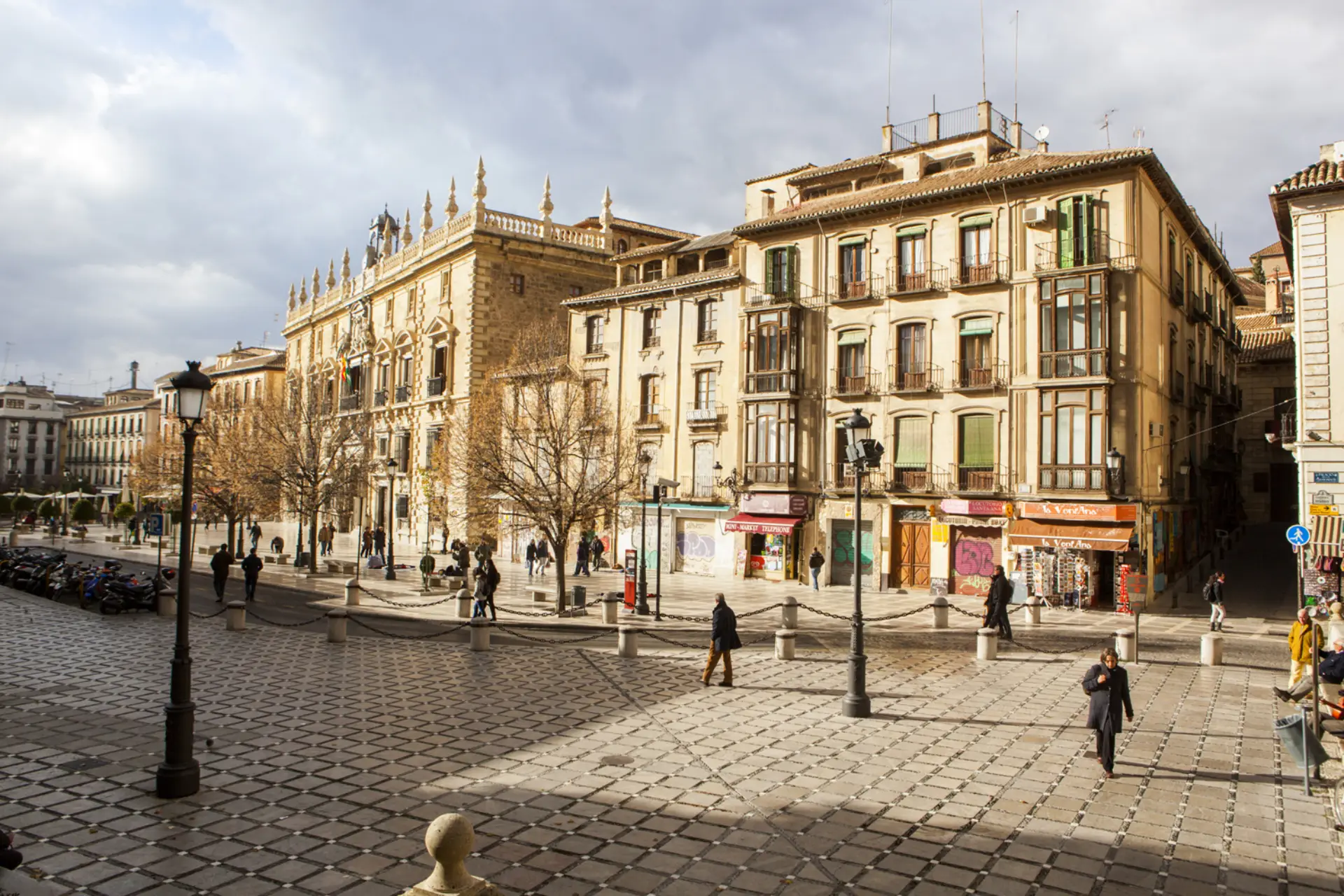
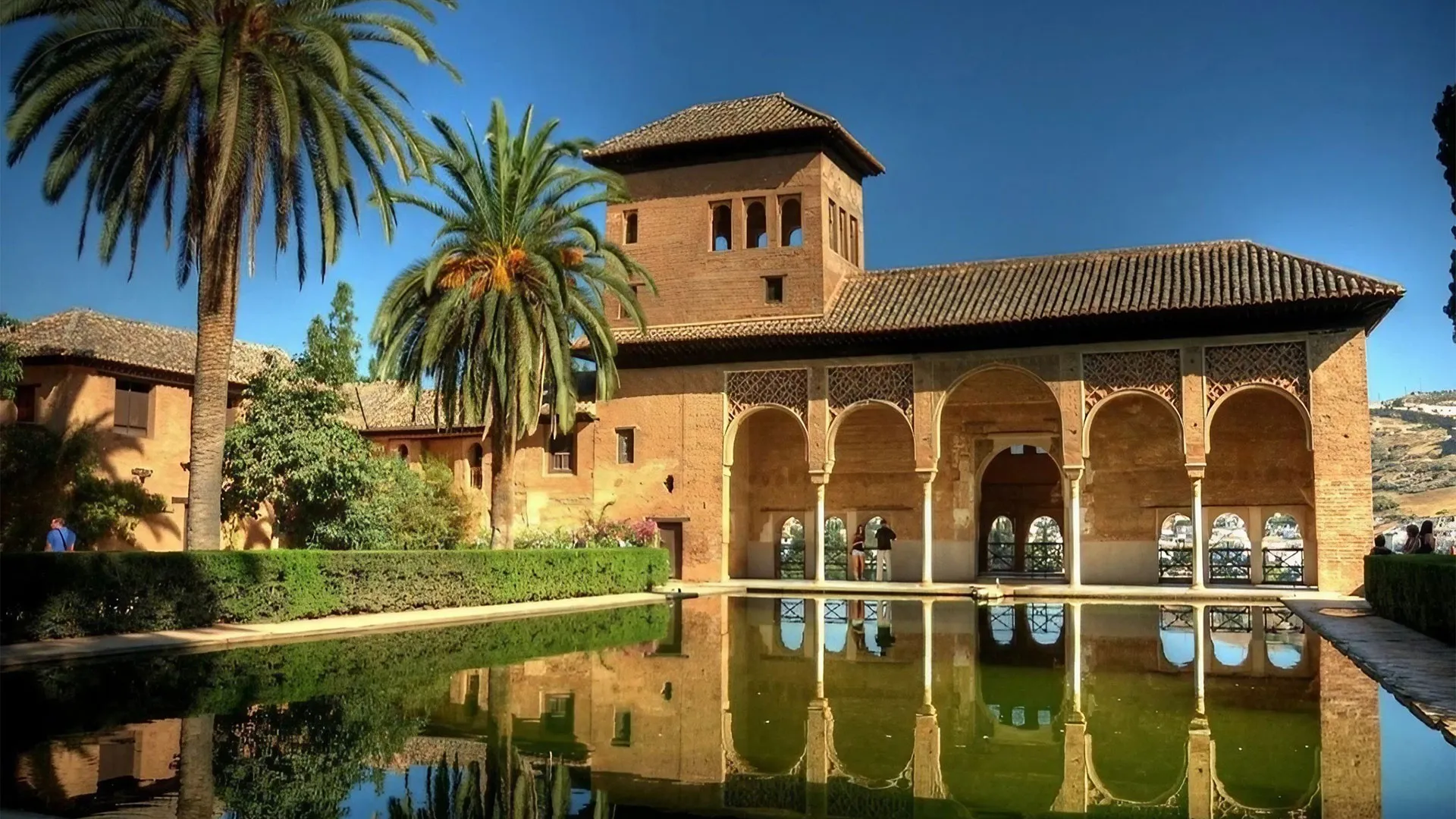
- Granada has the Alhambra and Generalife, the Albayzín quarter and the Sacromonte hillside, with the Sierra Nevada behind the city.
Seville and Córdoba are about 45 minutes apart by high-speed train, and Granada connects to both by train and road. Four nights is the minimum for two of these cities. Seven nights allows two or three nights in each without rushing. Our Grand Andalucía Tour and the Classic Andalucía Tour, Hospes Edition follow this route.
However, if you’re returning to Andalucia, several parts of the region reward a visit for historical reasons and receive far fewer visitors than Seville or Granada.
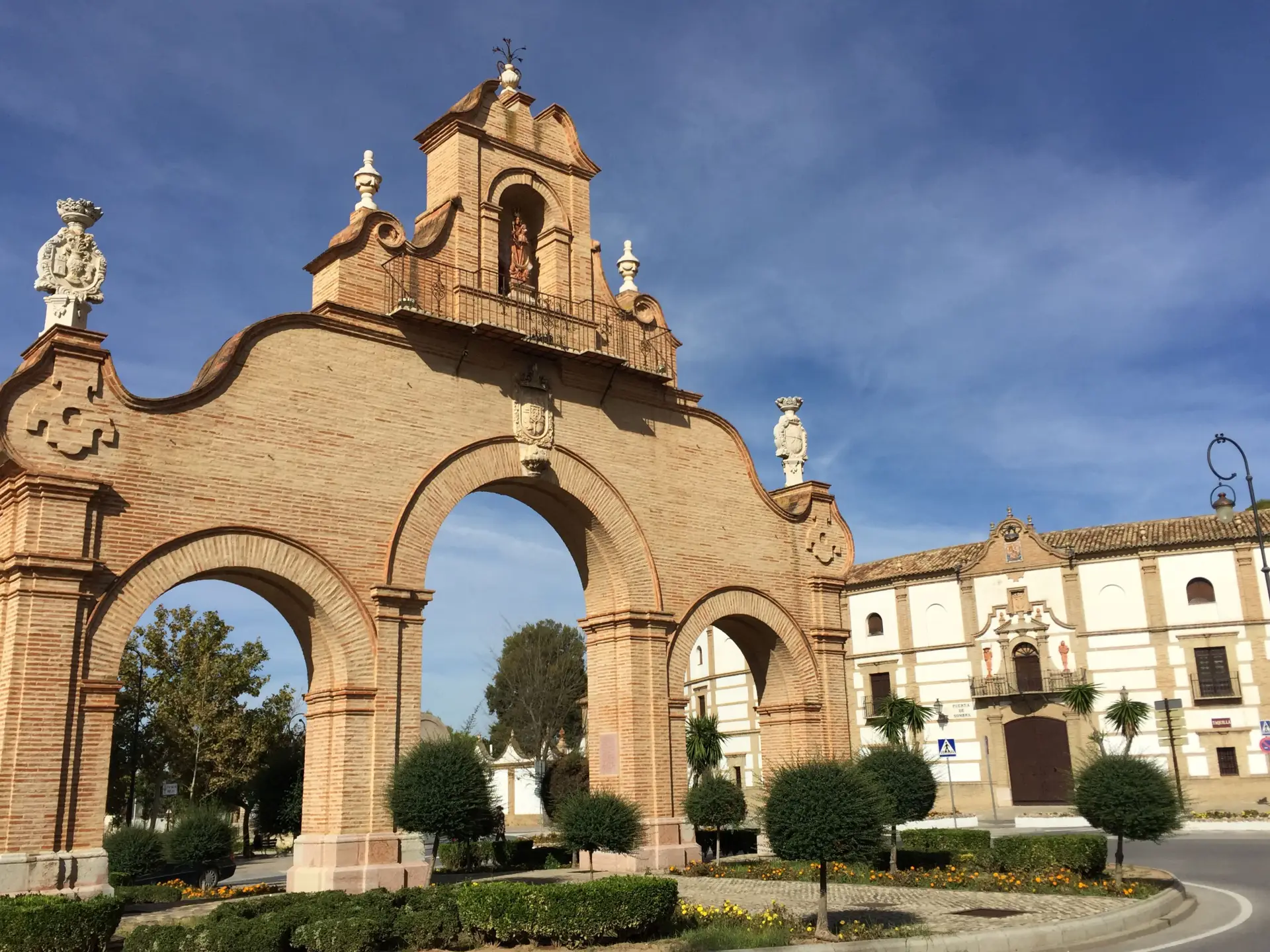
- Antequera has the Dolmens of Antequera, a Neolithic group of burial monuments on the UNESCO list that includes Menga, Viera and El Romeral, along with a well-preserved old town.
- Úbeda and Baeza in Jaén province are small Renaissance towns, listed together by UNESCO.
- Carmona and Écija in Seville province have Roman remains and a large number of churches and palaces.
- Lucena has strong connections to Sephardic history, which our Sephardic Jewish Heritage Tour explores.
- Moorish Andalucía can be followed across several cities, as on the Al-Andalus tour with Jason Webster.
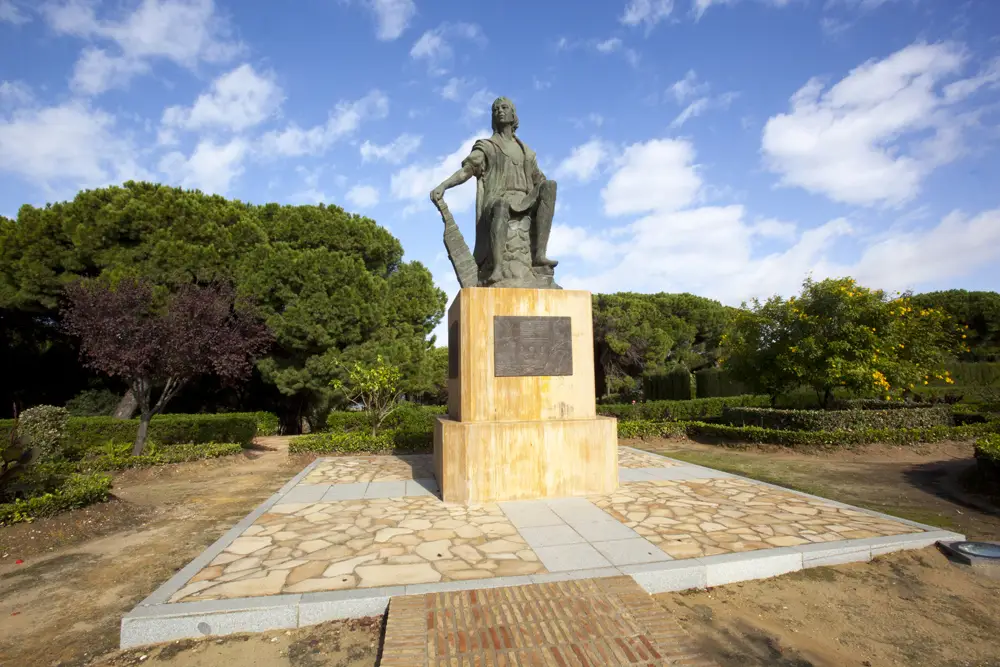
- Huelva and Cádiz on Andalucia’s Atlantic coast are excellent for those with an interest in maritime history particularly. There is the Christopher Columbus and Napoleonic Wars connections, as well as Huelva’s British connection.
The TOMA team is always on hand to help you plan your perfect itinerary, taking into account your personal preferences. Get in contact to discuss your wishes.
Which area is best for the coast?
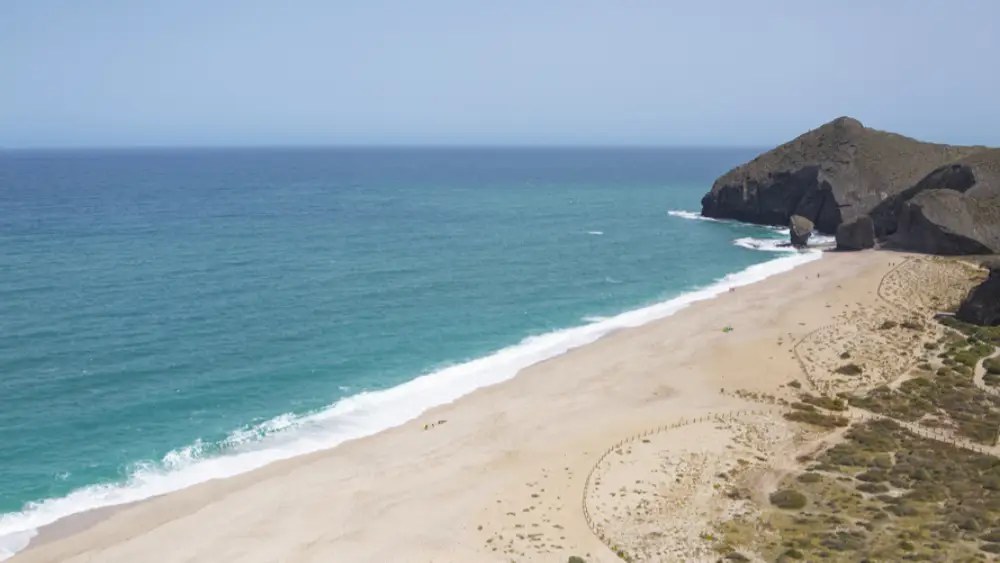
Andalucía has three quite different coastlines, split into four areas.
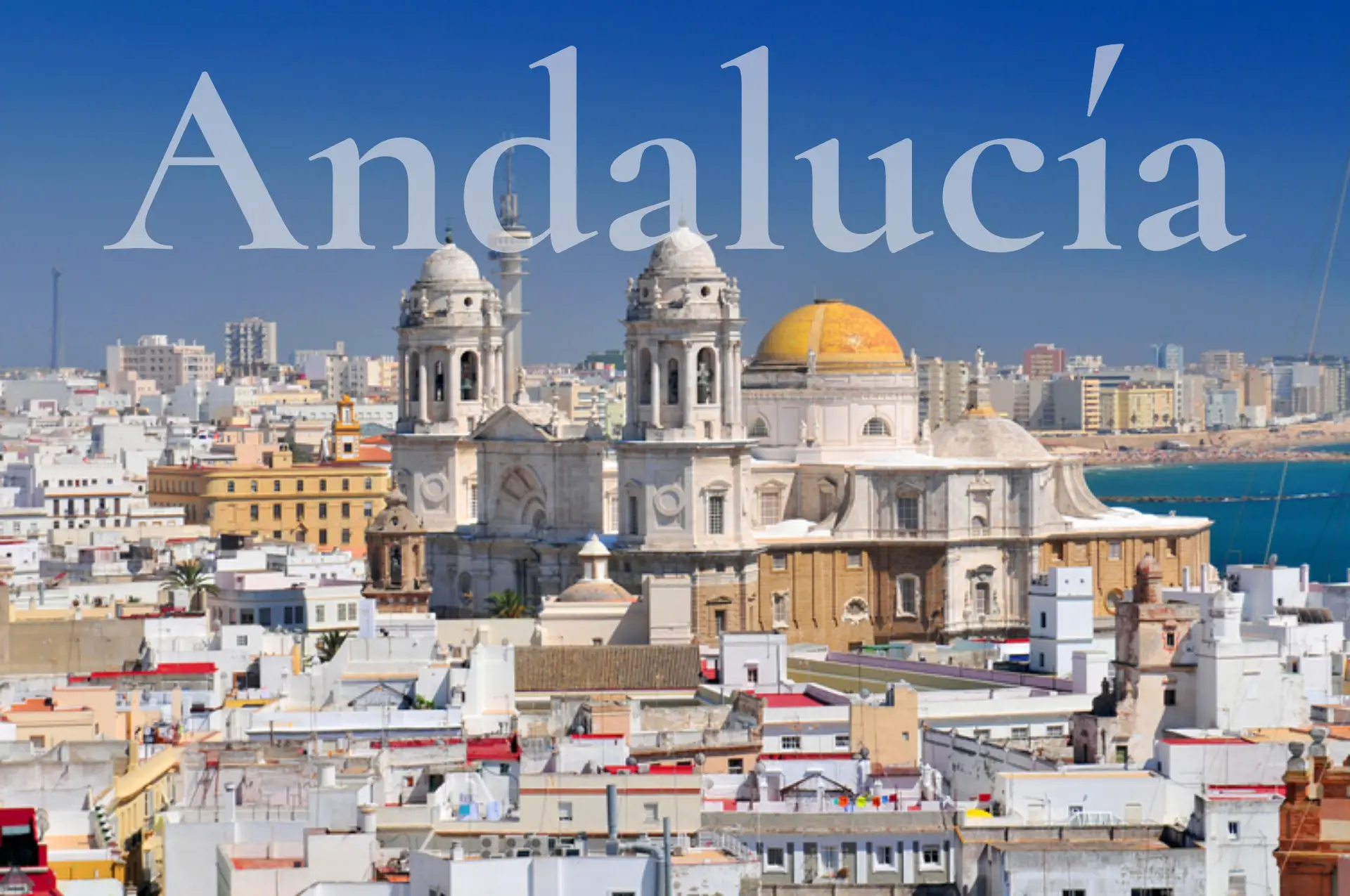
- The Costa de la Luz, on the Atlantic in Cádiz and Huelva provinces, has long beaches, wind and surf at Tarifa, and the city of Cádiz, which was founded by the Phoenicians. See our article on exploring Cádiz.
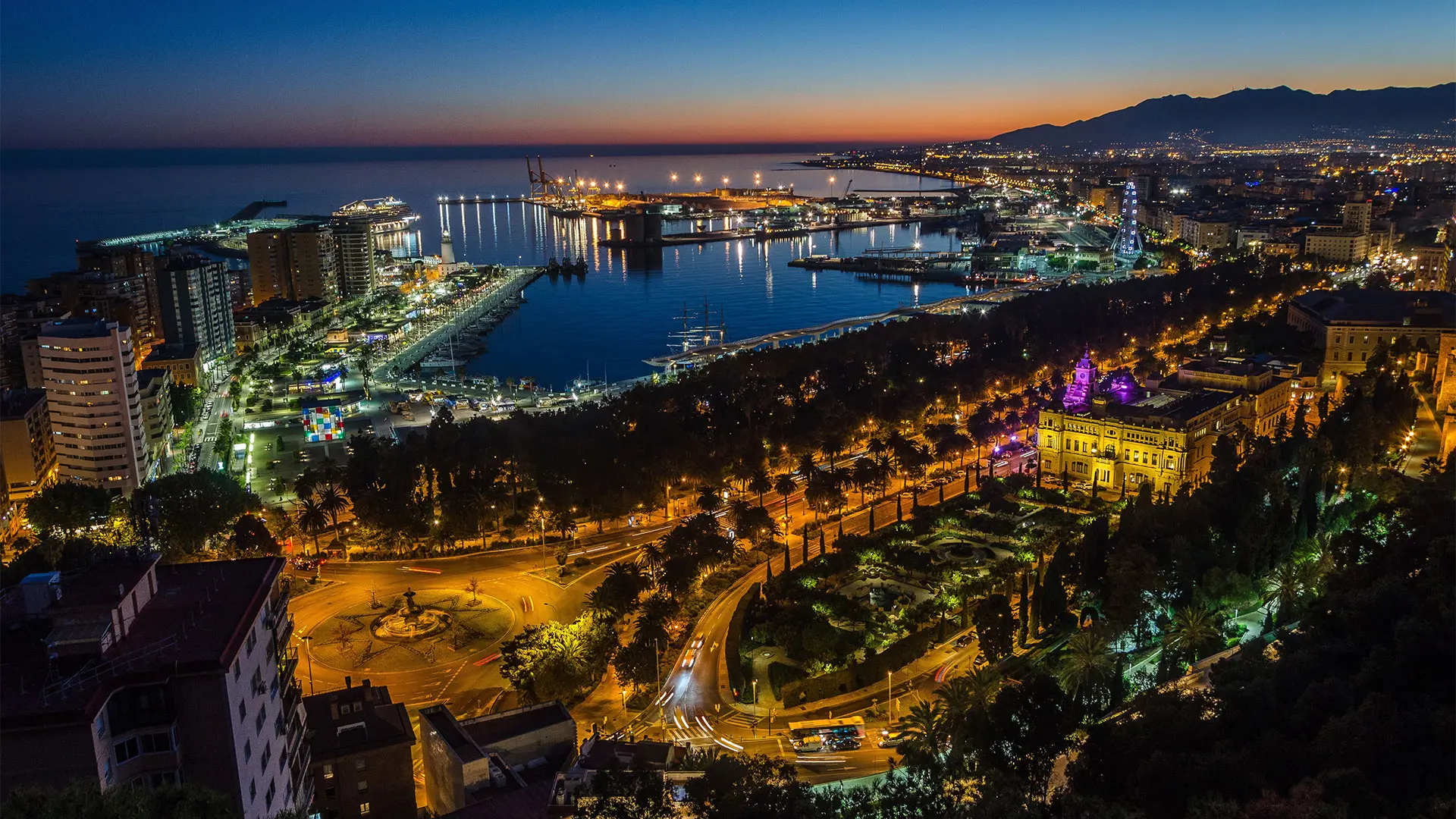
- The Costa del Sol, in Málaga province, has the most developed tourism infrastructure, with Málaga city, Marbella, Estepona and Nerja. Málaga has a strong museum scene and its Picasso connections make a good city break. Our article on Gibraltar and Estepona covers the western end of this coast.
- The Costa Tropical continues where the Costa del Sol ends, heading towards the drier Almeria coastline. As part of the province of Granada, it becomes rockier with smaller coves and inlets for beaches.
- In Almeria, the coves continue into the Natural Park Cabo de Gata. Some of the most beautiful beaches in Spain can be found here – but access is not always easy, and as it’s in a natural park there are very few facilities.
Travellers who want both a coast and a city often pair a few nights in Seville or Granada with a few nights near the sea. Cádiz and Málaga both work as combined city and coastal stops.
How do you combine areas without spending the trip in transit?
A useful rule is two or three bases per week, with no single transfer longer than about two hours. Moving every night cuts the time available in each place, and it adds packing and check-in time to every day.
Some combinations that work well:
- Five nights, first visit: three nights in Seville and two in Córdoba, or three in Granada and two in Córdoba.
- Seven nights, classic route: two nights in Seville, two in Córdoba and three in Granada.
- Seven nights, food and wine: three nights in Jerez, two in Cádiz or El Puerto de Santa María, and two in Ronda.
- Eight to ten nights, landscape and villages: three nights in Granada, three in the Alpujarras, and three or four in Ronda or the Sierra de Grazalema.
- Ten nights, wider route: two nights in Málaga, one in Antequera, three in Granada, two in Córdoba and two in Seville.
The Self-Guided Tours of Andalucía show how a route like this can be built with accommodation and transfers arranged in advance.
How does the time of year affect the choice of area?
Needless to say, the season will affect your choice of location. Andalucia may be considered a sunny destination, but there is snow on them there hills! The Sierra Nevada in Granada for example, is a prime ski destination for the Spanish in the winter, and offers excellent hiking in the late spring and autumn.
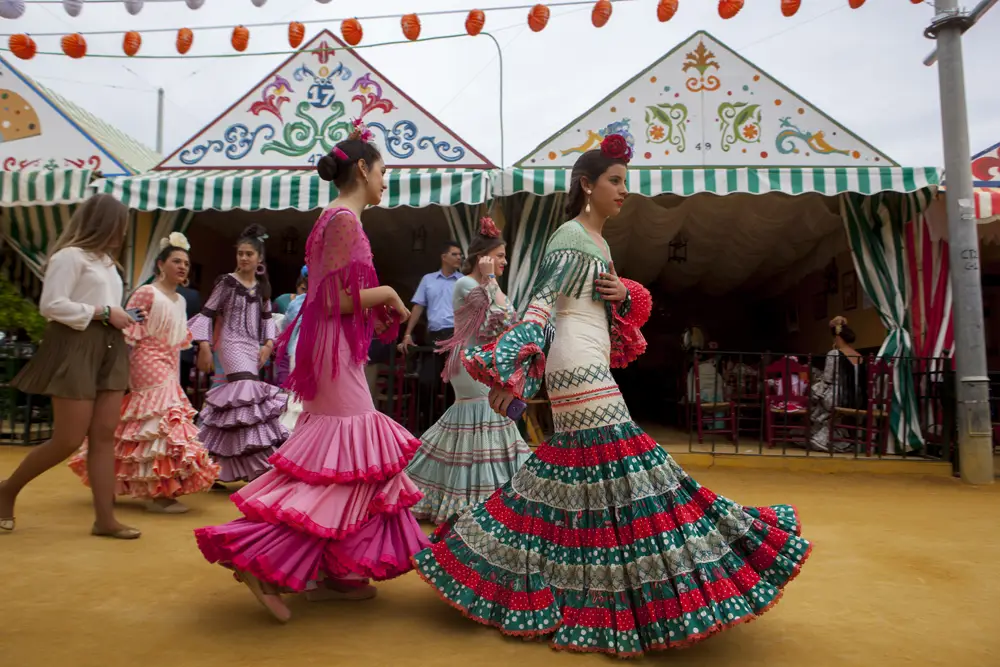
- Spring (March to May) suits almost everywhere. It is also the festival season, with Semana Santa, the Feria de Abril in Seville and the patio festival in Córdoba in May. These events fill hotels, so dates need fixing early.
- Summer (June to August) suits the coast and higher ground. Seville and Córdoba regularly pass 40°C, and sightseeing in the afternoon becomes difficult.
- Autumn (September to November) works for cities, walking and food. The grape harvest in the Jerez area falls in late summer and early autumn, and olive harvest begins in Jaén from late October. Our article on October in Andalucía covers that month in more detail.
- Winter (December to February) suits cities, the Málaga coast and skiing in the Sierra Nevada. Rain is more likely in the mountains and in Cádiz province.
The total solar eclipse of 2 August 2027 crosses southern Spain, including parts of Andalucía. Anyone planning around it should read our article on the 2027 total solar eclipse and book early.
How can a travel specialist help you choose?
Choosing an area involves trade-offs between time, travel distance, season and interests. A specialist can compare options against your dates and the pace you want, and can say which combinations work on the ground. Our article on why use an Andalucía travel specialist explains how that process works, and our bespoke tours are built around it.
If you already know which areas interest you, get in touch and we can start working out a route.