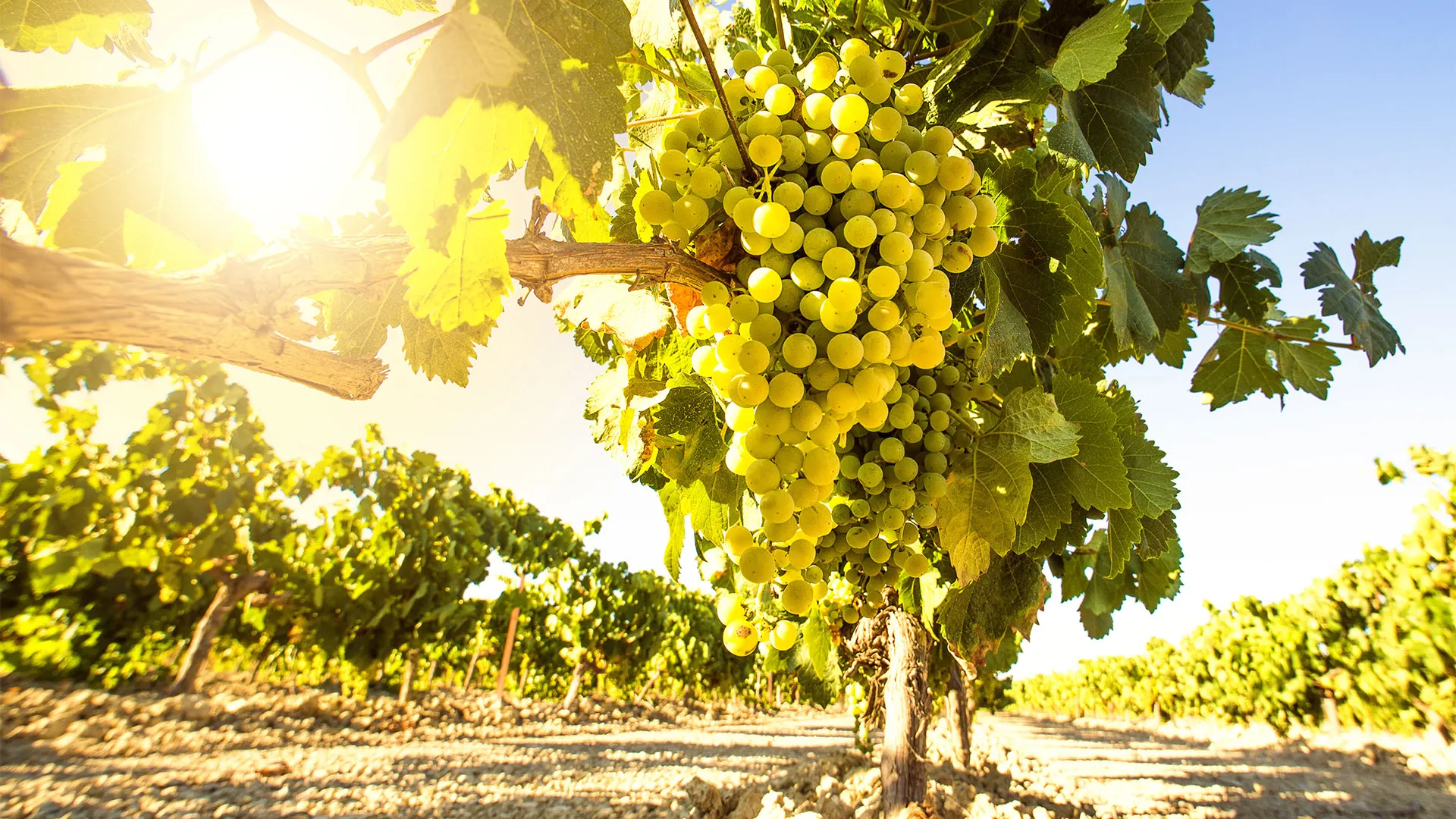
The wines of Malaga reflect one of Europe’s oldest viticultural landscapes, shaped by Phoenician trade, Moorish agriculture, and modern quality-focused winemaking. While the region is historically associated with sweet, fortified styles, today’s Malaga wine production also includes high-quality dry wines from the Sierras de Málaga designation.

Understanding the range of wines produced here requires looking beyond stereotypes and focusing on geography, grape varieties, and production methods.
What are the main types of wine produced in Malaga?
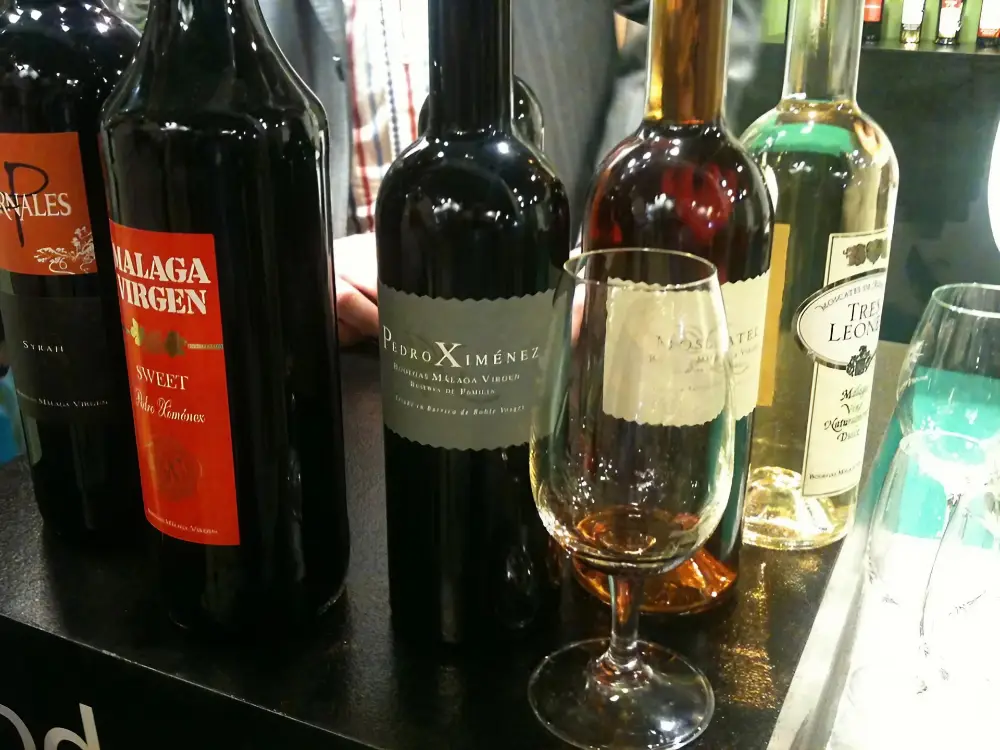
Malaga produces two principal wine styles: traditional sweet, fortified wines under D.O. Málaga, and dry still wines under D.O. Sierras de Málaga. Sweet wines dominate the historical narrative, while Sierras de Málaga represents the region’s modern, terroir-driven approach to white, rosé, and red wines.
The distinction is regulatory rather than geographical. Both designations can share vineyard areas, but they differ in permitted alcohol levels, residual sugar, and winemaking techniques.
Sweet wines of Malaga: history and styles
Sweet wines are the most historically significant wines of Malaga, with documented exports dating back to Roman and medieval periods. These wines are typically made from Moscatel de Alejandría and Pedro Ximénez grapes, often sun-dried to concentrate sugars before fermentation.
Production methods vary, but many sweet Malaga wines are fortified and aged oxidatively, resulting in amber to mahogany colours and complex flavour profiles.
Typical tasting notes include dried fig, raisin, honey, caramel, citrus peel, and toasted nuts. Alcohol levels are usually higher, and sweetness ranges from balanced to very intense, depending on style and ageing.
Top rated sweet Malaga wines to try
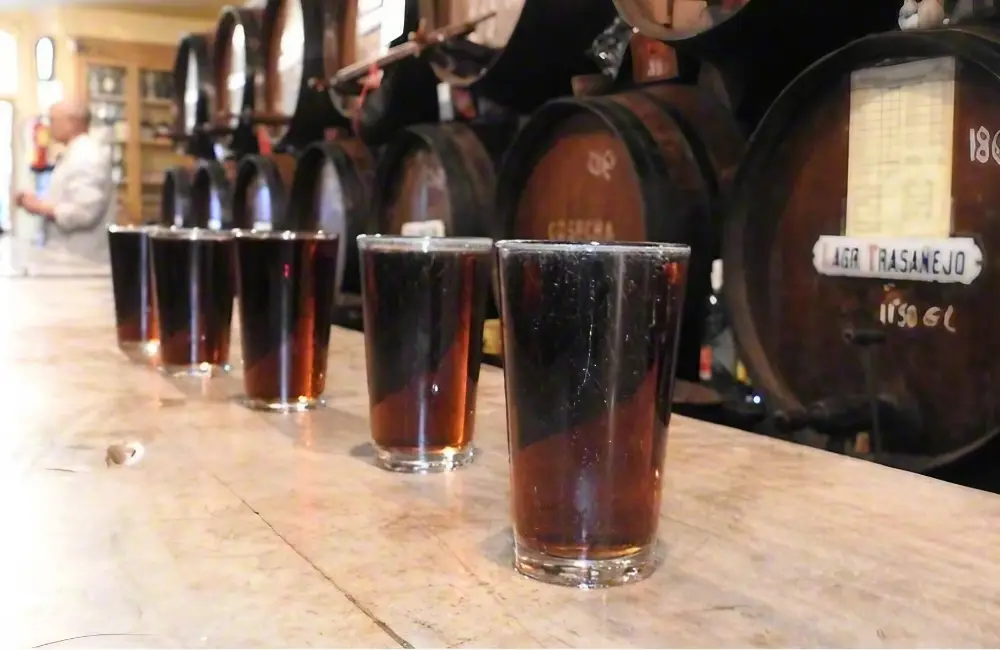
Top rated sweet Malaga wines often come from long-established producers using traditional ageing systems. Styles such as Málaga Virgen, Seco Trasañejo, and naturally sweet Moscatel wines are widely recognised for quality and consistency.
Pedro Ximénez-based wines tend to show darker fruit, cocoa, and coffee notes, while Moscatel wines are lighter in colour with pronounced floral and citrus characteristics. Quality indicators include balance, length, and controlled sweetness rather than intensity alone.
Sierras de Málaga wines: the modern identity of Malaga
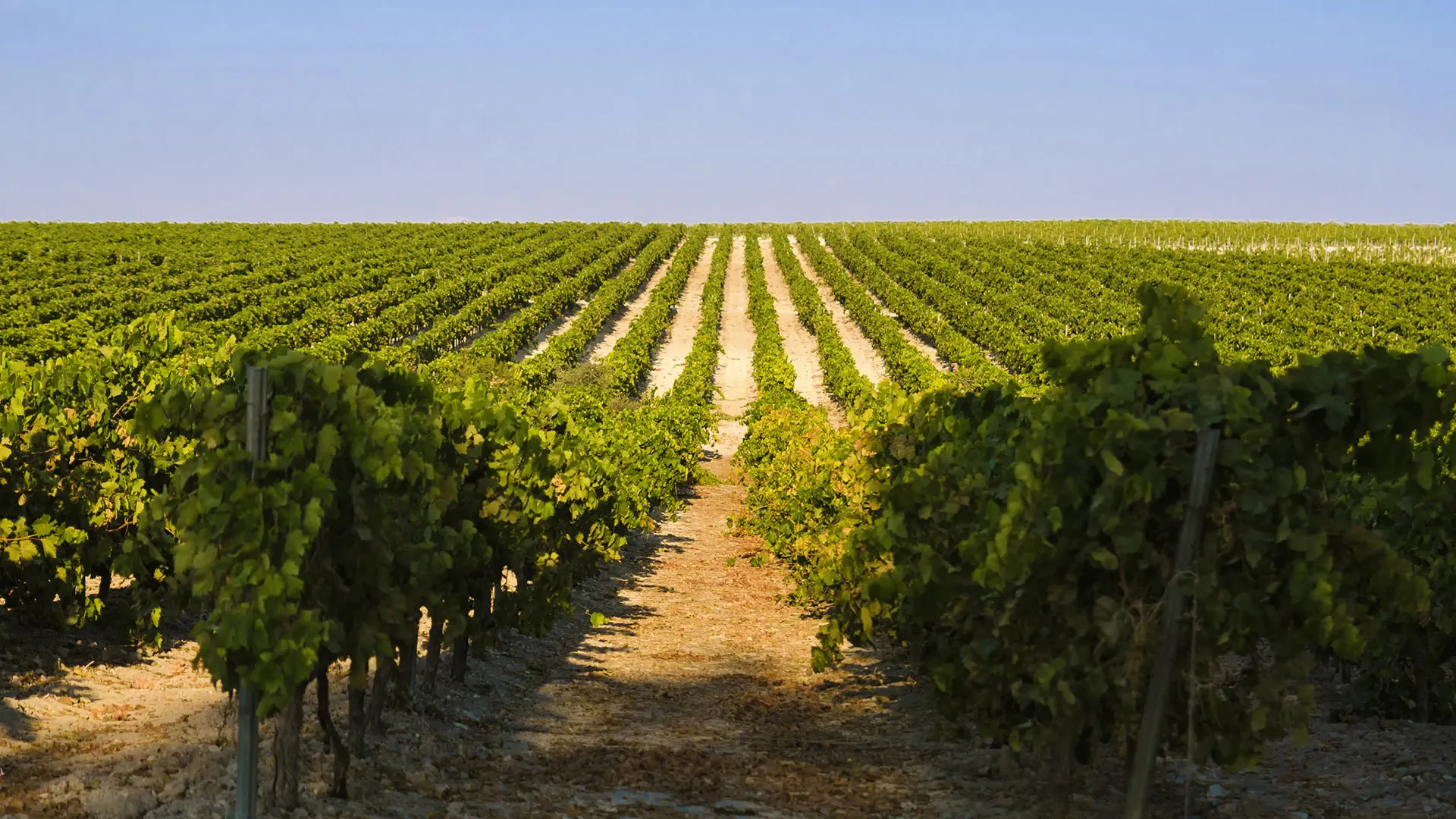
Sierras de Málaga wines represent the region’s shift towards dry, still wines with a strong focus on vineyard expression. Established as a separate designation in 2001, the D.O. regulates alcohol levels and residual sugar, encouraging fresher, more structured styles.
Vineyards are typically located at higher elevations, particularly around Ronda, Axarquía, and inland mountain zones. Cooler nights help preserve acidity and aromatic precision, especially important in a warm climate.
White wines of Sierras de Málaga
White wines from Sierras de Málaga are produced from both local and international grape varieties, including Moscatel de Alejandría, Pedro Ximénez, Chardonnay, Sauvignon Blanc, and Viognier.
These wines are usually dry, with moderate alcohol and a focus on clarity rather than richness. Common tasting notes include citrus, stone fruit, white flowers, and subtle mineral elements. They are well suited to food pairing, particularly seafood and vegetable-based dishes.
Red wines of Sierras de Málaga
Red wines from Sierras de Málaga range from young, fruit-driven styles to oak-aged wines with ageing potential. Tempranillo, Syrah, Cabernet Sauvignon, Merlot, and Garnacha are widely used, alongside revived local varieties such as Melonera.
Typical profiles include red and black fruit, spice, and firm but controlled tannins. Altitude plays a significant role, contributing freshness and structure that distinguishes these wines from lower-elevation Andalusian reds.
Malaga wine tasting tours
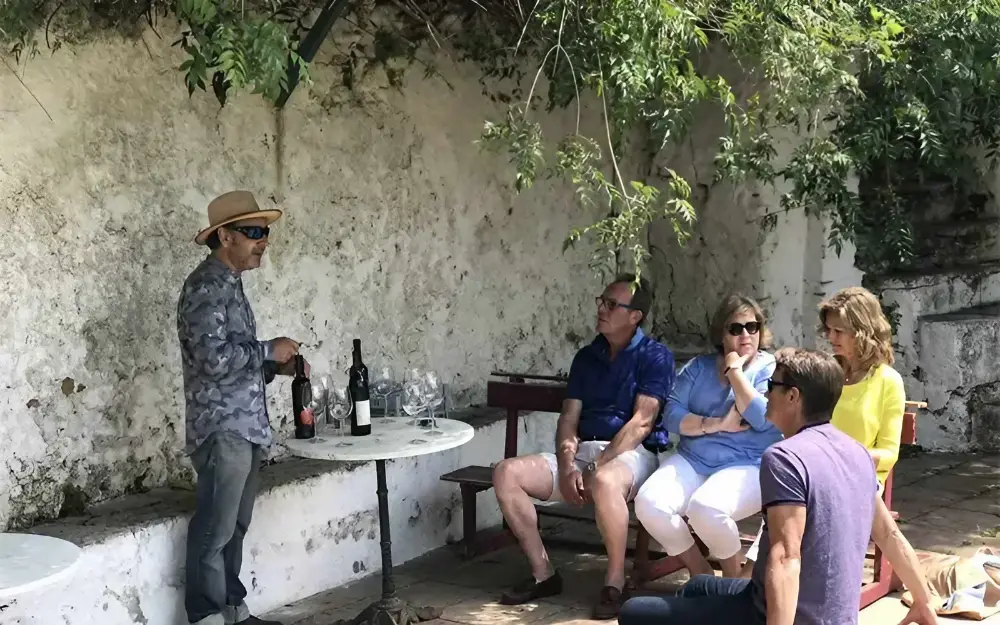
Malaga wine tasting tours increasingly focus on education as much as enjoyment. Structured tastings often compare sweet D.O. Málaga wines with dry Sierras de Málaga wines, allowing visitors to understand stylistic contrasts, production methods, and historical context.
A guided tasting provides insight into grape selection, fermentation choices, ageing techniques, and how local cuisine interacts with different wine styles. This approach is particularly valuable for travellers seeking depth rather than novelty.
Discovering the wines of Malaga with TOMA & COE
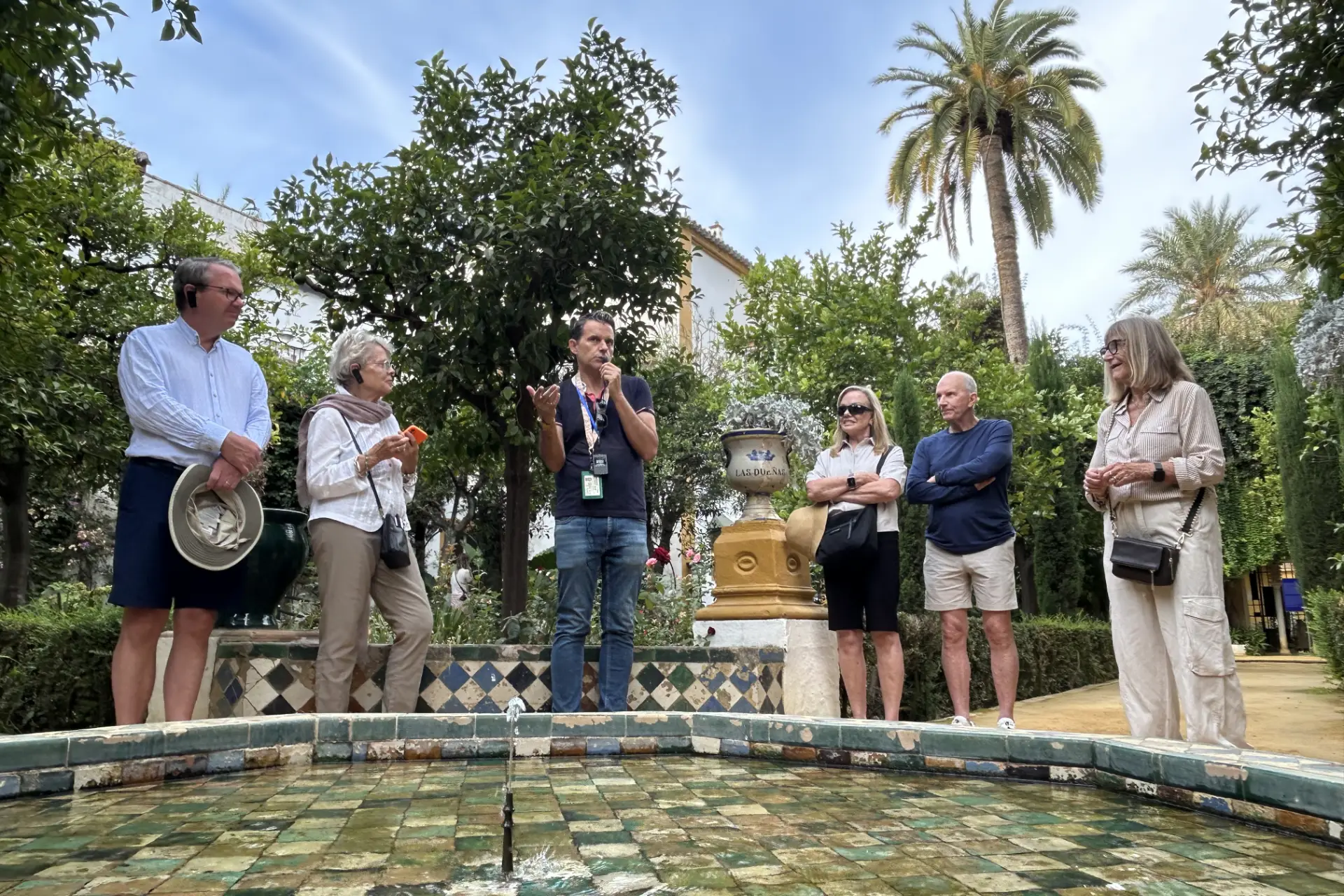
Wine tasting forms a carefully integrated part of the Culinary Hixperience tour, curated with an emphasis on regional authenticity and expert context. Rather than treating wine as an isolated experience, the tour places the wines of Malaga within a broader culinary and cultural framework.
For travellers interested in understanding why Sierras de Málaga wines matter today, and how they relate to the region’s historic sweet wines, this tasting offers clarity, comparison, and informed perspective. Full details of the Culinary Hixperience tour can be found via TOMA & COE for those looking to explore Malaga’s wines in context rather than in abstraction.