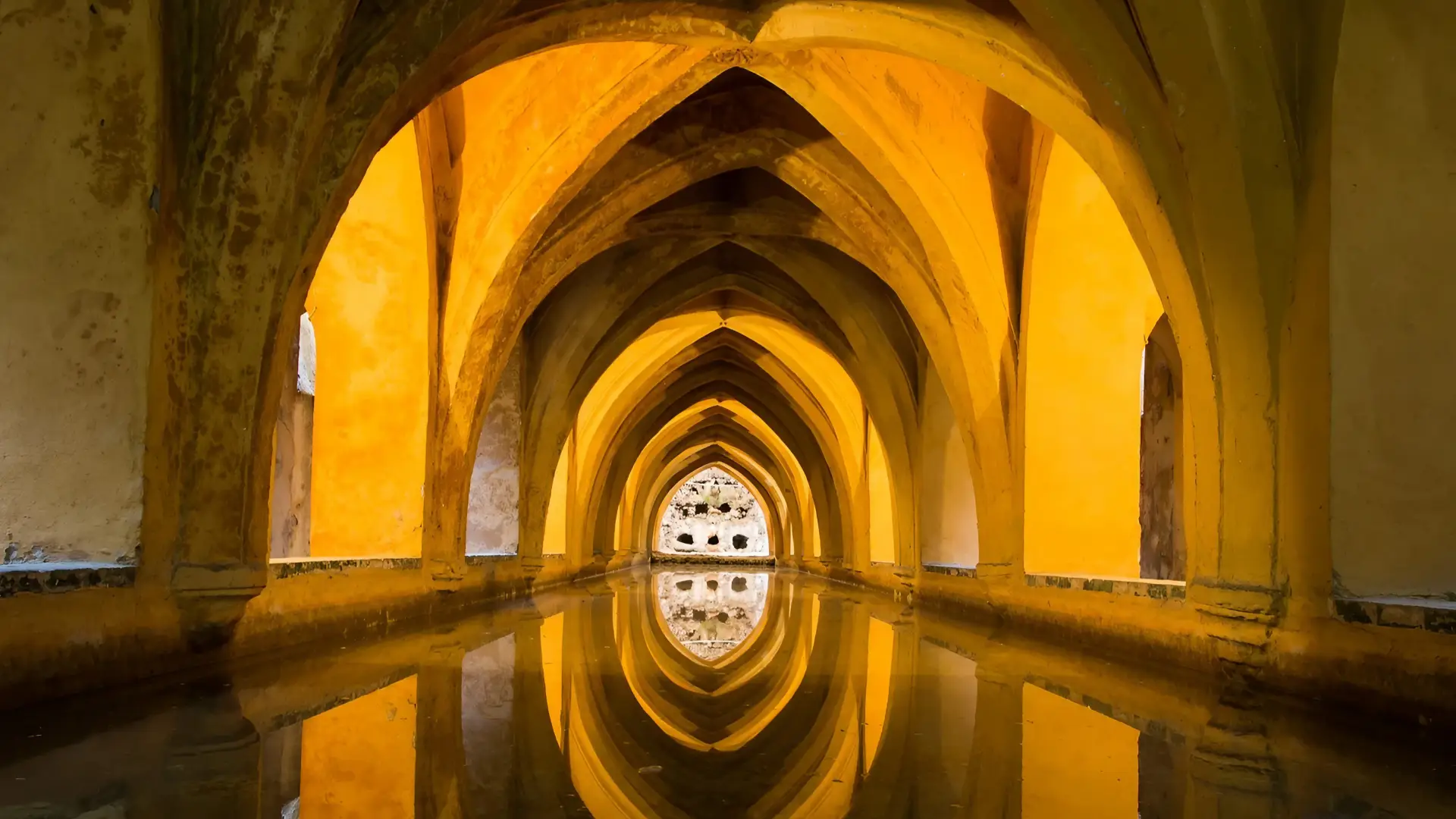
When major travel editors released their “Where to Go in 2027” lists this autumn, two Spanish cities stood out, and neither of them are in the sunny south. National Geographic singled out Santander for its surging cultural scene, while Lonely Planet named León as its sole Spanish pick, praising the city’s rare balance of daytime monumentality and unpretentious evening life.
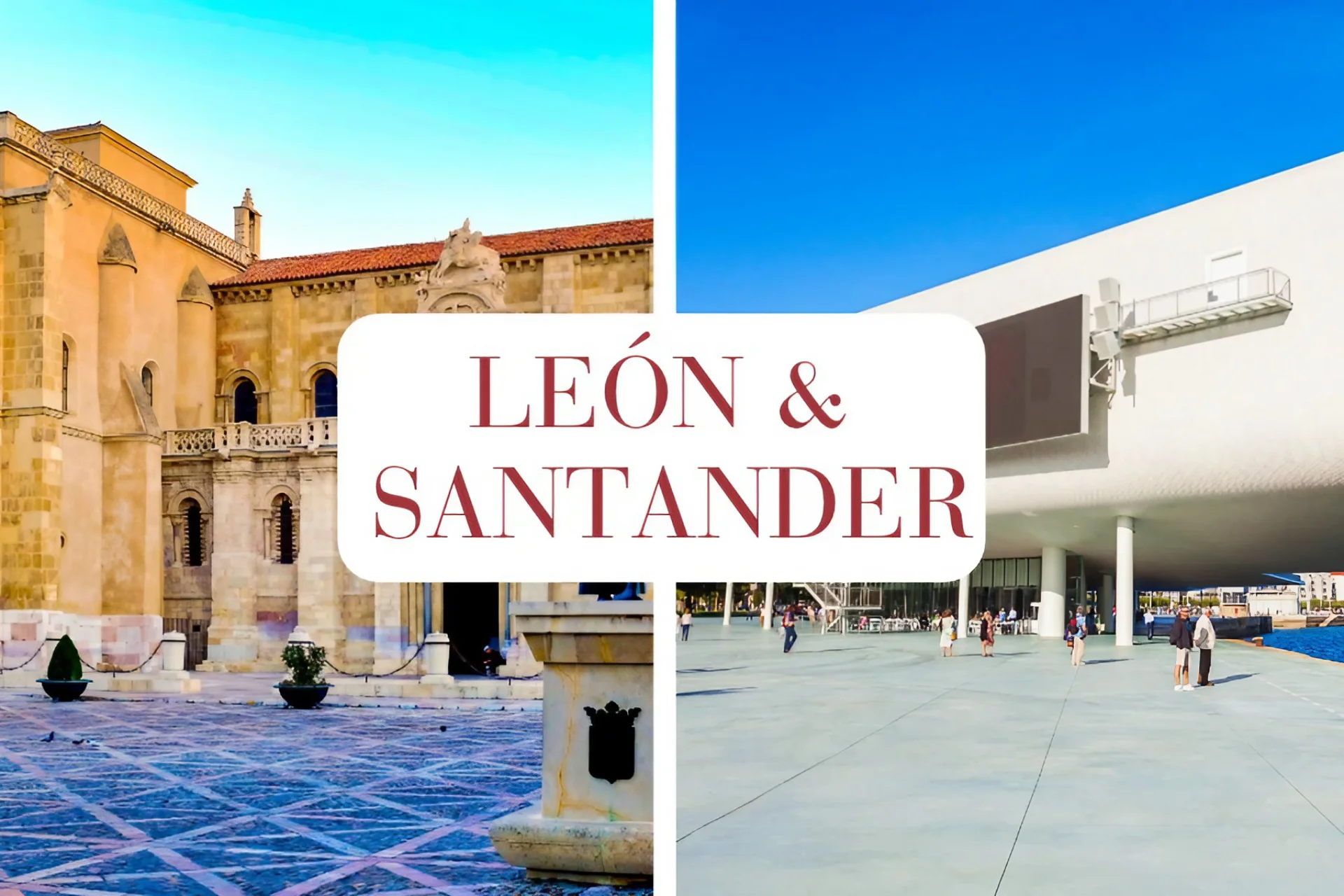
For travellers who already know the olive groves of Andalucía or the boulevards of Madrid, this northern spotlight is welcome news. At TOMA & COE, our roots may be planted in southern Spain, yet our curiosity — and our black book of local contacts — stretches across the entire peninsula and well beyond its borders. Santander and León sit just two and a half hours apart by road or rail, offering a pairing that feels distinctly different from the Mediterranean coast: cooler, greener, deeply historic, and sophisticated.
Santander: Bay views and a cultural awakening
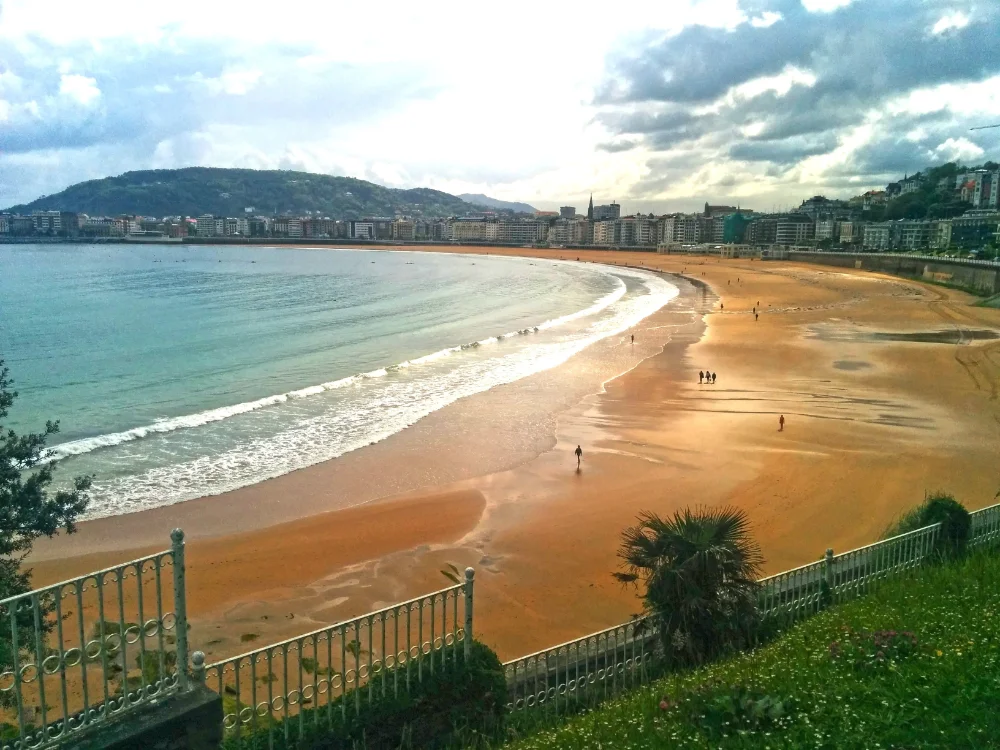
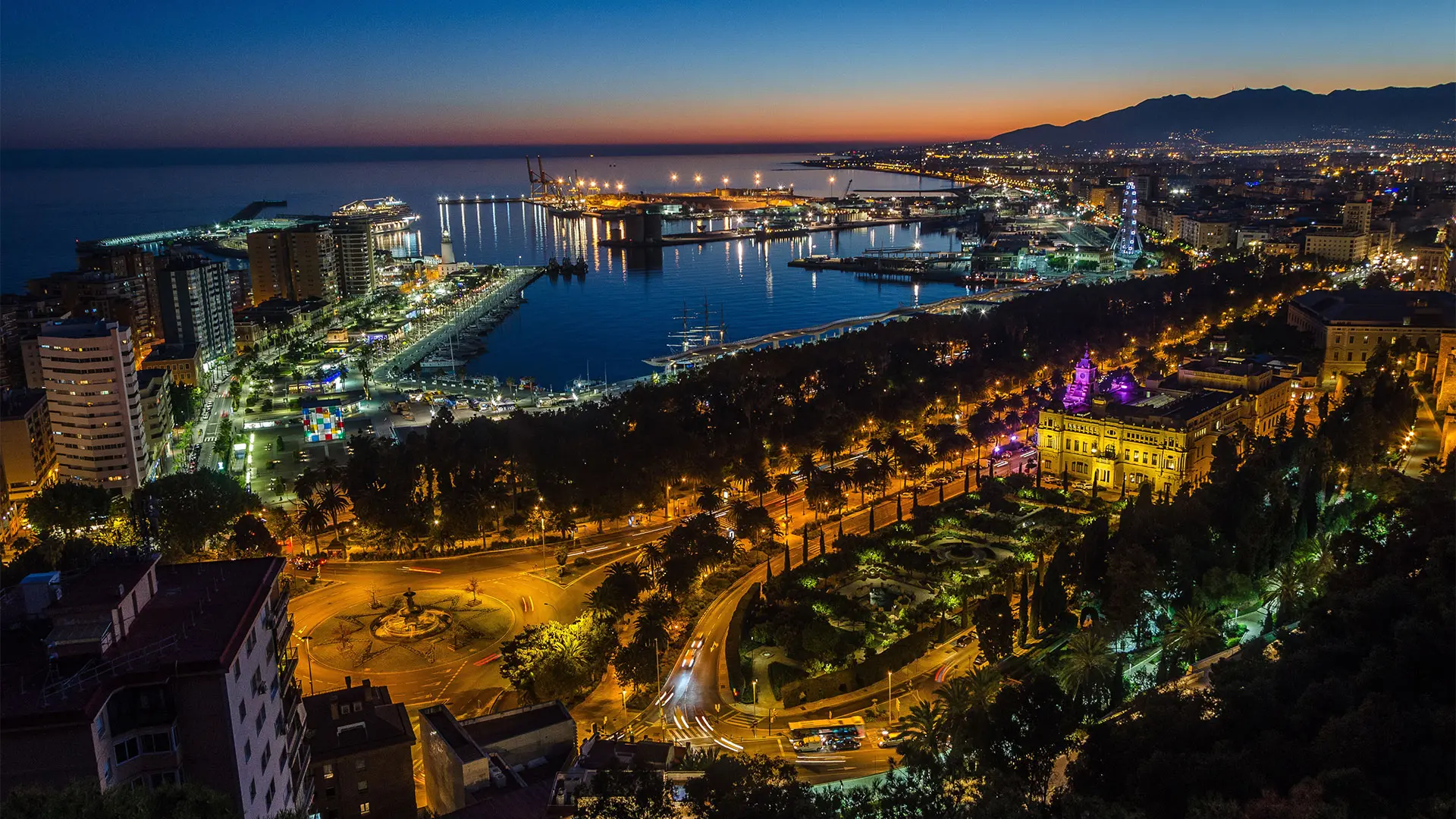
Set on a wide, south-facing horseshoe bay framed by the Cantabrian mountains, Santander has long been a summer retreat for Spaniards who prefer sea breezes over scorching heat. What has brought international attention for 2027, however, is a remarkable concentration of new and reimagined art spaces along its waterfront.
- Faro Santander: Housed in the grand neoclassical former headquarters of Banco Santander on the Paseo de Pereda, this newly opened cultural space brings more than a thousand works, including pieces by El Greco, Goya, Rubens, and Velázquez, to the edge of the bay.
- Centro Botín: Just along the promenade, Renzo Piano’s cantilevered glass-and-ceramic building remains the architectural anchor of the harbour, pairing international contemporary exhibitions with sweeping views across the water.
- MUPAC: The relocated Museum of Prehistory and Archaeology of Cantabria gives context to a region famous for Paleolithic cave art, tracing human history from ancient bone carvings through to the Iron Age.
Between gallery visits, Santander rewards an unhurried pace. You can walk from the formal gardens of Pereda out toward the Magdalena Peninsula, once the summer residence of the Spanish royal family, or continue along the sandy sweep of El Sardinero beach. In the evening, the city’s gastronomy leans heavily on the Cantabrian Sea: rabas (lightly battered squid), local anchovies from nearby Santoña, and crisp white wines from the surrounding valleys.
León: Gothic light and after-dark conviviality
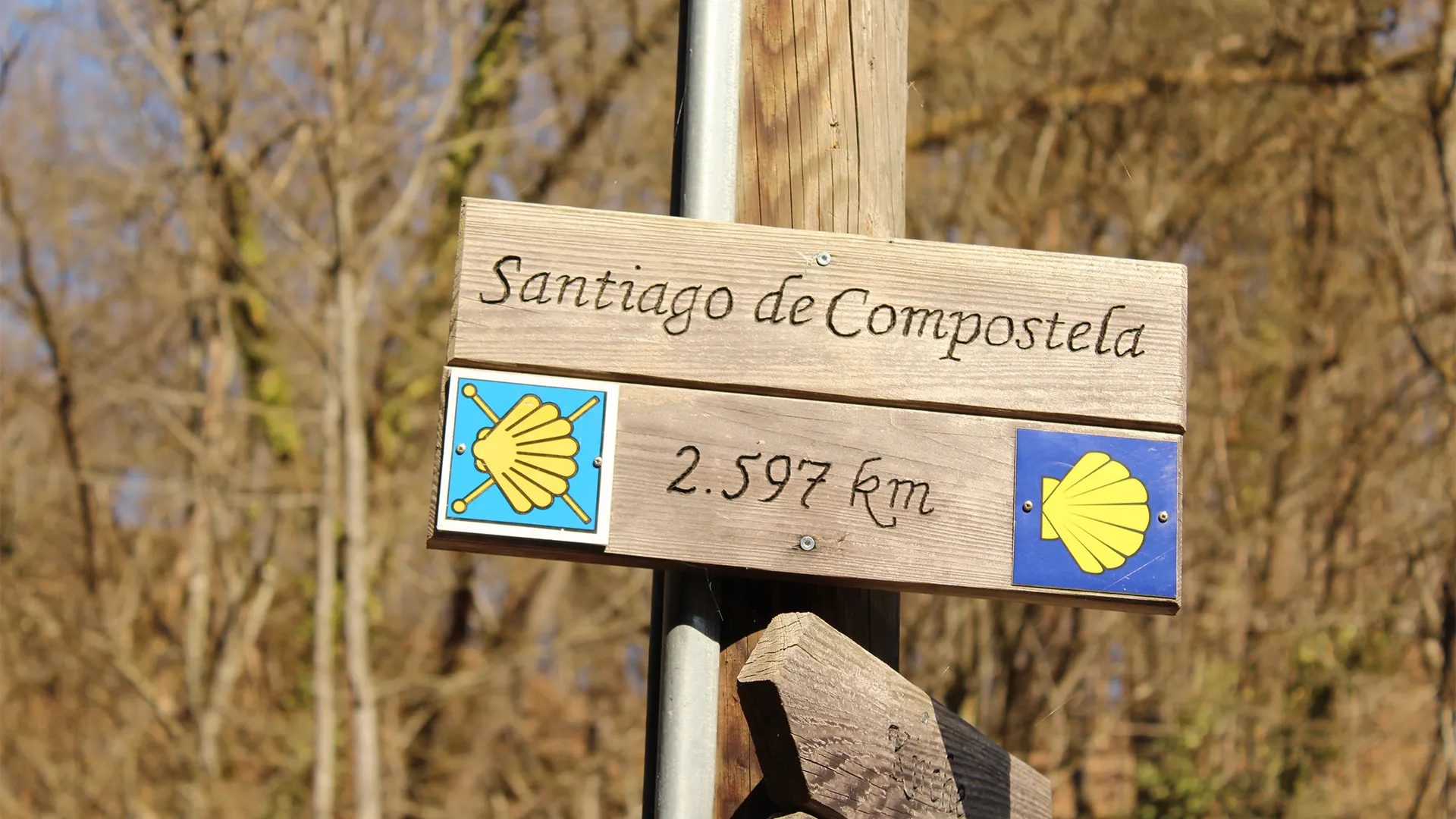
Cross the Cantabrian Mountains south into Castilla y León, and the maritime air gives way to the high plateau and one of Spain’s most rewarding historic cities. León is a key stop on the Camino de Santiago, which gives its streets a gentle, outward-looking rhythm, yet it remains compact enough to explore entirely on foot.
Its architectural pedigree spans centuries within a few hundred metres:
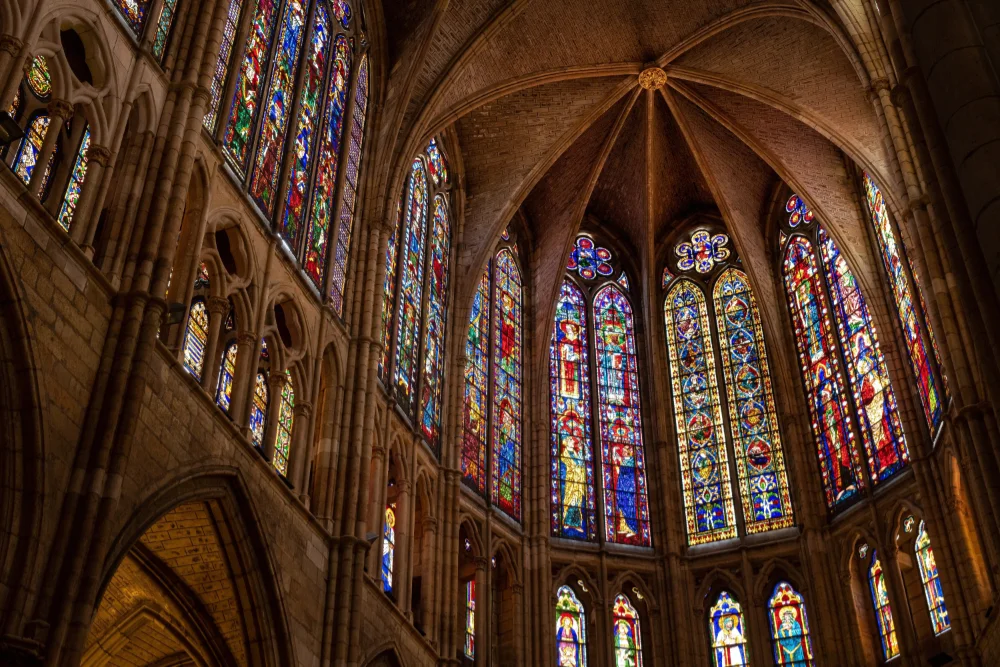
- León Cathedral: Known as the Pulchra Leonina, this 13th-century Gothic masterpiece is defined less by heavy stone than by light, boasting nearly 1,800 square metres of original medieval stained glass.
- Basilica of San Isidoro: Home to the Royal Pantheon, whose 12th-century Romanesque frescoes are remarkably preserved; often referred to as the Sistine Chapel of Romanesque art.
- Casa Botines: One of only three buildings Antoni Gaudí designed outside Catalonia, bringing a fairytale Neo-Gothic silhouette to the centre of town.
Once the monuments close, it’s time to discover León’s gastronomy in the narrow lanes of the Barrio Húmedo and the adjacent Barrio Romántico. Ordering a glass of local Bierzo Mencía or Prieto Picudo wine still arrives with a complimentary tapa, ranging from cured cecina (air-dried beef) and Morcilla de León to slow-cooked stews.
Connecting the dots across northern Spain – and beyond
Part of the appeal of pairing Santander and León lies in how effortlessly they link into a wider journey. From León, high-speed rail connects directly back to Madrid in just over two hours, while driving west leads into the Bierzo wine region and Galicia. From Santander, the coastal road runs east past fishing ports and dramatic cliffs straight into the Basque Country, placing Bilbao, San Sebastián, and the French border within easy reach.
A northern itinerary also lends itself naturally to longer overland adventures, such as crossing the Pyrenees into south-west France for Bordeaux and the Dordogne, or continuing east along the Mediterranean toward Italy.
Planning your 2027 journey
The best travel in Spain rarely comes from rushing between headline sights; it comes from understanding how a place works, meeting the people behind its kitchens and cellars, and giving each stop enough room to breathe. Whether you are considering northern Spain for the first time, combining Santander and León with a return to Andalucía, or mapping out a broader European route through France or Italy, our team can design a private, tailor-made itinerary shaped around your interests.
Get in touch with TOMA & COE to start planning your 2027 holiday.