Why Andalucía is made for the way you want to travel
Travel is always changing. The emerging Andalucía travel trends for 2027 point towards something more considered: journeys shaped by curiosity, personal interests and a desire to understand the places we visit. Travellers are looking beyond familiar itineraries, allowing more time for discovery and choosing experiences that give a destination greater meaning.
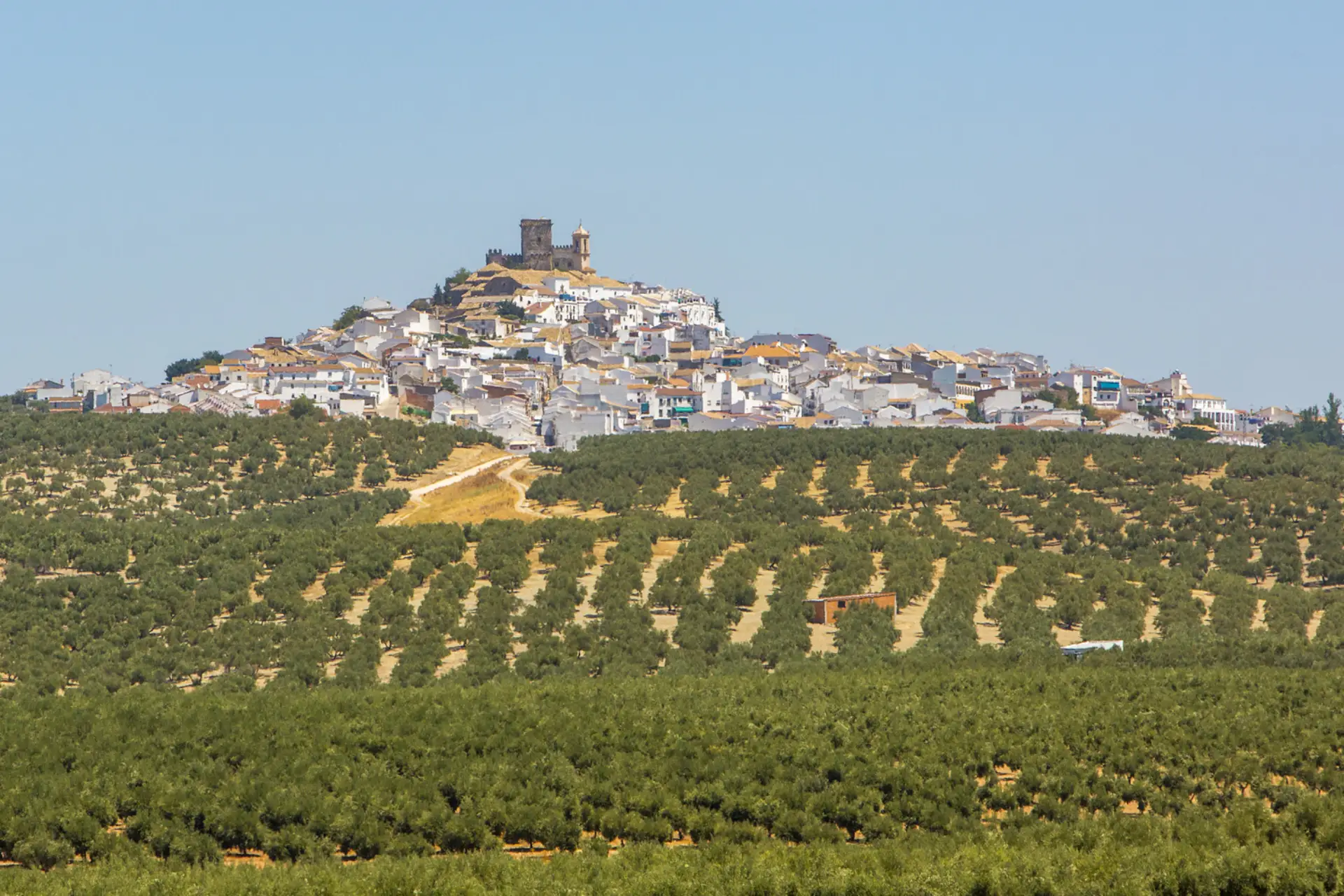
Several major travel industry reports are identifying this shift. Skyscanner’s Travel Trends 2027, for example, highlights the rise of Grand Odysseys: journeys through landscapes, history and places with a compelling story. Booking.com points towards more personalised experiences, while Hilton’s 2027 trends research identifies growing interest in personal development, trusted travel advice and a more relaxed approach to getting away.
For Andalucía, these developments present an exciting opportunity. Few regions offer such a rich combination of ancient history, living traditions, distinctive landscapes and culinary heritage. For those considering cultural holidays in Andalucía or a more individual approach to exploring Spain, the region offers considerable scope for journeys that go beyond the familiar highlights.
At TOMA & COE, our understanding of Andalucía comes from years of exploring the region, working with its communities and developing experiences alongside knowledgeable local guides and specialist providers. As a specialist travel company in Spain, we see these emerging trends reflected in the interests of travellers looking for something more personal, considered and connected to the places they visit.
Here are five travel trends we believe will shape the year ahead, and how they could influence the way people discover southern Spain.
1. The Grand Odyssey: travelling through history
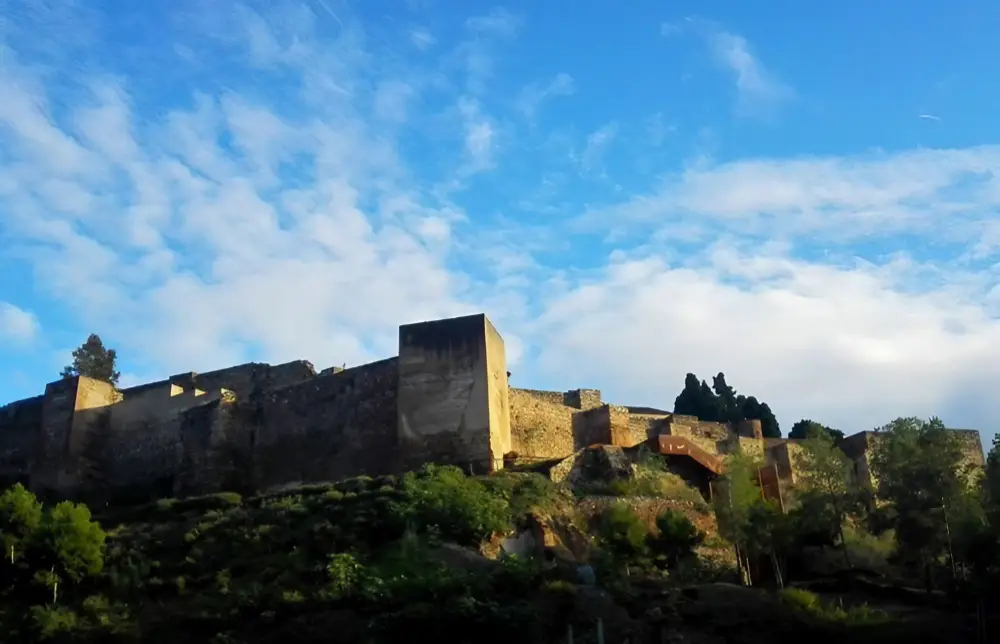
One of Skyscanner’s most interesting predictions for 2027 is the Grand Odyssey. Rather than concentrating on a single destination, travellers are increasingly drawn to journeys that connect places through a shared historical, cultural or geographical story.
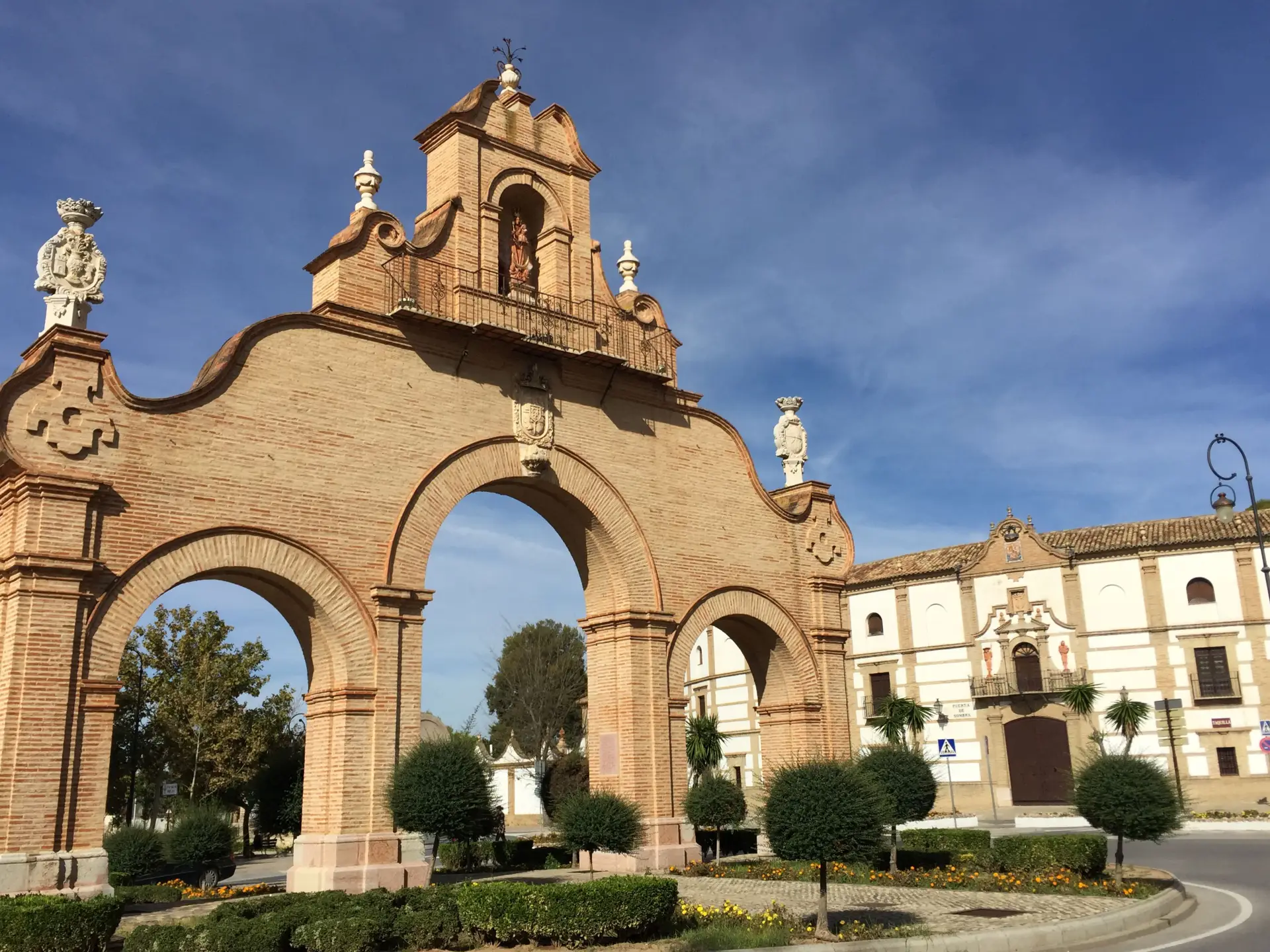
Andalucía is particularly well suited to this approach. Its history spans Phoenician settlements, Roman Hispania, the Islamic dynasties of Al-Andalus and the Christian kingdoms that followed. Their influence remains visible in the region’s architecture, urban landscapes, food and traditions.
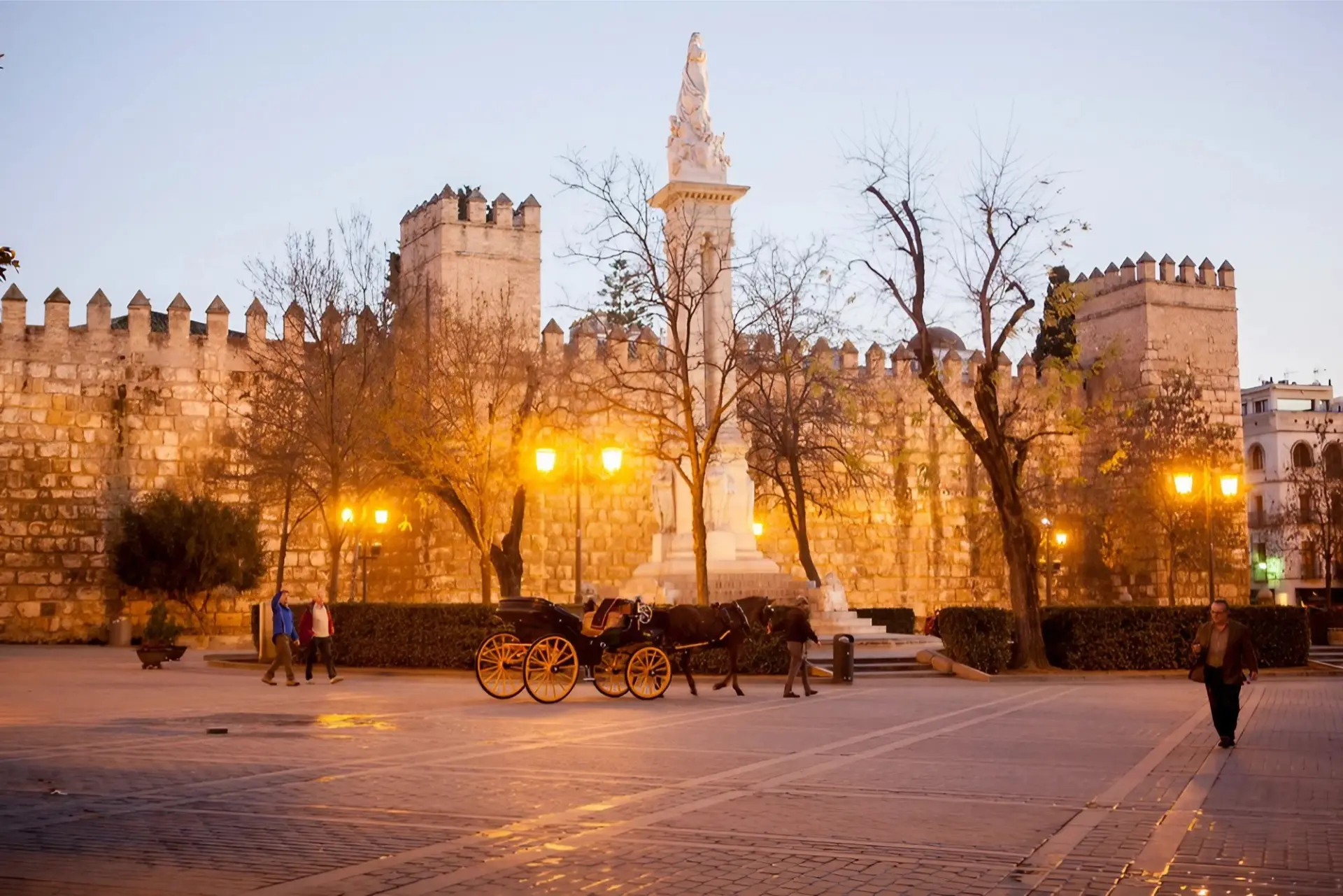
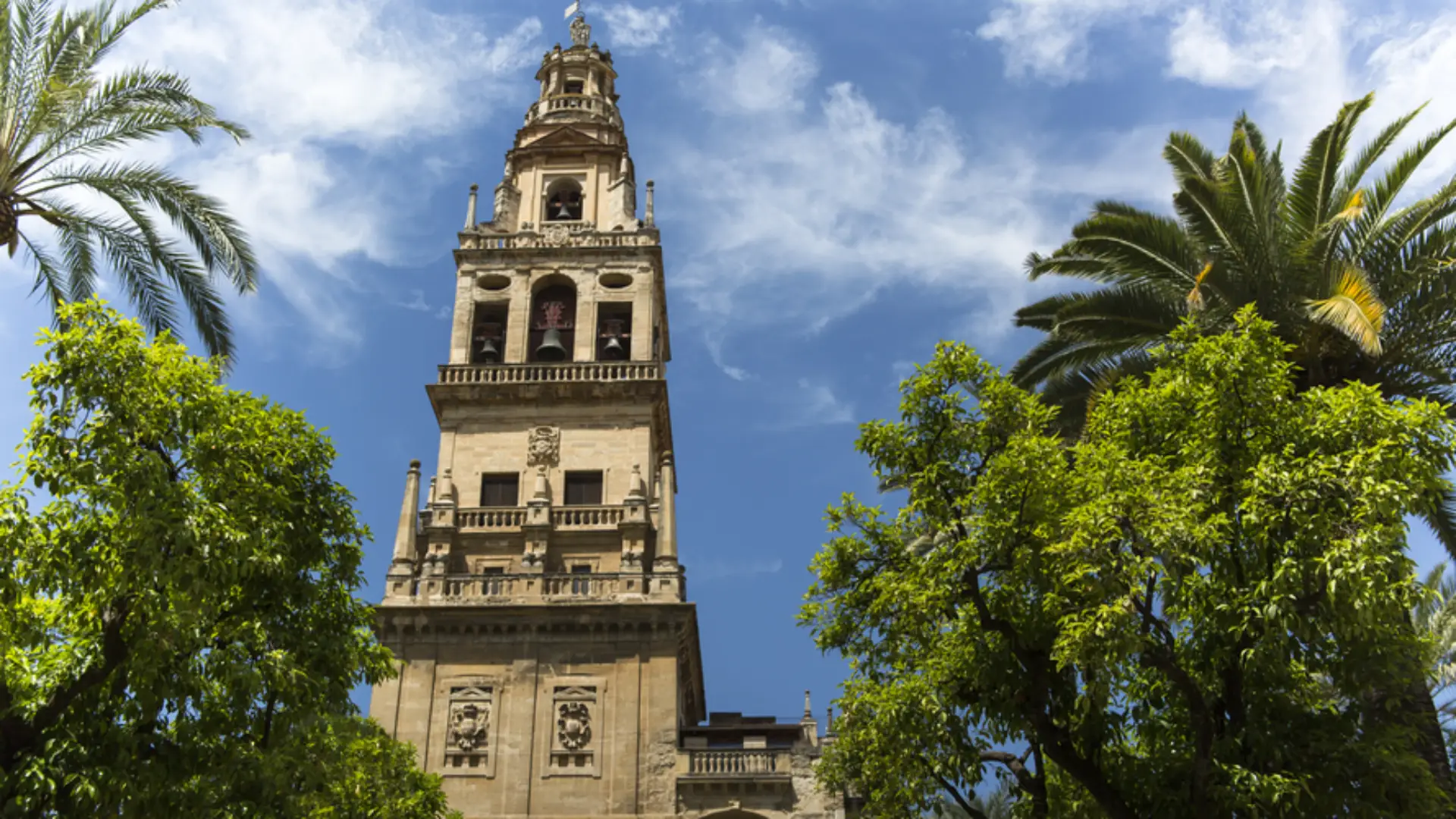
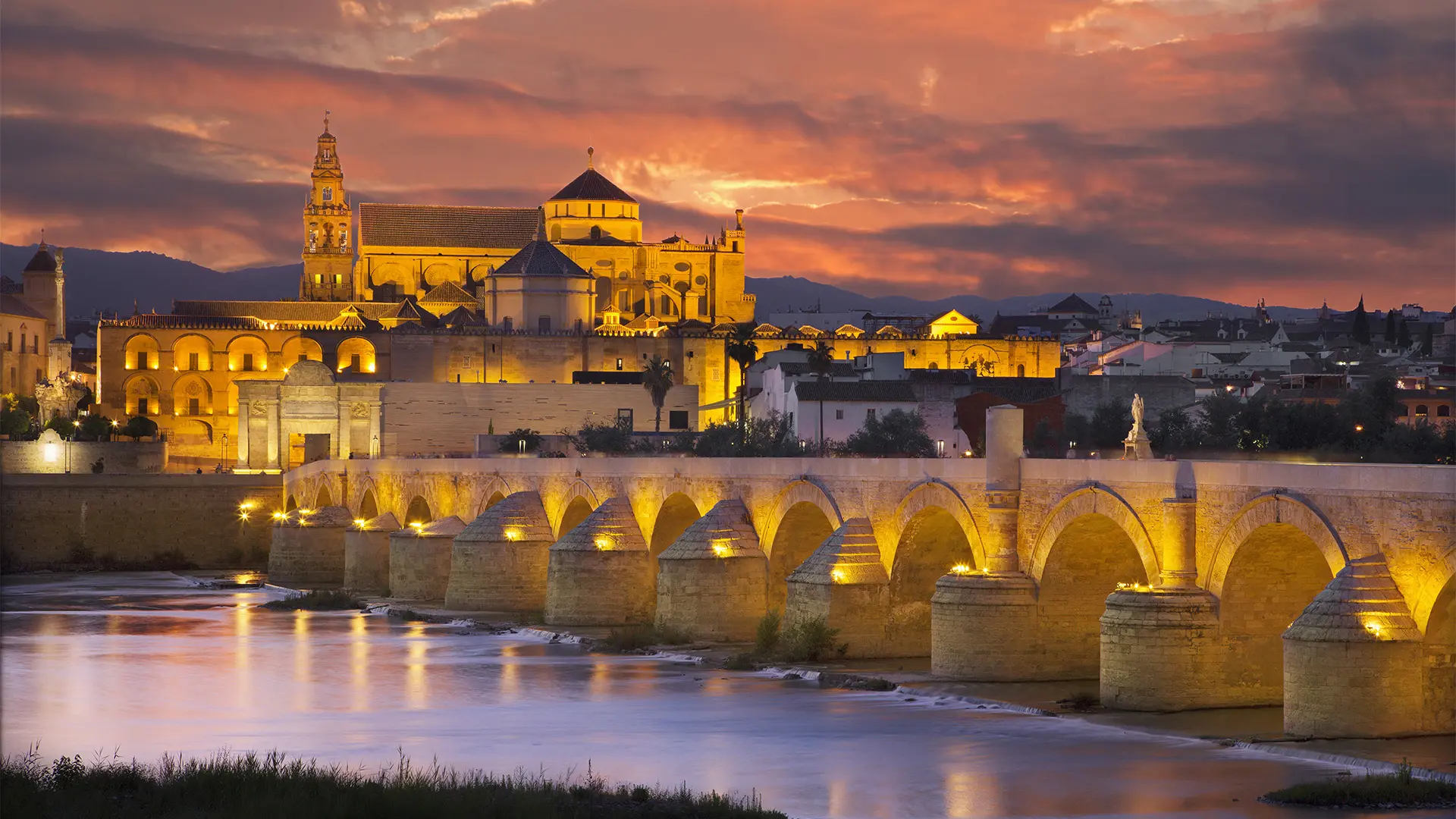
A journey might begin in Málaga, exploring its Phoenician and Roman foundations, before heading inland to Córdoba, where the former Caliphate capital offers a remarkable insight into medieval Islamic scholarship and architecture. Seville brings another layer of history, from its Roman origins to its importance during Spain’s imperial period. Further east, Granada’s Alhambra provides an extraordinary insight into the final centuries of Muslim rule in the Iberian Peninsula.
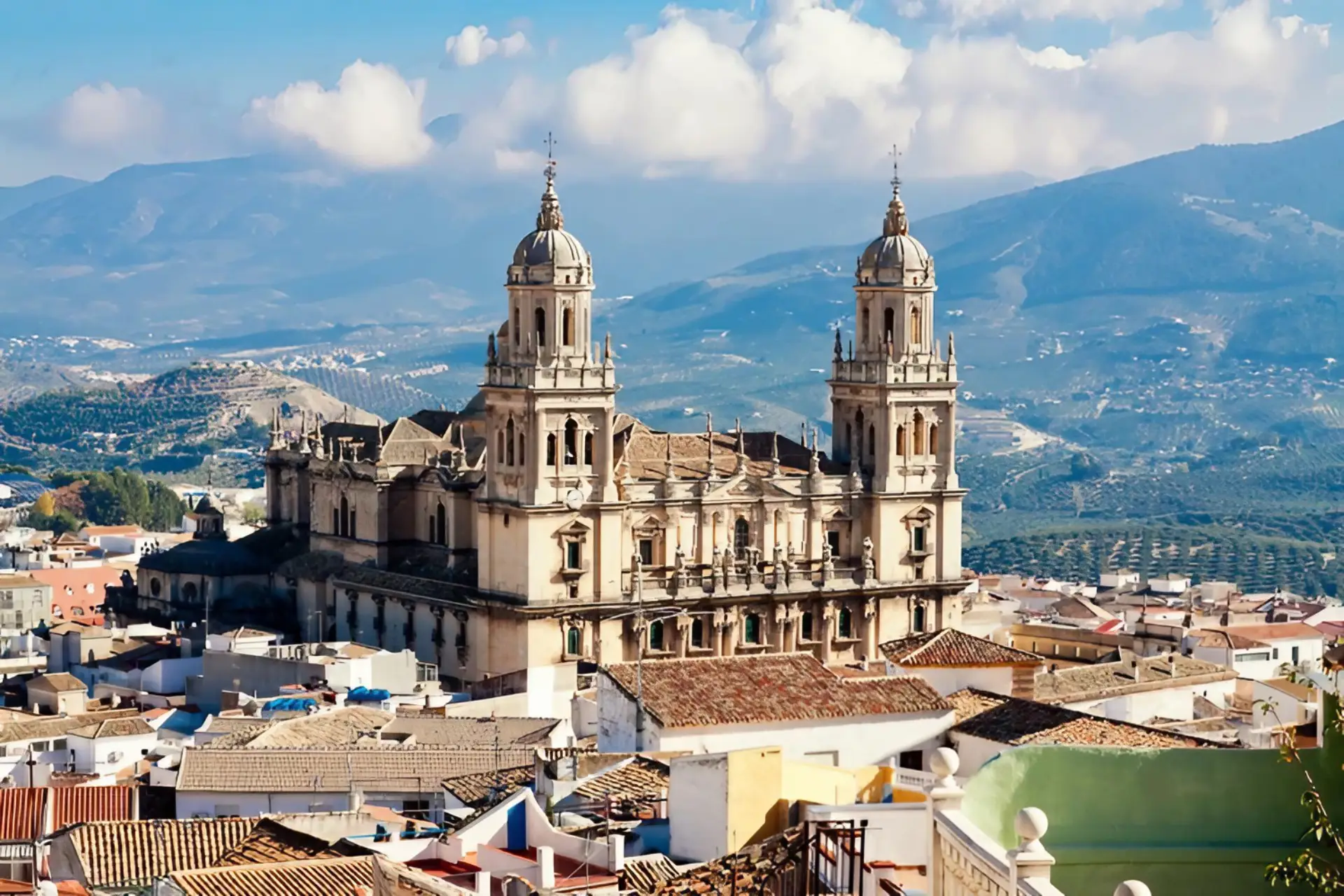
For travellers with a deeper interest in history, the journey could extend into the landscapes of Jaén, with its Renaissance towns and extraordinary concentration of olive groves, or towards Cádiz, where maritime history sails across the ages.
The Grand Odyssey is less about covering ground and more about understanding the connections between places. A carefully designed journey allows each destination to contribute to a much bigger story. It is an approach with considerable potential for bespoke cultural holidays in Spain, particularly for those who want to explore its history in greater depth.
2. Cultural immersion: going beyond the familiar
Cultural immersion continues to feature prominently in travel predictions, with travellers looking for meaningful encounters and a better understanding of the places they visit.
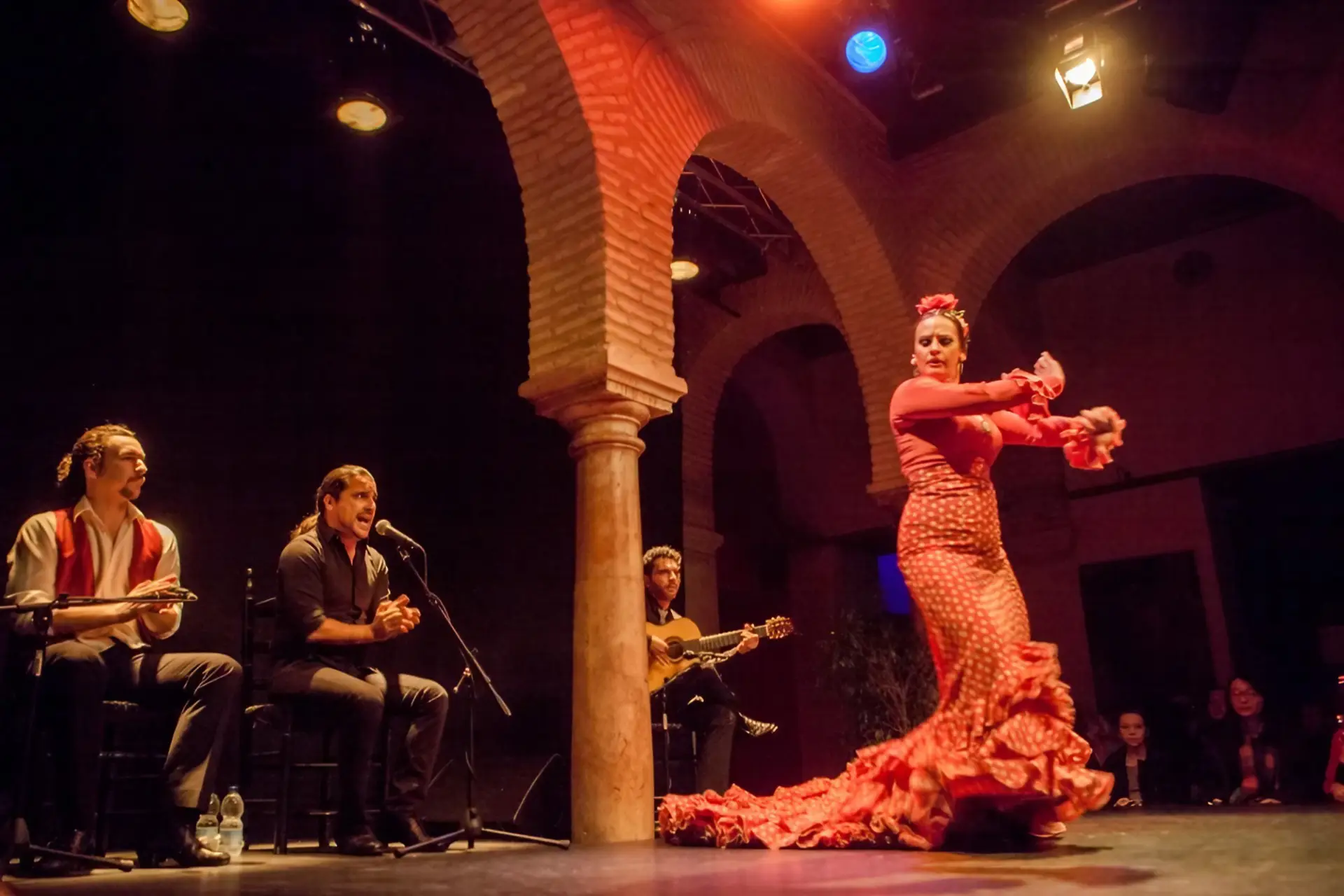
In Andalucía, culture is woven into everyday life. It can be found in the workings of a traditional olive mill, the rhythms of a flamenco performance, the architecture of a whitewashed village or the knowledge passed between generations of artisans.
There are many ways to explore this side of the region. In Jerez, sherry production offers an insight into centuries of agricultural and commercial history. In Córdoba, the city’s patios reveal an enduring relationship between architecture, climate and domestic life. In Granada, the influence of Al-Andalus extends well beyond the Alhambra, shaping neighbourhoods, crafts and culinary traditions.
Food provides an important route into local culture. A visit to a family-run producer, a private tasting with a knowledgeable specialist or an introduction to the region’s olive oil heritage can offer a much richer understanding than simply dining at a restaurant.
These are the kinds of cultural experiences in Spain that allow travellers to develop a genuine connection with a destination. The difference lies in the people who bring them to life. Local knowledge, access and thoughtful introductions can turn an interesting visit into a genuinely memorable encounter.
3. Slow travel: making time for Andalucía
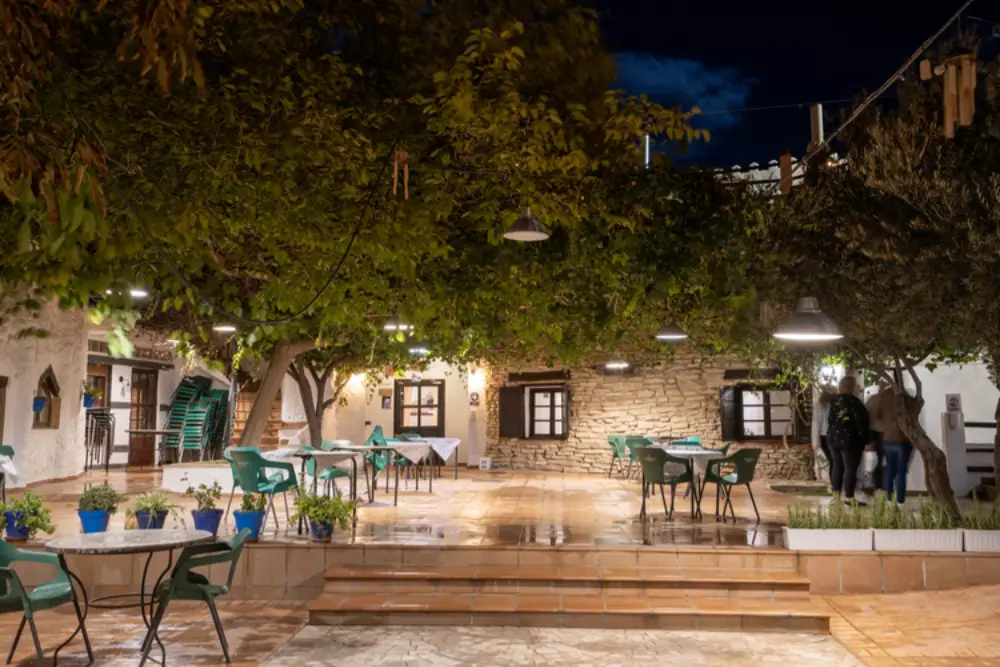
The appetite for slower, more considered travel is another recurring theme in the 2027 predictions. Rather than trying to see as much as possible, travellers are increasingly interested in spending longer in fewer places.
This approach makes particular sense in Andalucía. The region is geographically diverse, and travelling between its cities, mountain ranges, coastal areas and rural communities reveals very different aspects of its character.
Instead of attempting to visit Seville, Córdoba, Granada and Málaga in a tightly packed schedule, a slower journey might allow several nights in one location, with carefully chosen excursions into the surrounding countryside.
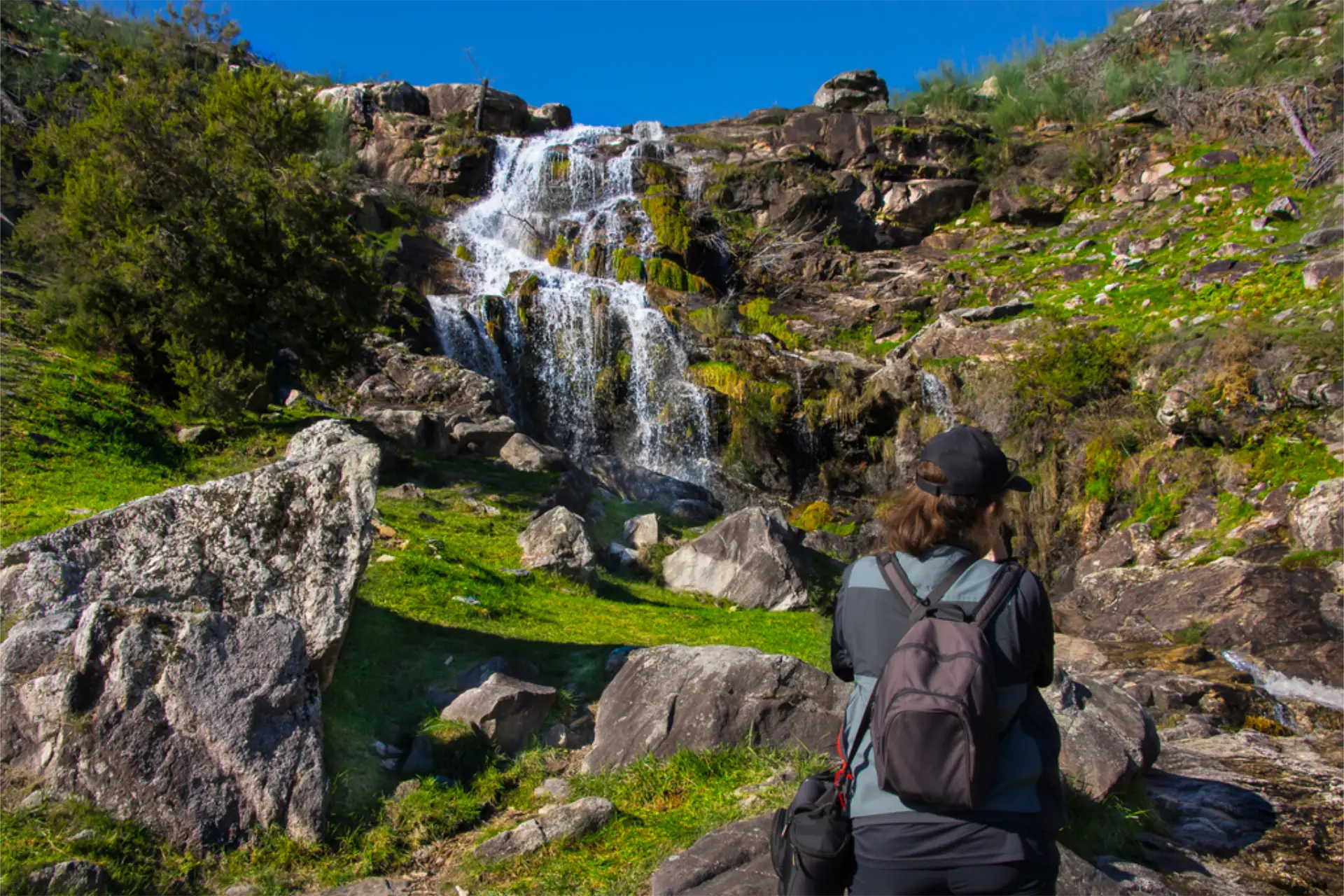
The landscapes around Ronda, for example, provide opportunities to explore traditional villages, historic estates, vineyards and mountain scenery. The Alpujarras, on the southern slopes of the Sierra Nevada, offer a different perspective, with their distinctive villages, agricultural terraces and long-established traditions.
Taking time also creates opportunities for spontaneous discoveries. A conversation with a local producer, an unplanned stop at a village market or a longer lunch can become as memorable as the major attractions.
Slow travel in Andalucía does not necessarily mean travelling less. It means allowing enough time to appreciate where you are. For travellers seeking experiential holidays in Spain, this can make a considerable difference to the overall journey.
4. Interest-led travel: letting personal passions shape the journey
Another significant development is the growth of travel organised around individual interests. Food, architecture, photography, walking, history and the arts are increasingly becoming the starting point for choosing a destination.
Andalucía offers considerable scope for this kind of specialist travel.
For food enthusiasts, the region’s culinary traditions extend from the seafood markets and sherry bodegas of the west to the interior olive oil estates of Jaén and Córdoba. Those interested in architecture can explore everything from Roman remains and Renaissance palaces to Moorish fortifications and contemporary design.
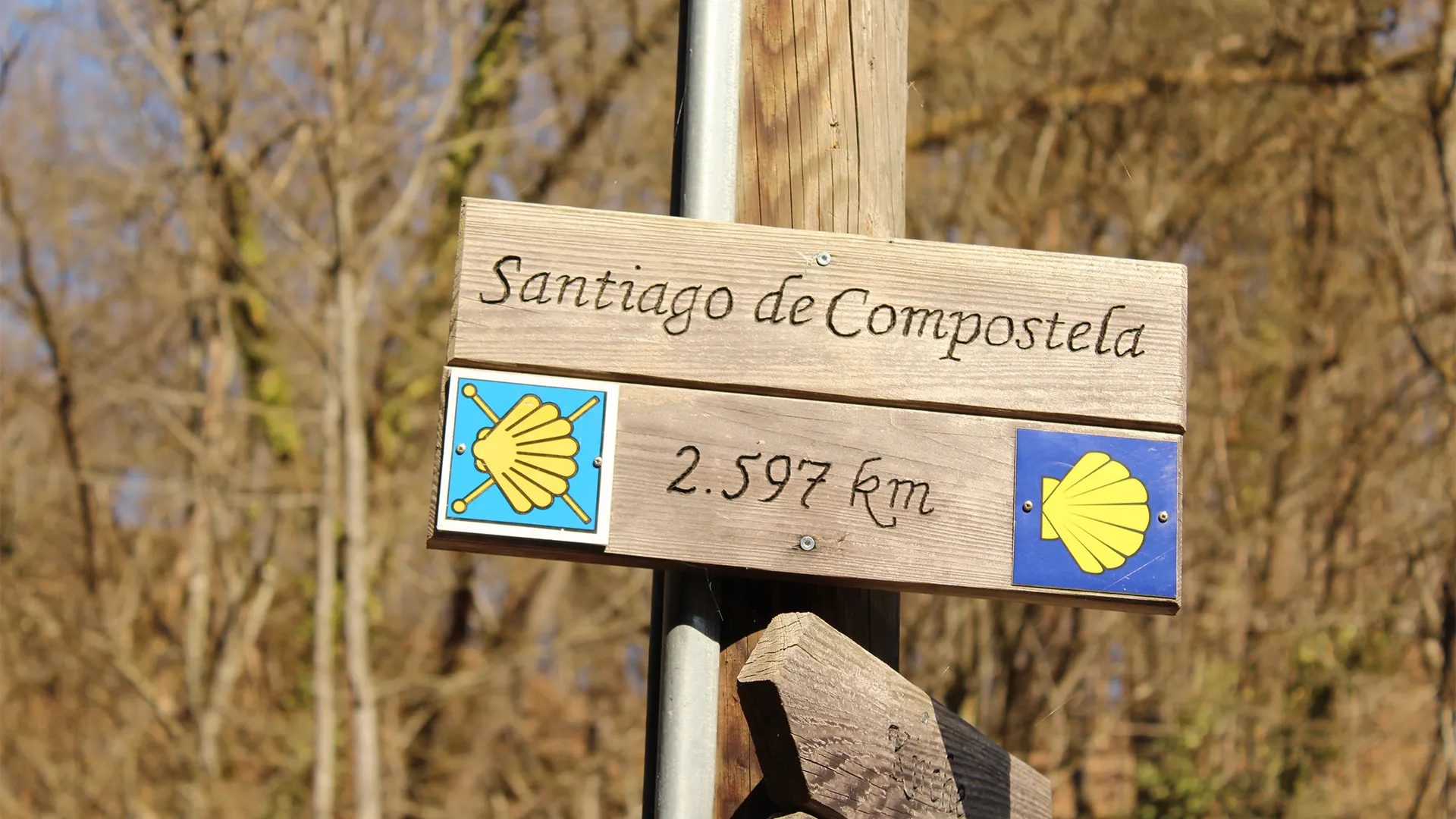
Walkers can follow historic routes, while those interested in religious and cultural history can explore the region’s churches, monasteries, Jewish and Muslim influences, pilgrimage routes and centuries-old traditions.
For travellers with an interest in photography, Andalucía’s changing light, dramatic landscapes and architectural contrasts provide an extraordinary range of subjects.
The advantage of interest-led travel is that it can be built around what matters most to the traveller. Rather than following a standard itinerary, the experience develops around a particular passion, with the right locations, specialists and experiences brought together to support it.
This is where bespoke Andalucía trips offer value. A journey designed around a traveller’s interests can bring together experiences that might otherwise remain separate, creating a more cohesive and rewarding way to explore the region.
5. The value of human expertise in an AI-driven travel world
Artificial intelligence is changing how people research and organise holidays. It can compare destinations, suggest routes and generate itineraries in seconds. Yet the growing use of technology is also bringing renewed attention to the value of trusted human advice.
Hilton’s 2027 trends research identifies trust and human expertise as important considerations for travellers. For more complex journeys, particularly those involving multiple destinations and specialist experiences, local knowledge remains essential.
Knowing how long to spend in a particular place, which routes work best, when to visit a historic site and which local specialists can bring a subject to life requires more than access to information.
In Andalucía, this knowledge can make a significant difference. The region’s distances, seasonal variations, local traditions and varied landscapes all influence how a journey should be planned. A well-designed itinerary needs to take these details into account, while leaving enough flexibility for the unexpected.
For anyone considering a specialist travel company in Spain, the value lies in the experience and relationships behind the itinerary. Knowing the region, understanding its cultural context and working with trusted local providers all contribute to a journey that is both well organised and individual to the traveller.
Technology can help travellers discover possibilities, but experienced people make the connections that turn those possibilities into a coherent journey.
Andalucía in 2027: a region with more to discover
The emerging travel trends for 2027 point towards a more individual approach to exploring the world. Travellers want journeys that reflect their interests, offer a deeper understanding of a destination and leave room for experiences that cannot easily be replicated elsewhere.
Andalucía has all the ingredients. Its historical depth, distinctive regional identities, landscapes and living cultural traditions offer endless possibilities for journeys that combine discovery with comfort, expertise and a sense of place.
For those considering luxury travel in Andalucía, the region offers considerable scope beyond the established city highlights. From private cultural experiences and culinary discoveries to rural landscapes and historic routes, there are many ways to create a journey that reflects individual interests and priorities.
At TOMA & COE, we create tailor-made experiences that bring these elements together, whether that means following the history of Al-Andalus, exploring Andalucía’s culinary heritage, discovering its rural landscapes or combining several interests into one carefully planned journey.
The question for 2027 is not simply where to go, but what you want to discover along the way.
Explore Andalucía with TOMA & COE: Discover our approach to specialist travel or talk to us about creating a bespoke journey.