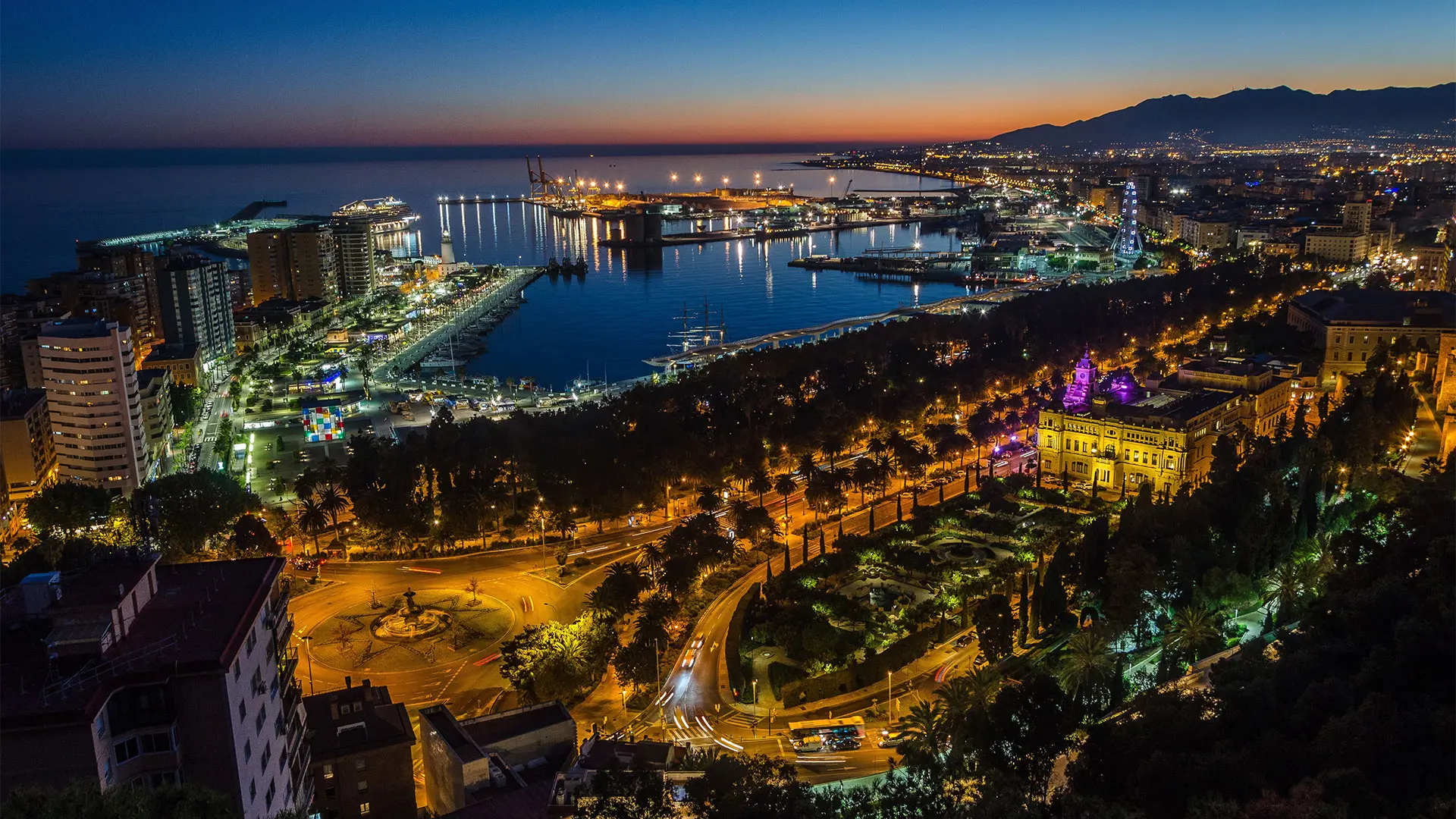
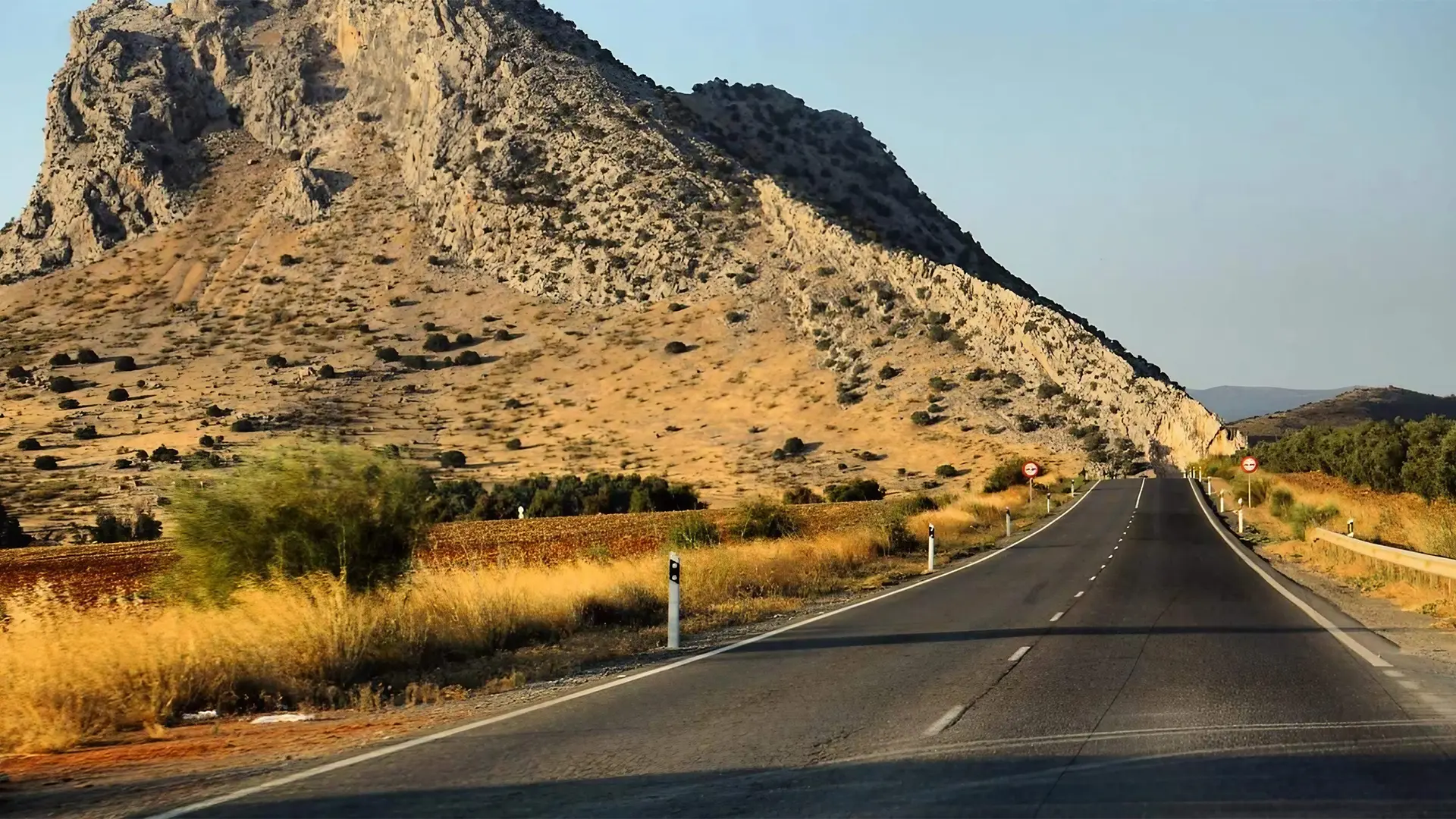
Explore the back roads of Spain’s wonderful regions
The motorway will get you there faster. But it will not show you the stork nesting on a ruined chapel in Extremadura, the shepherd crossing the road outside Sigüenza, the castillo you never expected to find at the end of a dust track in La Mancha. These journeys are built for people who understand that the journey is just as important as the destination.
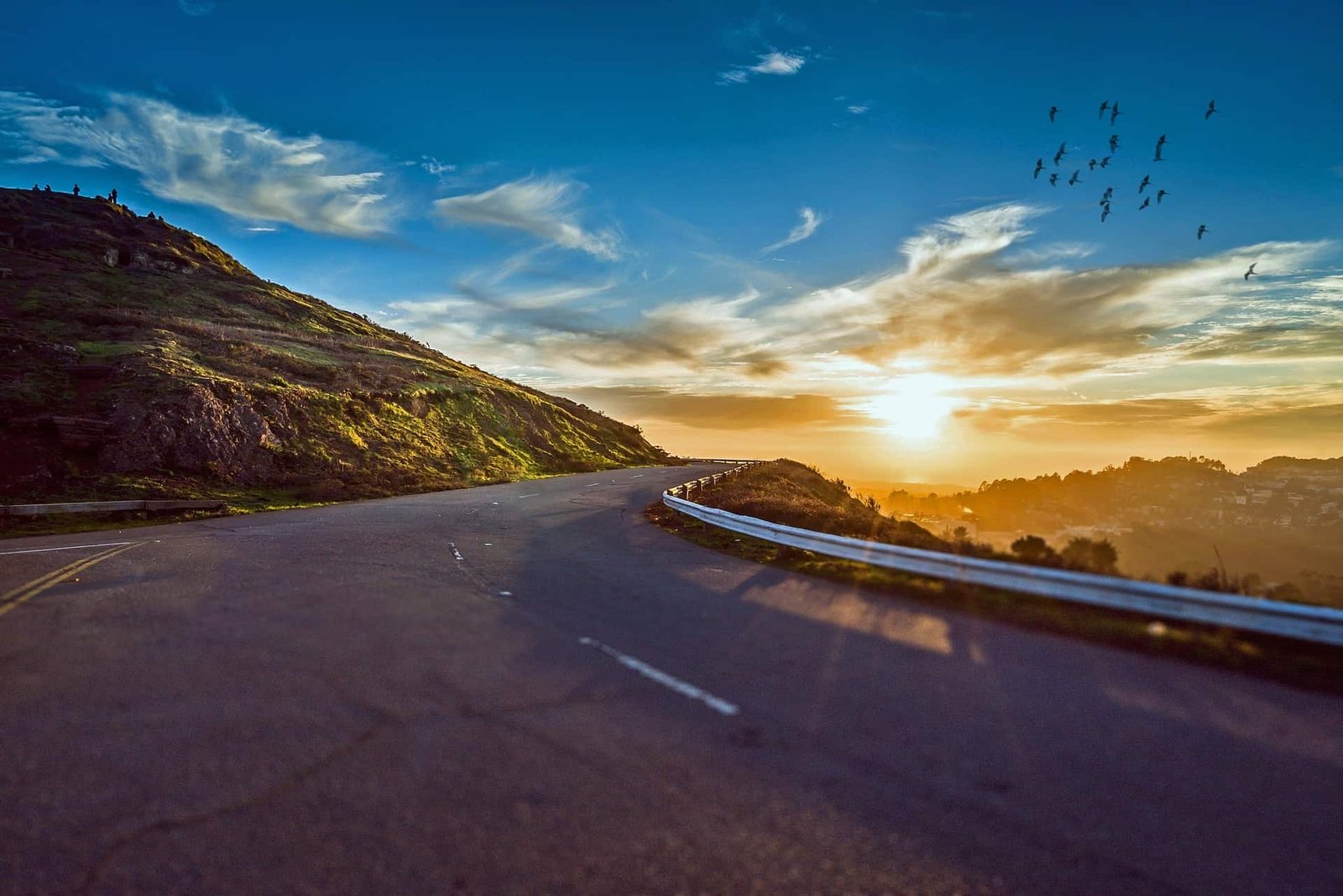
Spain is one of Europe’s most diverse and least-driven countries. Away from the autovias, it opens into something altogether more extraordinary: ancient drovers’ roads, empty mesetas, mountain passes used by Roman legions, oak forests where pigs meander in search of acorns.
The Paradores are a network of state-owned hotels across the country. We use them as the anchors of our road trip itineraries – you know you’re going to receive superb hospitality and in most cases in historic buildings.
Below are just some ideas for road trips across the quiet lands of Spain. We plan these journeys road by road, hotel by hotel, all tailored to your preferences.
The Journeys
01 Castilla-La Mancha
The Quijote Country
Windmills, wine, and the vast tilted plain
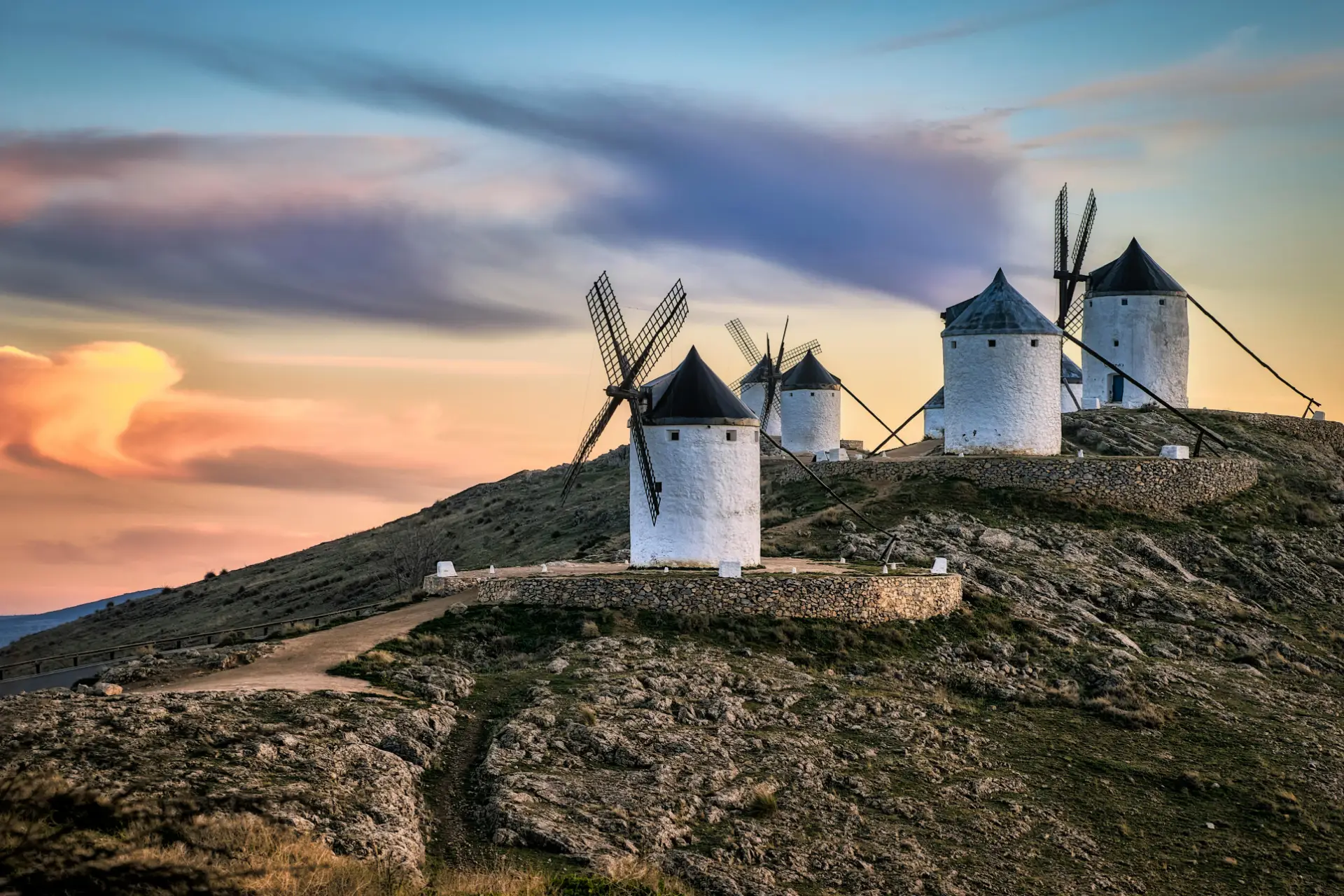
There is nowhere in Spain quite like the Castilian plain in golden hour. The light is flat and merciless, the horizon impossibly wide, and the white windmills of Consuegra turning slowly against a cobalt sky. It is a landscape that feels like it belongs to another century, because largely it does.
We take you off the main roads through the vine country of Valdepeñas, past the walled city of Almagro with its extraordinary Renaissance theatre still in use, and into the forgotten villages of the Campo de Montiel where Cervantes himself was said to have wandered. No tour buses.
- Windmills and castle of Consuegra at dawn
- Almagro’s 17th-century Corral de Comedias
- Bodegas and wine cellars of Valdepeñas
- Lagoons of Ruidera Natural Park
- Villanueva de los Infantes — Cervantes country
- Cave houses of Alcázar de San Juan
Parador recommendation Parador de Almagro, a converted 16th-century Franciscan convent built around sixteen interior patios. One of Spain’s most characterful stopovers and rarely crowded.
Duration: 5–7 days Terrain: Flat meseta, vineyard country Best for: History, literature, wine
02 Extremadura
The Forgotten Interior
Conquistadors, storks, and the world’s finest ham
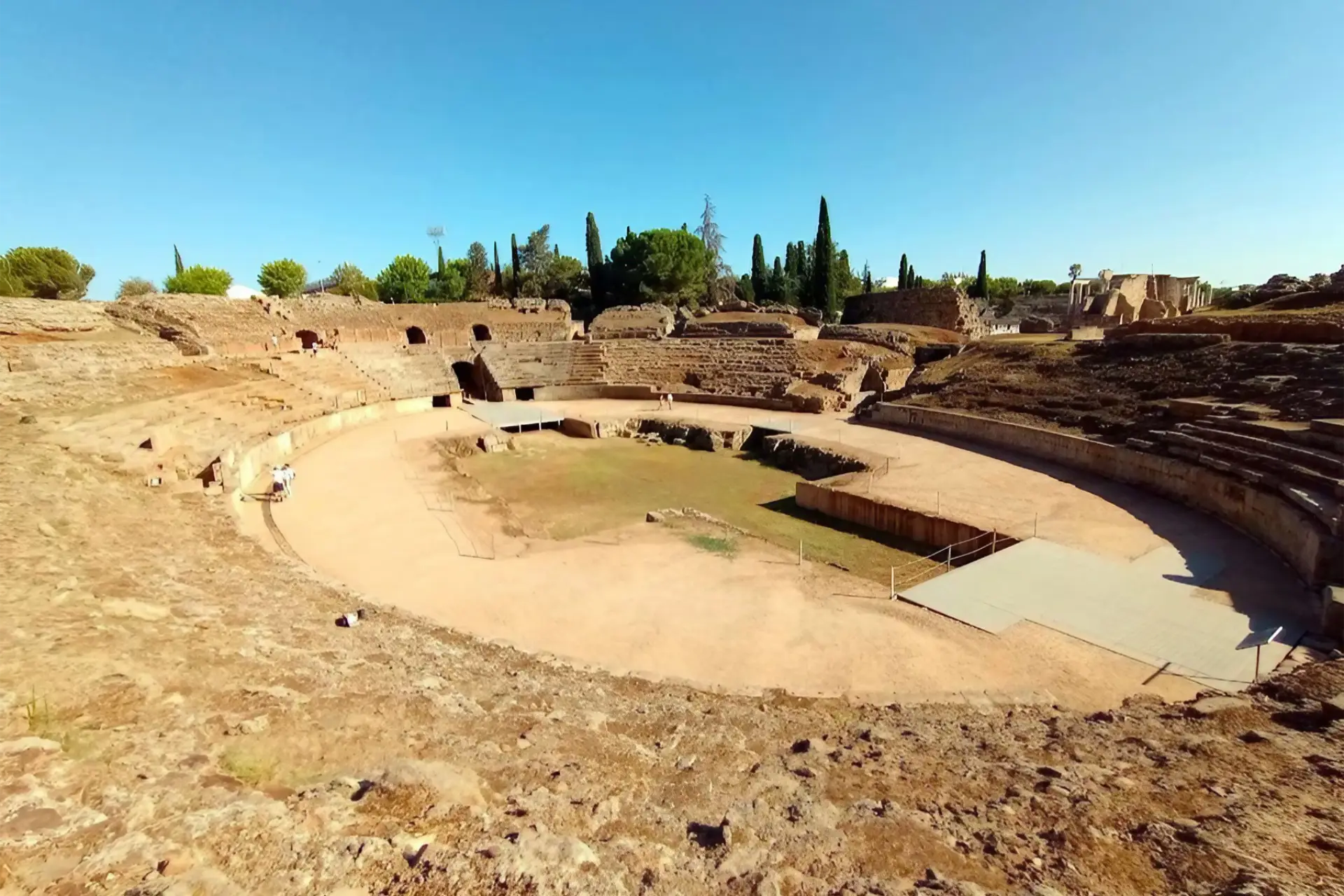
Extremadura is Spain’s most overlooked region and, for those who find their way to it, perhaps its most unforgettable. It sent more conquistadors to the Americas than any other province — Cortés, Pizarro, Orellana, de Soto all came from these small, sun-bleached towns. Their New World gold built some of the finest Renaissance architecture on the Iberian peninsula.
Beyond Cáceres and Mérida lies a landscape of Dehesa, vast wooded pasture of holm oak and cork, where black Iberian pigs roam beneath the trees producing the finest jamón in Spain. The roads here are quiet. The white storks are everywhere.
- Cáceres old town — entirely medieval, UNESCO-listed
- Mérida‘s Roman theatre and amphitheatre
- Trujillo — birthplace of Francisco Pizarro
- Guadalupe monastery — Spain’s great hidden pilgrimage site
- Jerte Valley in cherry blossom (March) or autumn gold
- Dehesa country and ibérico pig farms near Montánchez
Parador recommendation Parador de Cáceres is a 14th-century palace in the heart of the monumental old city.
Duration: 6–8 days Terrain: Rolling dehesa, river valleys Best for: History, solitude, gastronomy (particularly jamón)
03 Andalucía Interior
The White Villages and the Sierra
Beyond the coast: the Andalucía the guidebooks miss
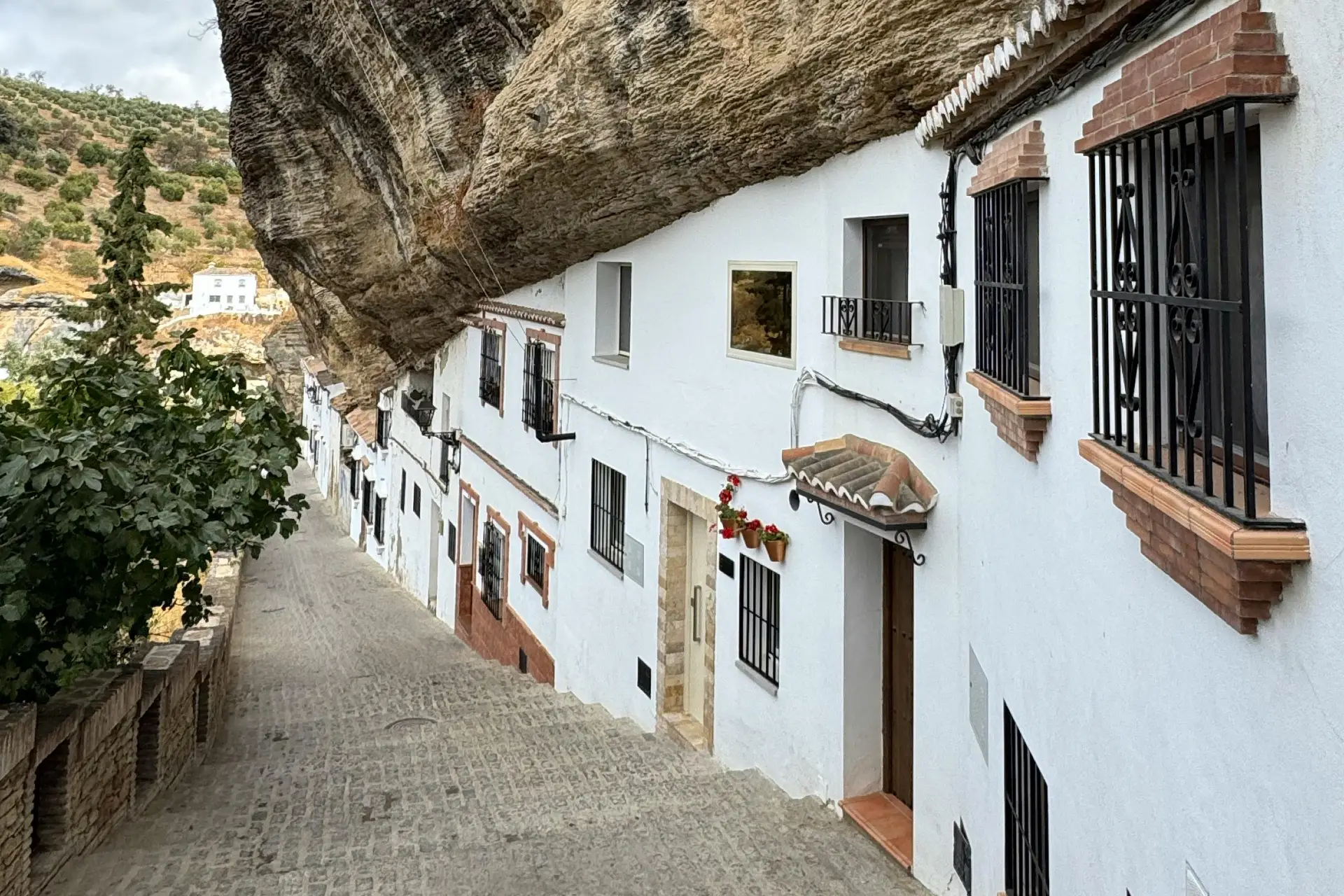
Most visitors to Andalucía follow the coast or rush between Seville, Granada, and Córdoba. The interior, the back roads through the Sierra de Aracena, the Ronda hinterland, the villages of the Subbética, is where the real country lives. These are roads where your only company is the olive groves, the occasional herd of Retinta cattle, and the distant chime of a village church.
We design journeys that thread through the white villages of the Sierra de Cádiz — Zahara, Setenil, Olvera, Algodonales — where houses are carved into rock faces and the landscape shifts from gorge to plateau with each bend. Further east, the Sierra de Cazorla, Spain’s largest protected natural area, offers pine forests, vulture colonies, and roads that corkscrew through scenery of barely believable drama.
- Ronda and the Tajo gorge — arrive by the back road from Arriate
- Setenil de las Bodegas — houses built under rock overhangs
- Olvera — white village at the end of the Vía Verde trail
- Sierra de Aracena — chestnut forests, jamón, and hidden caves
- Priego de Córdoba — Baroque architecture in a market town
- Sierra de Cazorla — Spain’s largest natural park, largely road-less
- Úbeda and Baeza — twin Renaissance towns, UNESCO, and half-empty
- Segura de la Sierra — eagle country at 1,200 metres
Parador recommendations Parador de Ronda — glass-edged terrace over the gorge. Parador de Cazorla — mountain lodge accessible only by a single winding road through the sierra. Parador de Úbeda — a Renaissance palace in the finest plaza in southern Spain.
Duration: 8–12 days Terrain: Sierra, gorge, plateau, olive country Best for: Scenery, villages, walking
04 Castilla y León
The Old Kingdom Road
Cathedrals, castles, and the Camino’s quieter paths
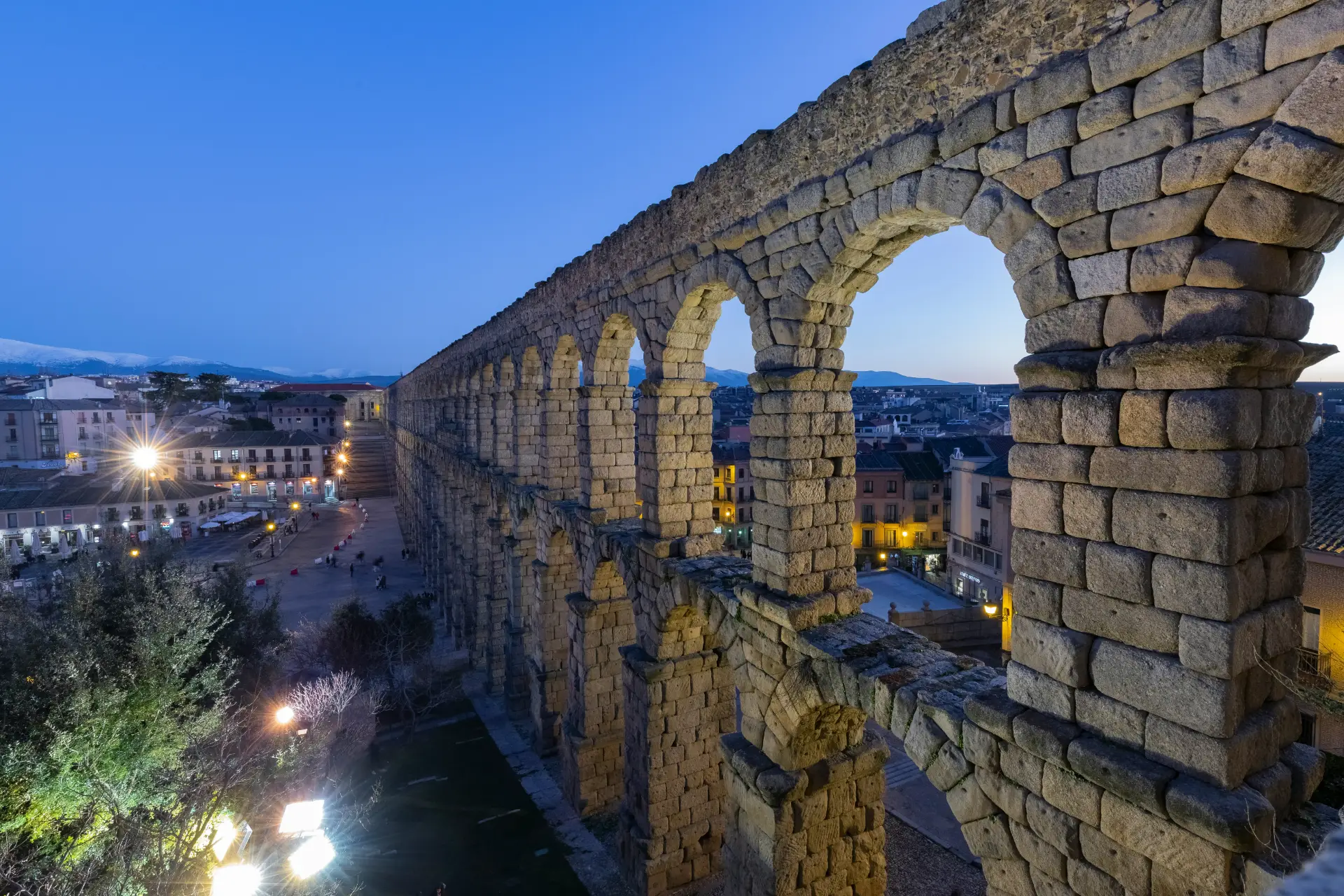
The great fortified cities of Old Castile — Ávila, Salamanca, Segovia, Zamora, Soria — are magnificent. The real revelation comes between them, on the back roads connecting villages of honey-coloured stone where Romanesque churches outnumber the inhabitants and nothing much has changed since the Reconquista.
The road from Soria south to Sigüenza, for instance, is one of the finest drives in Spain and almost nobody takes it. We build these journeys around the emptiness that defines the Castilian interior, the great absence that most travellers read as bleakness and that, properly approached, is one of the most profound landscapes in Europe.
- Salamanca’s Plaza Mayor at dusk, when the tour groups have left
- Segovia’s Roman aqueduct and the Alcázar
- Ávila — finest medieval walls in Spain, walked at sunrise
- Romanesque villages of the Camino side roads
- Soria and the canyon of the Río Duero
- Peñafiel castle and the Ribera del Duero wine villages
Parador recommendation Parador de Siguenza — a 12th-century castle-fortress, remote and deeply atmospheric.
Duration: 7–9 days Terrain: High plateau, river canyons Best for: Architecture, wine, solitude
05 Aragón & the Pyrenees
The High Passes
Mountain roads, medieval valleys, and Spain’s wildest north
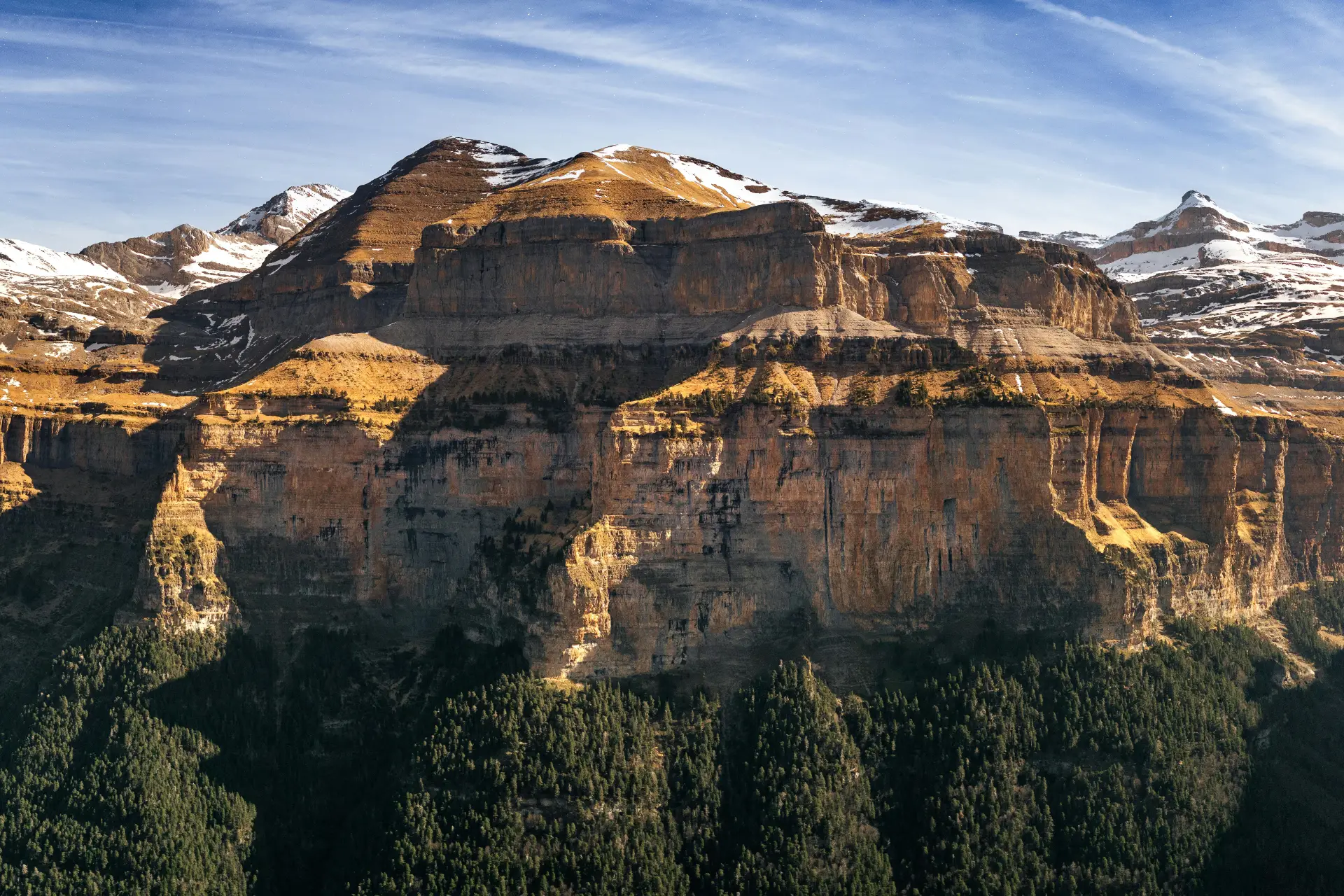
The Aragonese Pyrenees are one of Europe’s great undiscovered mountain drives. The roads winding through the Hecho, Ansó, and Ordesa valleys are among the most spectacular on the continent. A journey that moves from the pink-stoned elegance of Zaragoza northward through Huesca and into a landscape of medieval villages and mountain passes where the only sound is the wind.
We pair the high sierra with the Aragonese lowlands — the Bardenas Reales desert, a strange and beautiful badlands that feels lifted from another continent — for a journey of extraordinary contrasts.
- Ordesa y Monte Perdido National Park — the Pyrenean canyon
- Ansó and Hecho valleys — stone villages, traditional dress
- Alquézar — clifftop village above the Vero canyon
- Sos del Rey Católico — birthplace of Fernando de Aragón
- Bardenas Reales — semi-desert badlands, UNESCO Biosphere
- San Juan de la Peña — monastery carved into a cliff face
Parador recommendation: Parador de Sos del Rey Católico is an Aragonese manor house set in an almost impossibly well-preserved medieval village on the pilgrim road to Santiago. Intimate, uncrowded, and genuinely remote.
Duration: 6–8 days Terrain: Mountain passes, desert, river gorge Best for: Walking, scenery, medieval history
06 Cantabria, Asturias & Galicia
Green Spain
Sea cliffs, cave paintings, and the road to Santiago
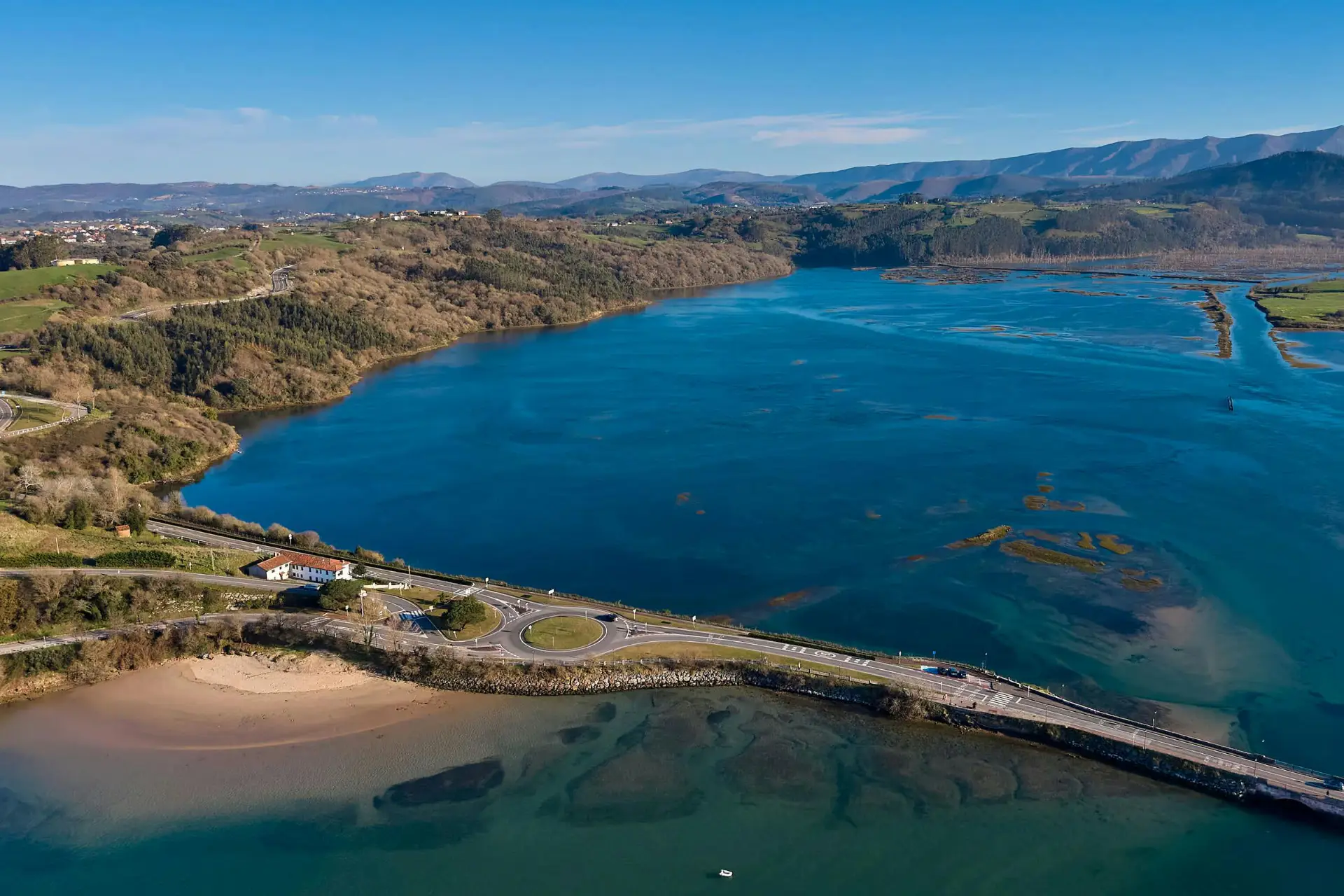
This is a different Spain entirely — wet, green, Atlantic, ancient. The Cantabrian coast road between San Sebastián and Santiago de Compostela is one of the great European drives, though few make it the way it deserves: slowly, stopping at fishing villages, taking the coast road rather than the motorway, eating freshly landed fish in places that serve no tourists.
Inland, the Picos de Europa rear up with sudden, almost Alpine violence from the coastal plain. The remote valleys of Asturias and Cantabria contain Romanesque churches, pre-Roman hill forts, and some of the finest cave art in the world at Altamira — a civilisation that has been here for 36,000 years.
- Picos de Europa — the Cares Gorge road and mountain villages
- Altamira — the Sistine Chapel of Palaeolithic art
- Asturian cider towns and apple orchards of the interior
- Llanes coast — cliffs, coves, and no crowds
- Lugo — the only city in the world with complete Roman walls
- The Rías Baixas, arriving at Santiago from the west
Parador recommendation Parador de Cangas de Onís, a former Benedictine monastery on the river Sella, gateway to the Picos. Parador de Santillana Gil Blas, in the medieval village beside Altamira — one of the most beautiful small towns in Spain, often deserted by evening.
Duration: 8–10 days Terrain: Coastal cliffs, mountain valleys Best for: Scenery, food, prehistory
«The best roads in Spain have no number. They appear on the older maps as thin lines between villages, and they lead, invariably, somewhere extraordinary.»
Toma & Coe — Notes from the Road
How we plan a bespoke road trip
01 The Conversation
We begin by understanding what you are looking for: landscape, history, food, remoteness, pace. What you want to avoid matters as much as what you want to find.
02 The Route
We plan road by road, not region to region. Every stretch is chosen for what you will see through the windscreen, not just what is at either end. We try and avoid motorways on principle.
03 The Stops
Paradores where appropriate, small privately owned hotels and rural casas where not. Every overnight is chosen for character and location, never simply for convenience.
04 The Detail
Restaurant recommendations for places with no online presence. The unmarked turning for the viewpoint. The market day in the village you are passing through. This is what makes the difference.
Every itinerary we design is built from scratch, for you. Tell us what draws you to Spain — a landscape, a period of history, a food or wine region, a particular kind of silence — and we will plan a journey around it.