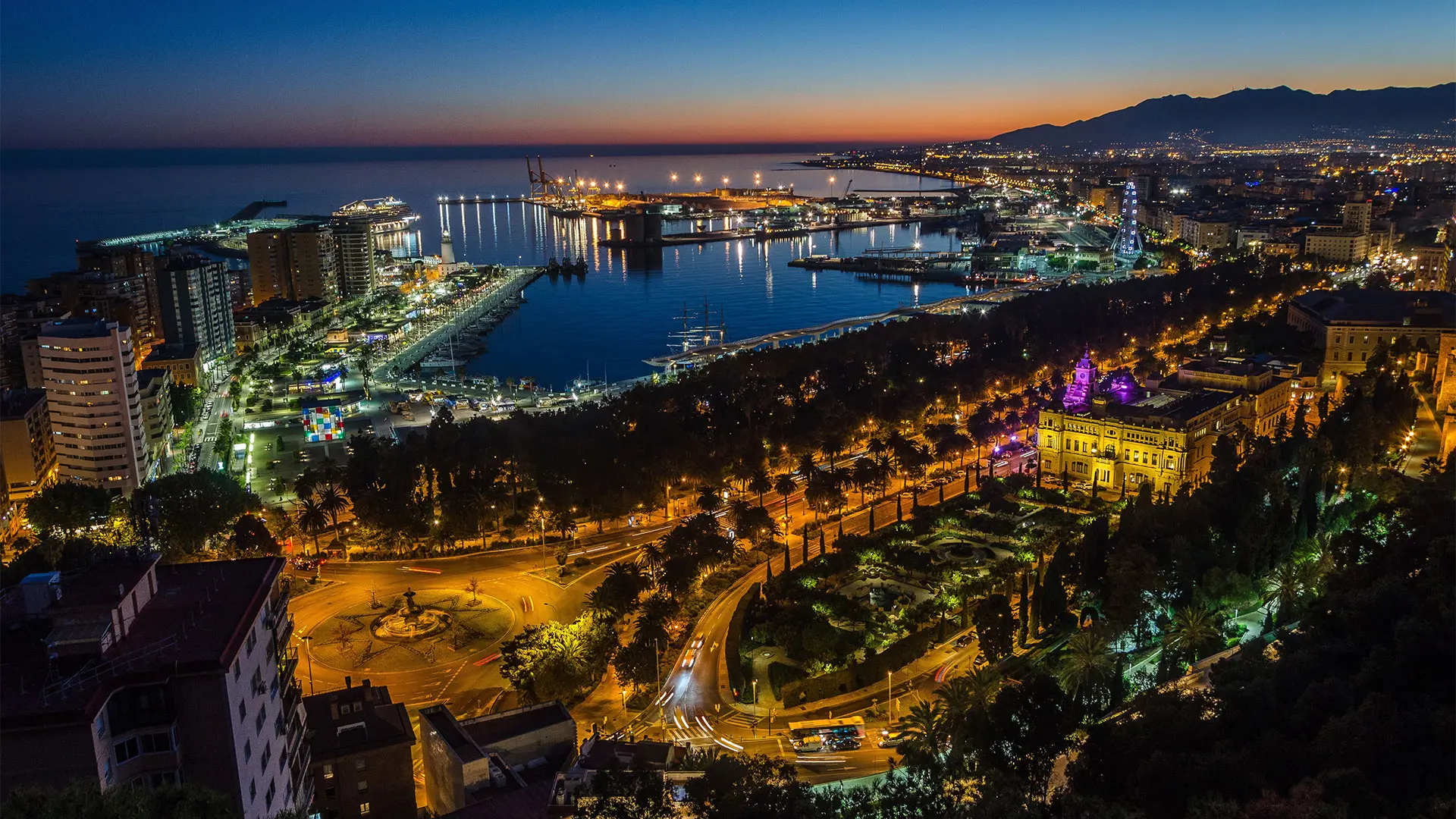
Andalucía has eight UNESCO World Heritage Sites. No other region in Spain comes close to that density of officially recognised, globally significant places. They span more than five thousand years of human history — from Neolithic burial chambers older than the Egyptian pyramids to the most perfectly preserved Renaissance townscape outside Italy, from a Moorish palace that remains the most visited monument in Spain to an almost-empty national park where one million birds overwinter each year.
You could spend a lifetime here. Or you could spend a month.
What follows is a guide to all eight UNESCO and why TOMA & COE considers them worth your time.
1. The Alhambra, Generalife and Albayzín — Granada
Inscribed: 1984 (expanded 1994)
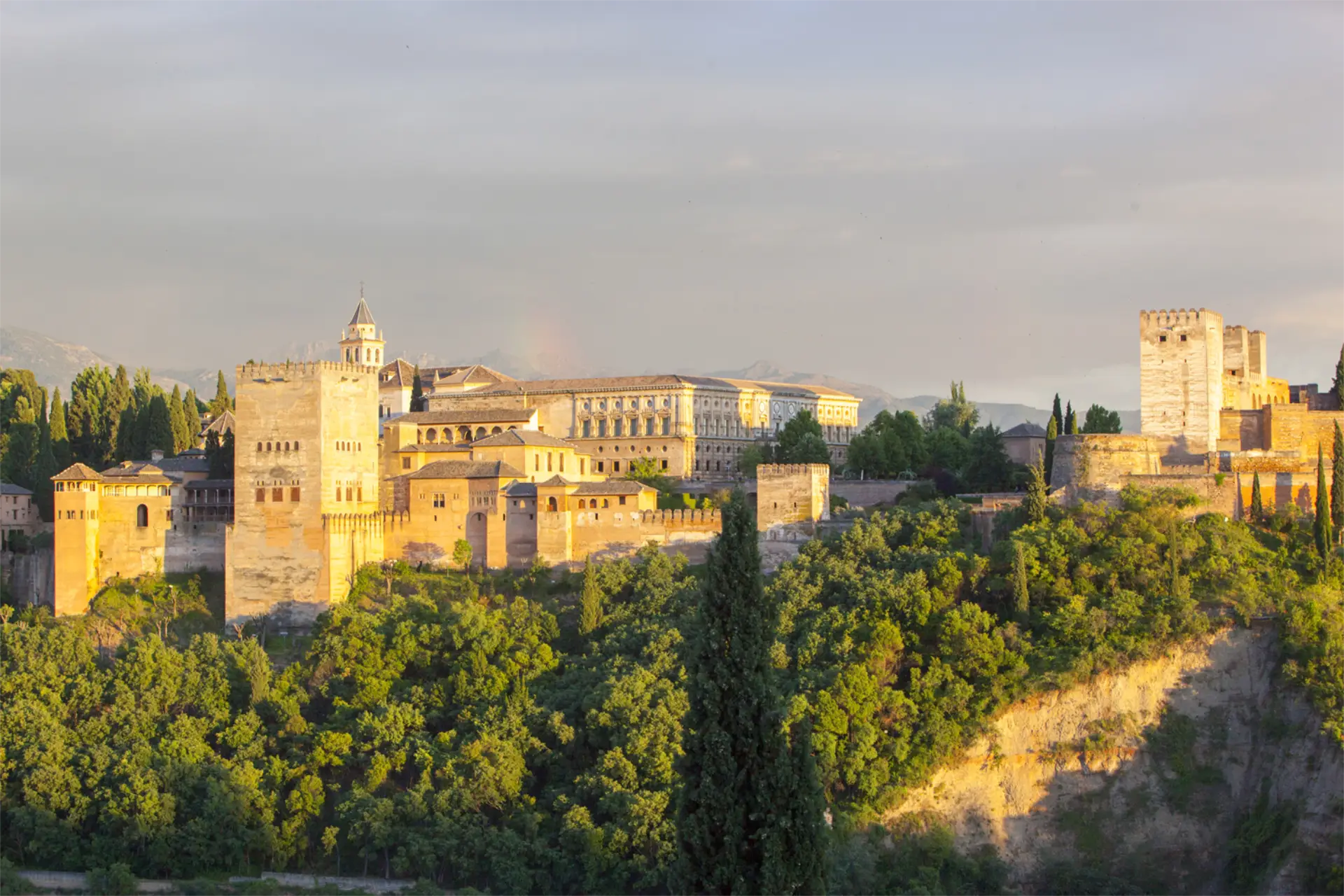
The Alhambra is a 13th-century Nasrid palace-fortress built on the Sabika hill above Granada. The sultans of the last Moorish kingdom in Iberia created it as a statement of civilisation at its height: rooms covered floor-to-ceiling in geometric tilework, carved stucco and Quranic calligraphy; courtyards arranged around still pools that mirror the carved stone above them; and a refinement of design that had no equal in Europe when it was built, and arguably still doesn’t.
The Alhambra is the finest thing I have ever seen, and the most beautiful thing I know of in the world. — George Eliot
The Generalife is the sultans’ summer estate immediately above the Alhambra; a series of terraced gardens and pavilions that use water with the gentle restraint that makes European baroque fountains look positively hysterical by comparison. The Albayzín is the ancient Moorish quarter below, a maze of whitewashed lanes, carmenes (walled garden houses) and miradores that have barely changed in five hundred years.
UNESCO inscribed all three together because they represent not one building but an entire way of life; a civilisation’s extraordinary flowering before the Reconquista closed the chapter in 1492.
Why visit: The Alhambra sells out weeks in advance; a private guide changes the experience entirely. The stories behind the Nasrid rooms are what most visitors miss. The Albayzín at dusk, with the palace lit gold across the valley, is one of the genuinely unrepeatable images of European travel.
2. The Historic Centre of Córdoba
Inscribed: 1984 (expanded 1994)
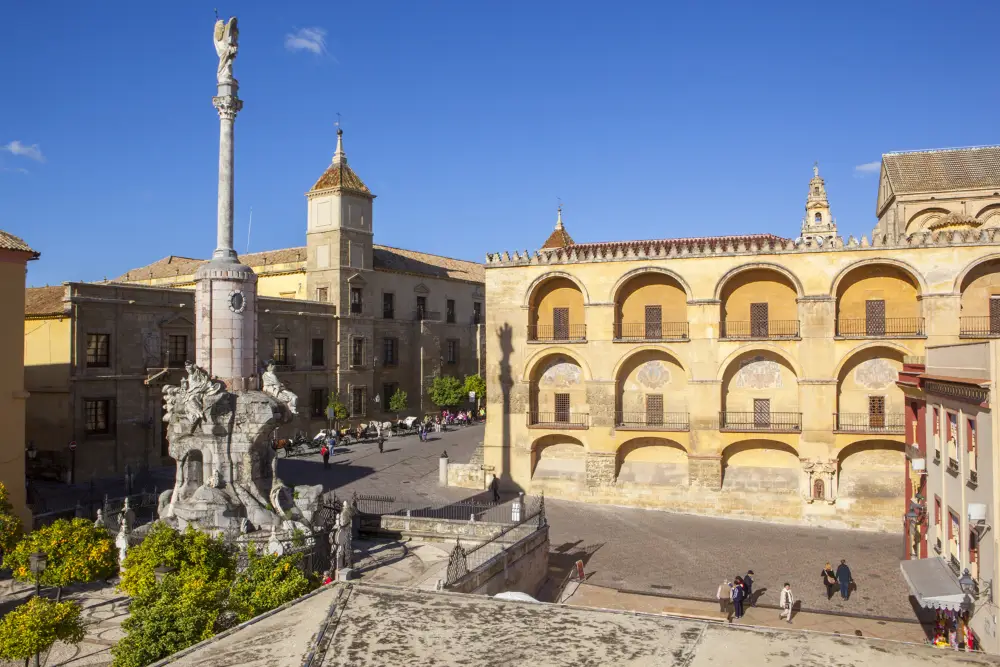
Córdoba was, in the 10th century, the largest city in western Europe. Under the Umayyad Caliphate it had a population of half a million, a library of 400,000 manuscripts, and a culture of science, poetry and philosophy that the rest of Europe would not catch up with for three centuries. It was also, briefly, the most tolerant city in the world, where Muslims, Jews and Christians lived and worked in the same streets without notable friction.
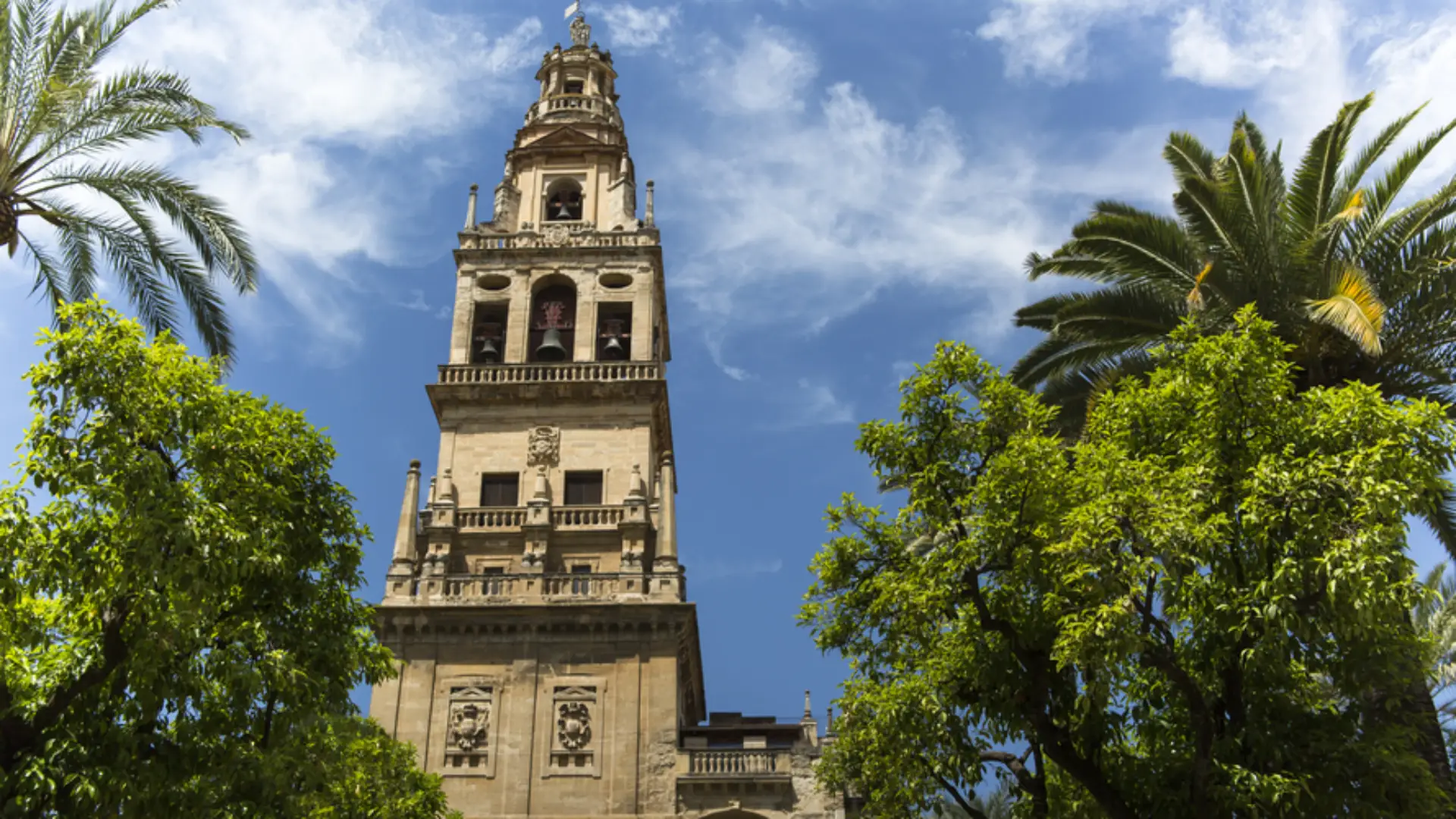
The Mezquita-Catedral is the physical evidence of all of this, and of what came after. It began as an Umayyad mosque in the 8th century, was expanded by successive caliphs over two hundred years until it contained 856 columns of jasper, onyx, marble and granite beneath a forest of double-tiered red and white arches. Then, after the Reconquista, it had a Renaissance cathedral inserted into its middle by Charles V, who famously said afterwards that he had destroyed something unique to build something ordinary.
The UNESCO inscription covers the whole historic centre — the Judería (Jewish quarter), the old city walls, the Roman bridge — not just the Mezquita. It is one of the few places in Andalucía where you can stand in a single square and see Roman, Moorish and Christian architecture in the same eyeline.
Why visit: Córdoba is consistently overlooked in favour of Seville and Granada, which should be a crime! The city is also one of the best-eating places in Andalucía and has an extraordinary May festival, the Fiesta de los Patios, when private courtyards are opened to the public and filled with flowers.
3. The Cathedral, Alcázar and Archivo de Indias — Seville
Inscribed: 1987
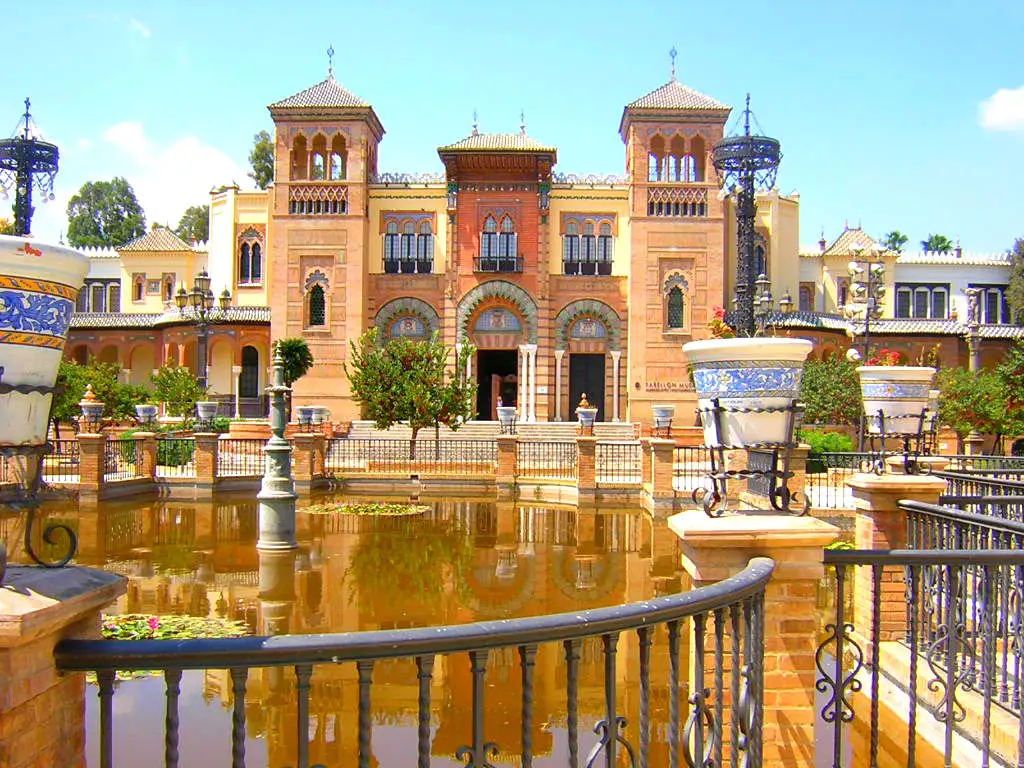
Three buildings, one block, five hundred years of the most consequential history in the world.
The Cathedral of Seville was built to be the largest church on earth. The chapter reportedly said, when commissioning it in 1401, ‘Let us build a church so beautiful and so grand that those who see it finished will take us for mad.’ The Giralda — the minaret of the former Almohad mosque, repurposed as a bell tower — rises 104 metres and remains the dominant silhouette of the city. Inside the cathedral, in a tomb carried by four kings, lie the bones of Christopher Columbus.
The Alcázar began as an Abbadid palace in the 9th century, became the seat of the Almohad caliphs, and was rebuilt in the 14th century by Pedro I in Mudéjar style — meaning it was built by Moorish craftsmen using Islamic techniques on Christian structures. The result is an architecture of deliberate paradox: Islamic geometry in a Christian palace. Its gardens are among the finest in Spain.
The Archivo General de Indias is the least visited of the three and arguably the most historically significant. Built by Juan de Herrera, architect of the Escorial, it was converted in the 18th century into an archive for every document relating to Spain’s empire in the Americas and Asia. It holds 80 million pages of original manuscripts. The letters of Columbus, the signature of Magellan, the administrative records of an empire that changed the shape of the world.
Why visit: Most visitors spend two hours in the cathedral and none in the Archivo. A knowledgeable guide who can connect the three buildings as phases of the same story, beginning with the Moorish city and ending with the globalisation of the world, turns a sightseeing day into something far more interesting.
4. The Antequera Dolmens Site — Málaga
Inscribed: 2016
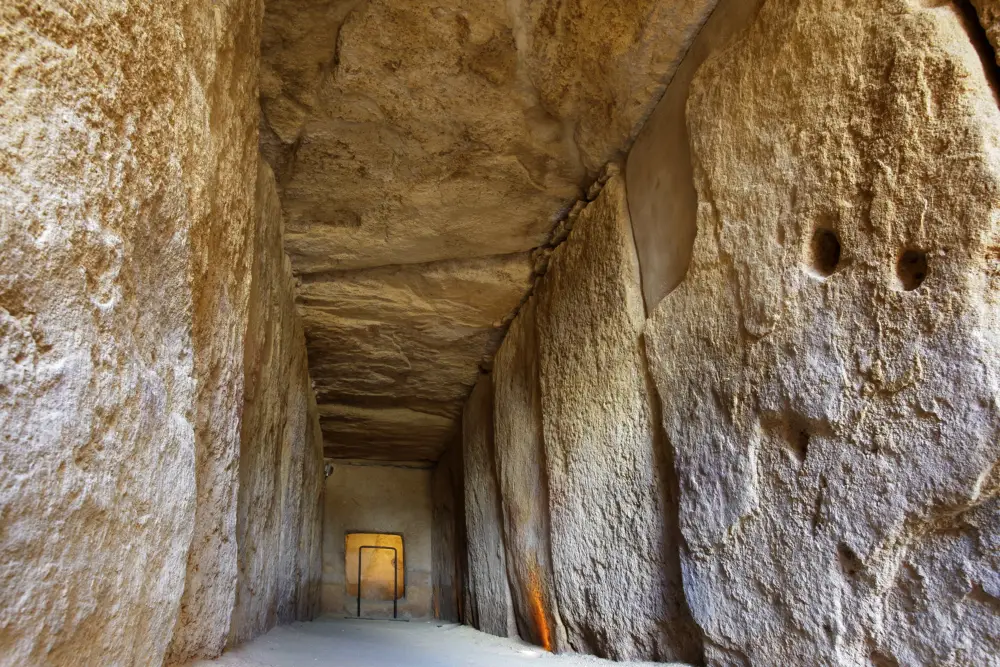
The most recent UNESCO inscription in Andalucía.
Three megalithic tombs stand in the hills just outside the town of Antequera, built between 3,800 and 3,200 BCE — making them roughly contemporary with Stonehenge and five hundred years older than the Great Pyramid at Giza. The Dolmen de Menga is the largest Neolithic structure in Europe: a chamber 25 metres long, 7 metres wide and 4 metres high, covered by an earthen mound, built from stones weighing up to 200 tonnes. It was aligned with the mountain of La Peña de los Enamorados (Lovers’ Rock) on the horizon.
The Dolmen de Viera is slightly smaller and more precisely aligned with the rising sun at the spring and autumn equinoxes. El Tholos de El Romeral, two kilometres away, is a different technique altogether, a corbelled beehive chamber with a sophisticated dome structure that suggests a separate architectural tradition.
What UNESCO recognised was not just the dolmens themselves but their relationship to the landscape, the way the tombs use the surrounding mountains and the light of the sky as part of their architecture. They are, in the committee’s words, ‘a masterpiece of human creative genius.’
Why visit: Most people driving through Antequera see the signs and keep going. The dolmens reward the detour both for what they are (genuinely monumental) and for what they tell you about the continuity of human presence in Andalucía.
5. Doñana National Park — Huelva, Seville, Cádiz
Inscribed: 1994 (expanded 2005)
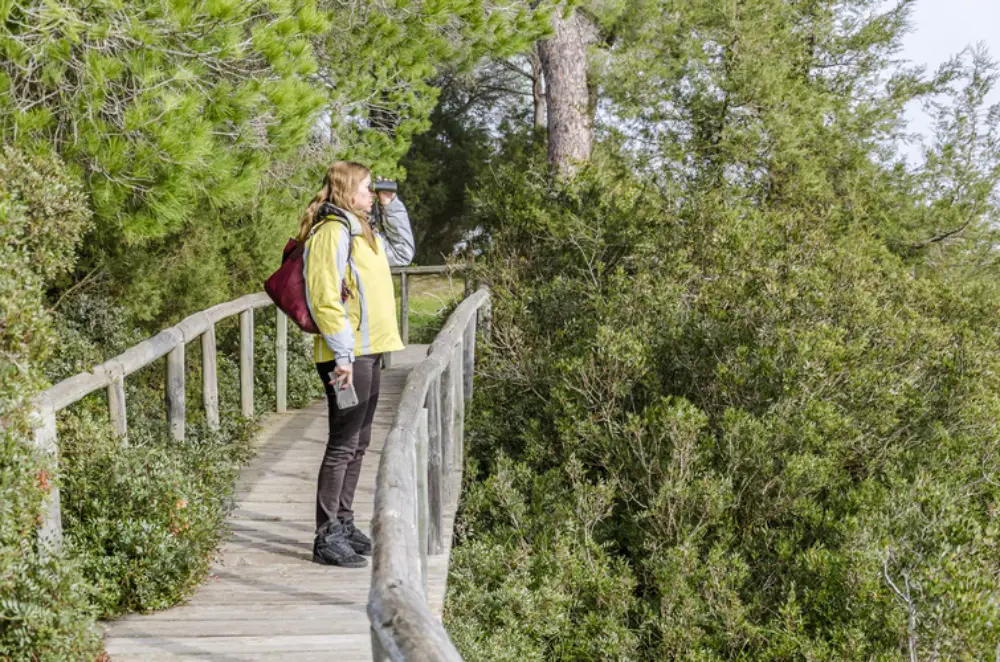
Doñana is the only UNESCO natural site in Andalucía’s eight, and it is unlike anywhere else in Europe.
It covers 543,000 hectares at the mouth of the Guadalquivir River on the Atlantic coast — a protected wilderness of shifting sand dunes, coastal marshes, pine forests and Mediterranean scrubland. It is the most important wetland in Europe and one of the most important in the world: home to six million birds at the height of the migration season, including the greatest concentration of wintering waterfowl on the continent. It is also home to two of Europe’s most endangered species — the Iberian lynx and the Spanish imperial eagle — both of which have been pulled back from the edge of extinction partly through conservation work here.
Access is restricted precisely because its value depends on its wildness. You cannot simply drive in; visits require prior arrangement and are conducted in authorised vehicles on designated routes. The landscape is dynamic — the dunes move, the marshes dry and flood with the seasons — and changes radically between summer and winter.
Why visit: Doñana is difficult to visit independently, which is exactly why a guided, private, properly arranged visit is so much more rewarding. The wildlife spectacle flamingos, ducks and geese, lynx in the dawn light if you are lucky, is one of the genuinely unforgettable natural experiences in Europe. It is also an entirely different register from the other seven sites, which makes it an essential counterweight in any itinerary.
6. The Renaissance Monumental Ensembles of Úbeda and Baeza — Jaén
Inscribed: 2003
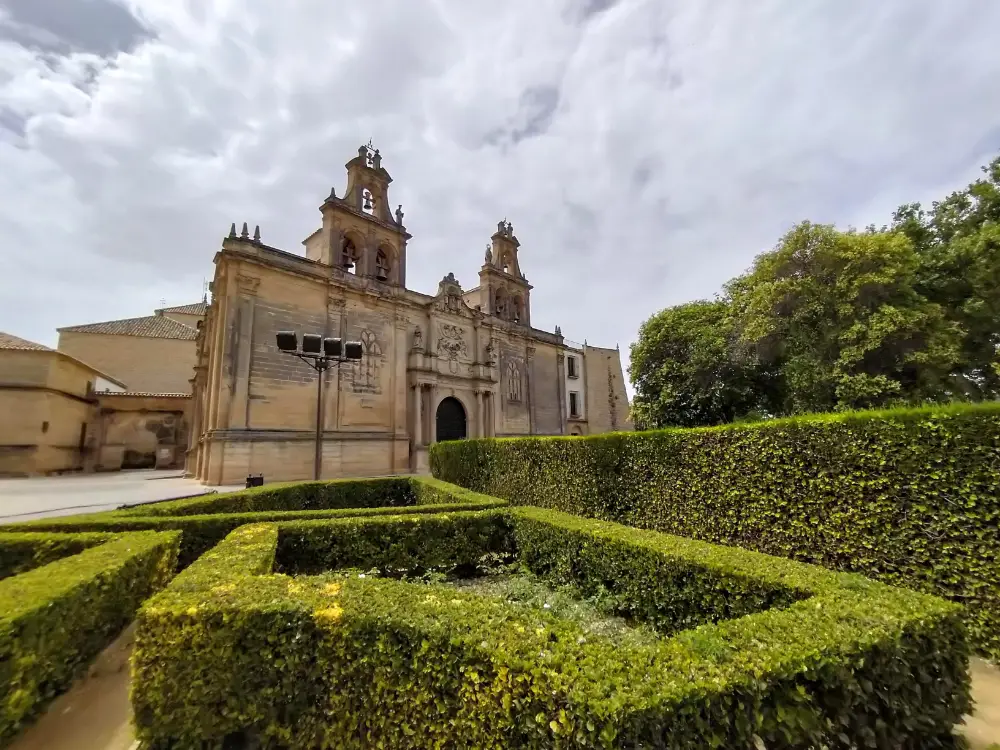
Ask ten well-travelled people to name Andalucía’s UNESCO sites and most of them will forget these towns.
Úbeda and Baeza are two small towns in the province of Jaén, about 10 kilometres apart, surrounded by an ocean of olive groves. They were Reconquista frontier towns in the 13th century, and then something unexpected happened: in the 16th century, they became showcases for the most ambitious civil Renaissance architecture in Spain. The man most responsible was Andrés de Vandelvira, an architect of genius who worked here in the mid-1500s and left behind a body of work — palaces, churches, a town hall, a hospital, a university — that UNESCO described as ‘an outstanding example of the interchange of human values.’
The town square of Úbeda, Plaza Vázquez de Molina, is one of the finest Renaissance public spaces in Europe. Add in: the Palacio del Deán Ortega; the Sacra Capilla del Salvador; the Ayuntamiento of Baeza; the cathedral; the university, which opened in 1538.
Úbeda and Baeza are a complete Renaissance urban ensemble, unique in the Iberian Peninsula and exceptional in the world. — UNESCO
Why visit: You can stand in the middle of a genuinely extraordinary 16th-century square with nothing between you and the architecture. The absence of crowds is a bonus.
7. Rock Art of the Mediterranean Basin on the Iberian Peninsula
Inscribed: 1998
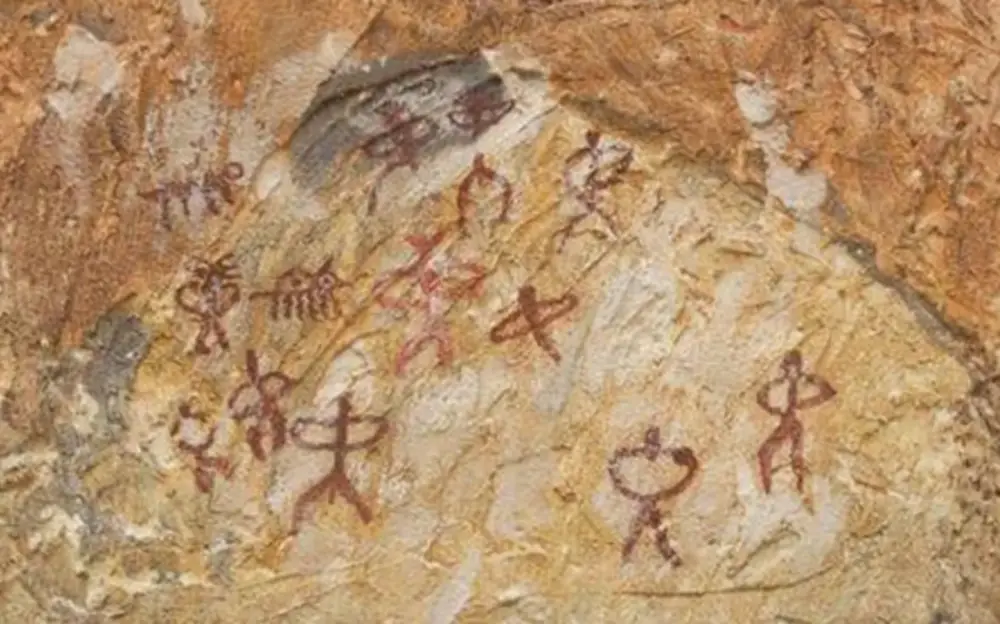
The most diffuse and least-visited of the eight.
This is a transnational UNESCO site covering more than 700 rock art sites across the Mediterranean coast of the Iberian Peninsula, representing the largest group of prehistoric rock paintings in Europe. In Andalucía, the sites are concentrated in the provinces of Granada, Almería and Jaén. The paintings date from approximately 8,000 to 3,500 BCE — the Mesolithic and early Neolithic periods — and depict hunting scenes, human figures, animals and abstract symbols with a graphic directness that crosses seven thousand years without difficulty.
The most accessible Andalucían site is the Cueva de los Letreros in Vélez Blanco (Almería), where the most famous figure is the Indalo — a human form holding an arc above its head — which became the symbol of Almería.
Why visit: Standing in front of a painting made by a human being eight thousand years ago on the actual rock face where they stood and painted it is a different kind of encounter with history than walking through a palace, and absolutely worth it.
8. The Caliphate City of Medina Azahara — Córdoba
Inscribed: 2018
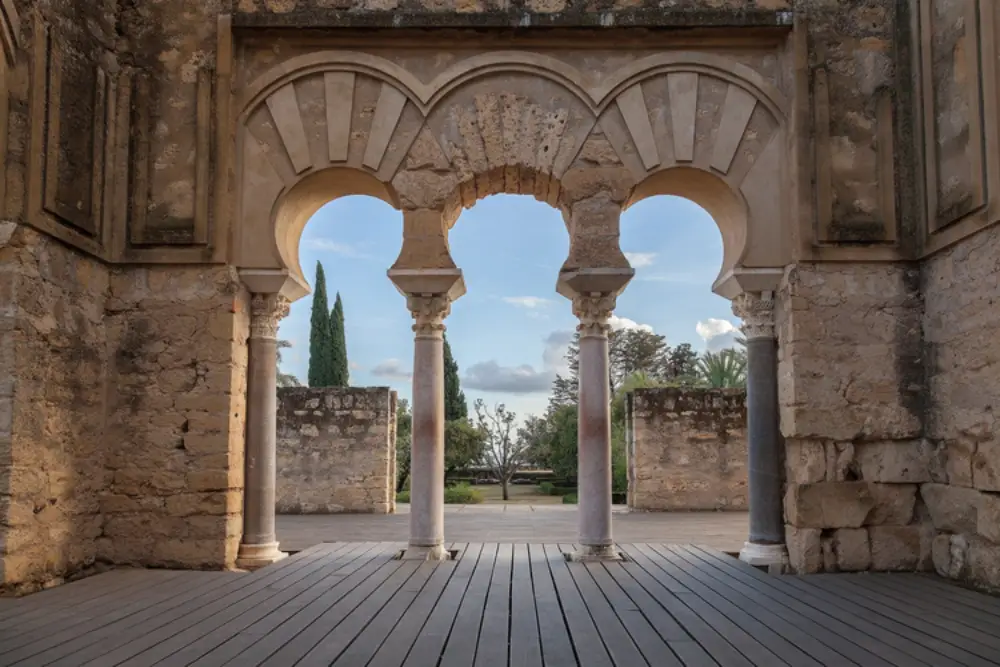
The most recently inscribed of Andalucía’s eight UNESCO sites, and in many ways the most astonishing.
In 929 CE, Abd ar-Rahman III declared himself Caliph of the western Islamic world. It was the first independent Umayyad caliph, in direct rivalry with the Abbasids in Baghdad and the Fatimids in North Africa. A caliphate of that ambition required a capital worthy of it. Seven years later, construction began on Madinat al-Zahra (the Radiant City) on the lower slopes of the Sierra Morena five kilometres west of Córdoba.
What followed, over the next twenty-five years, was one of the great acts of architectural will in medieval history. Chroniclers described a city of reception halls lined with gold and ivory, gardens stocked with exotic animals, pools filled with mercury that could be agitated to spray reflected sunlight across marble ceilings. More than ten thousand workers built it. The finest craftsmen in the Islamic world decorated it. It was, briefly, the most sophisticated city in western Europe.
It lasted only seventy years. In 1009–1010, the civil wars that ended the Caliphate of Córdoba reduced Madinat al-Zahra to rubble in a matter of months. The ruins were forgotten, buried, and largely robbed for building materials. They remained hidden for almost a thousand years, until excavations began in 1911.
Today, only around 10% of the 112-hectare site has been excavated, with the remaining 90% still underground. What has emerged is extraordinary: the Hall of Abd ar-Rahman III with its intricate carved marble panels, the House of Ya’far, the mosque, the gardens. The on-site museum, which won the Aga Khan Award for Architecture in 2010, contextualises what you are seeing with the clarity it deserves.
Medina Azahara is the first representative of European Islamic urban development on the World Heritage List. It provides in-depth knowledge of the now-vanished western Islamic civilisation of Al-Andalus at the height of its splendour. — UNESCO
Why visit: Medina Azahara sits just outside Córdoba, which means it pairs naturally with the Mezquita. The mosque represents Umayyad religious culture; the palace-city represents Umayyad political culture at the moment of its greatest confidence. The site is also quieter than almost anything else on this list, which rewards the kind of slow, attentive visit that the other major sites increasingly make difficult.
One region, eight sites – one TOMA & COE tour?
These eight sites together span more than five thousand years of human history and take you from the Atlantic coast to the olive-covered hills of Jaén, from a palace that represents the peak of Islamic architecture to a forest that shelters the last Iberian lynxes in Europe. They are, between them, the complete story of Andalucía, and then some.
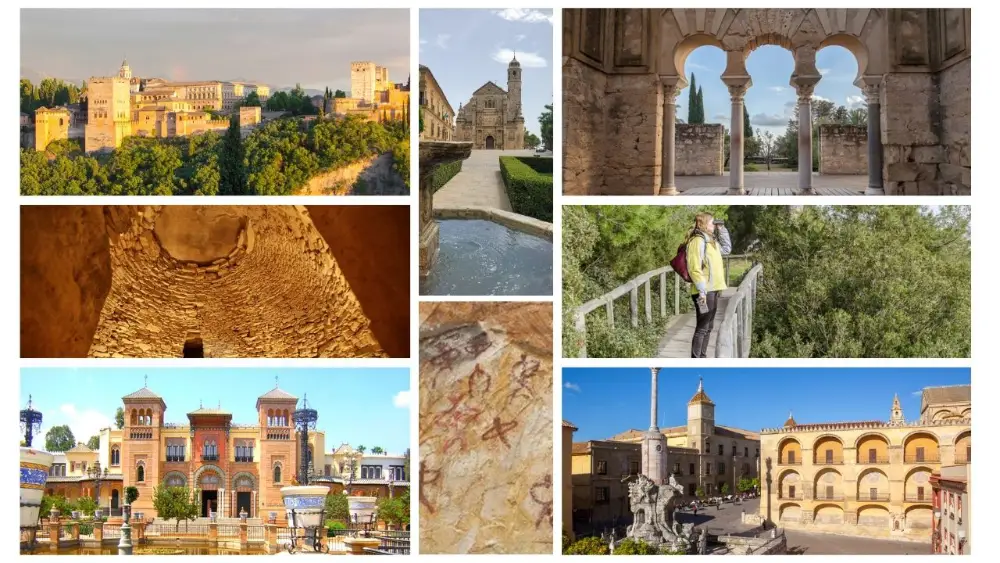
You could visit all eight in a month. You could spend a week around Córdoba and Granada alone. You could build an entire itinerary around Doñana and the coast. Or why not speak to the team at TOMA & COE and have them create your own bespoke tour of as many of the sites as you like.
We do not sell package holidays, we design journeys — itineraries built around what you want to spend your time on, how deeply you want to go, and what else you might want to fold in along the way.
This blog is one starting point. Your version of an itinerary spanning the UNESCO World Heritage Sites in Andalucía will look nothing like anyone else’s.
| Plan your Andalucía UNESCO journey with TOMA & COE One site or all eight — tell us what interests you and we will design the journey around it. Private guiding, access, transport, accommodation and local knowledge. Contact us at info@tomaandcoe.com or visit tomaandcoe.com/bespoke-tours |