Next year, 2027, is an Año Santo (a Holy Year) on the Camino de Santiago. It is one of the rarest events in the Catholic calendar, and it turns an already incredible pilgrimage into something extraordinary.
The Año Santo Compostelano, the Holy Year of Compostela, is one of the most ancient and significant events in Christendom. It is declared whenever 25 July, the Feast Day of St James the Apostle, falls on a Sunday. Because of how the calendar moves, this happens only 14 times in a century.
It is a tradition which stretches back to 1122, when Pope Calixtus II granted Santiago de Compostela the privilege of offering a plenary indulgence to pilgrims who made the journey in Holy Years.
2027 is the next Holy Year. The last was 2021 — extended into 2022 by Pope Francis because Covid kept the world at home — and after 2027, pilgrims will need to wait until 2032. For those who have been waiting, the moment is almost here.
What happens in a Holy Year?
Several things distinguish a Holy Year from any other year on the Camino.
The Holy Door opens. On the evening of 31 December 2026, the Archbishop of Santiago de Compostela will walk to the east façade of the cathedral and strike a wall of stones three times with a silver hammer. When it collapses, the Porta Santa, the Holy Door, is revealed. This door, set in the Plaza de la Quintana, remains open for the entirety of 2027. Pilgrims pass through it on their way to the tomb of the Apostle.
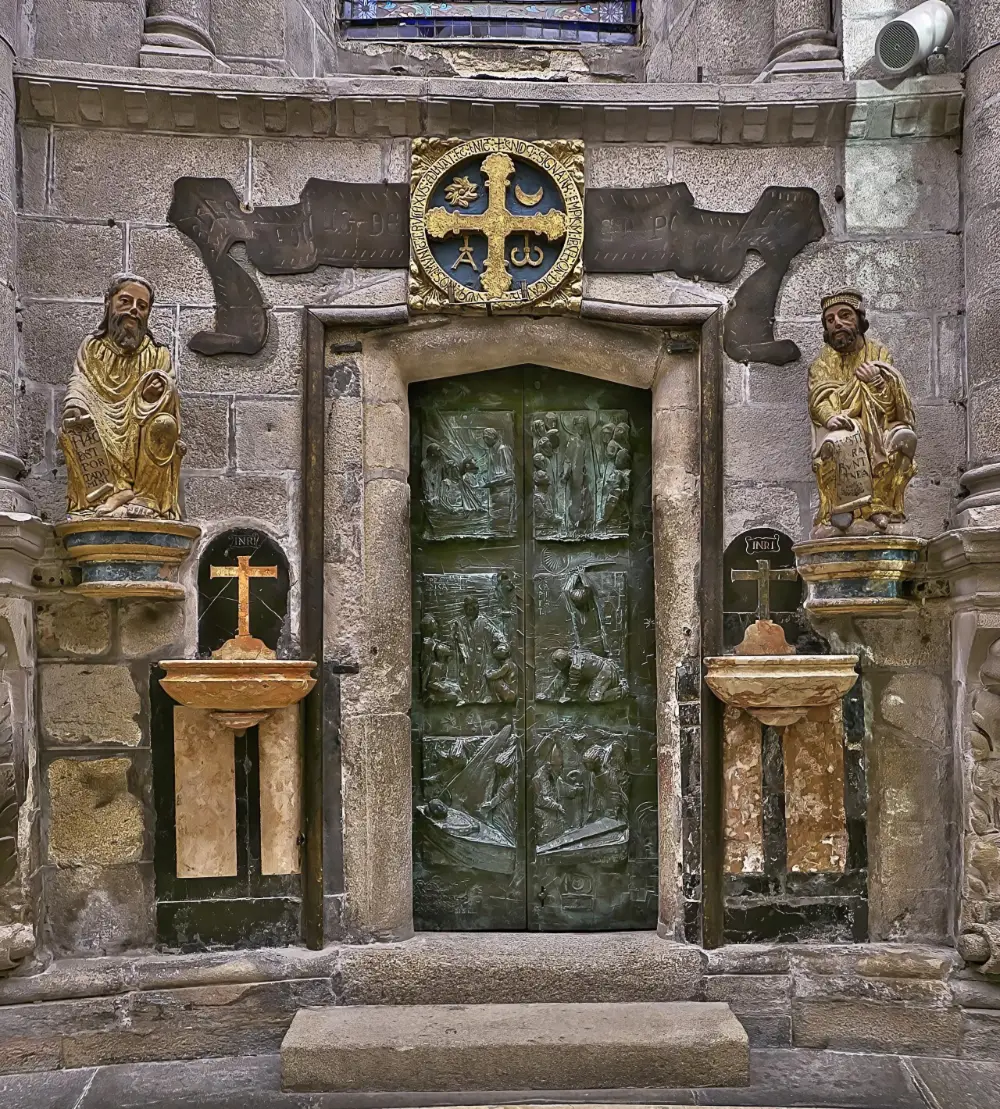
A plenary indulgence is available. For Catholic pilgrims, the Holy Year offers something that cannot be obtained in any other year: a plenary indulgence. This is a full remission of temporal punishment for sin. To receive it, a pilgrim must visit the cathedral, pray for the intentions of the Pope, and receive confession and communion within fifteen days of the visit. The indulgence can also be applied on behalf of a deceased person.
It’s a different atmosphere. Holy Years draw pilgrims from every corner of the world. In 2022 — the pandemic-extended Holy Year — over 438,000 Compostelas were issued. Given that a normal year in 2025 drew more than 530,000 pilgrims, 2027 is widely expected to set a new record. The trails will be livelier, the albergues busier, and the sense of shared purpose more palpable than ever.
One distinction that matters: the Compostela, the certificate of pilgrimage awarded to those who walk at least the final 100km, is available every year. The plenary indulgence is specific to Holy Years, and is entirely separate. You can earn one without the other. The pilgrimage itself is open to everyone, regardless of faith.
The Camino Mozárabe: walking from Al-Andalus to Compostela
Of all the routes to Santiago, the Camino Mozárabe carries perhaps the most layered history. Its name alone opens a window onto medieval Spain.
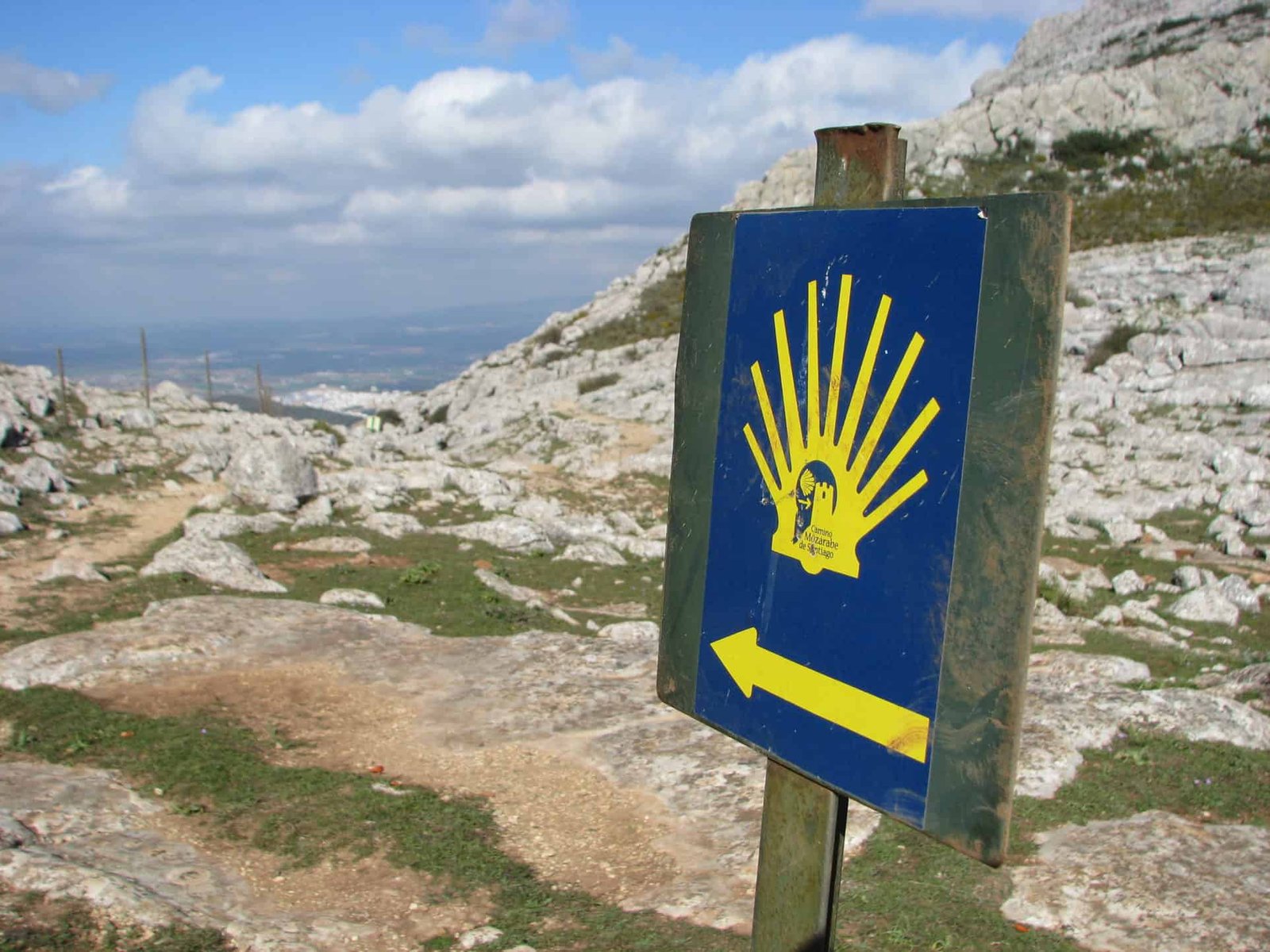
The Mozarabs were Christian communities who lived under Muslim rule in Al-Andalus — the name given to the parts of the Iberian Peninsula governed by Islamic powers from the 8th century onwards. They maintained their faith and their liturgical rites. Crucially, from 1122, they retained their desire to make the pilgrimage to Santiago. The routes they walked through what is now Andalusia and Extremadura are the foundations of the Camino Mozárabe we walk today.
The Reconquista was a long and complex process by which Christian kingdoms gradually reclaimed the peninsula. The pilgrims who walked these paths at that time (c. 718 to 1492) did so through a landscape of coexistence and conflict, of mosques and cathedrals, of cultures that shaped each other in ways still visible today in the food, the architecture, and the spirit of Andalucia.
The Route: From Málaga to Santiago
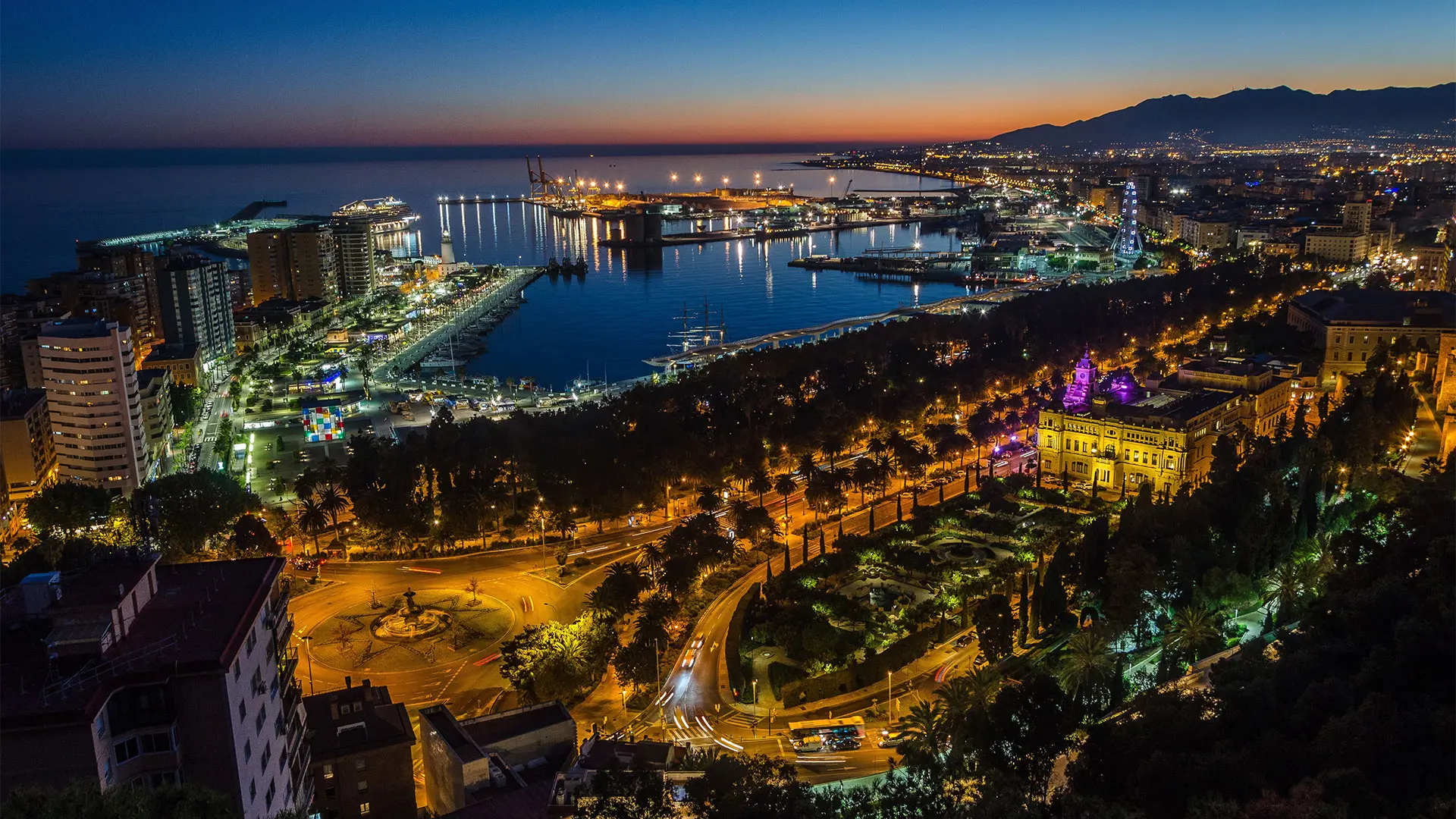
The Camino Mozárabe can be started from several points in Andalucia — Almería, Granada, and Jaén among them — but the Málaga route has particular character. It begins at the Iglesia de Santiago on Calle Granada, right in the heart of the city, and so you begin walking in the steps of pilgrims who walked the route a thousand years ago.

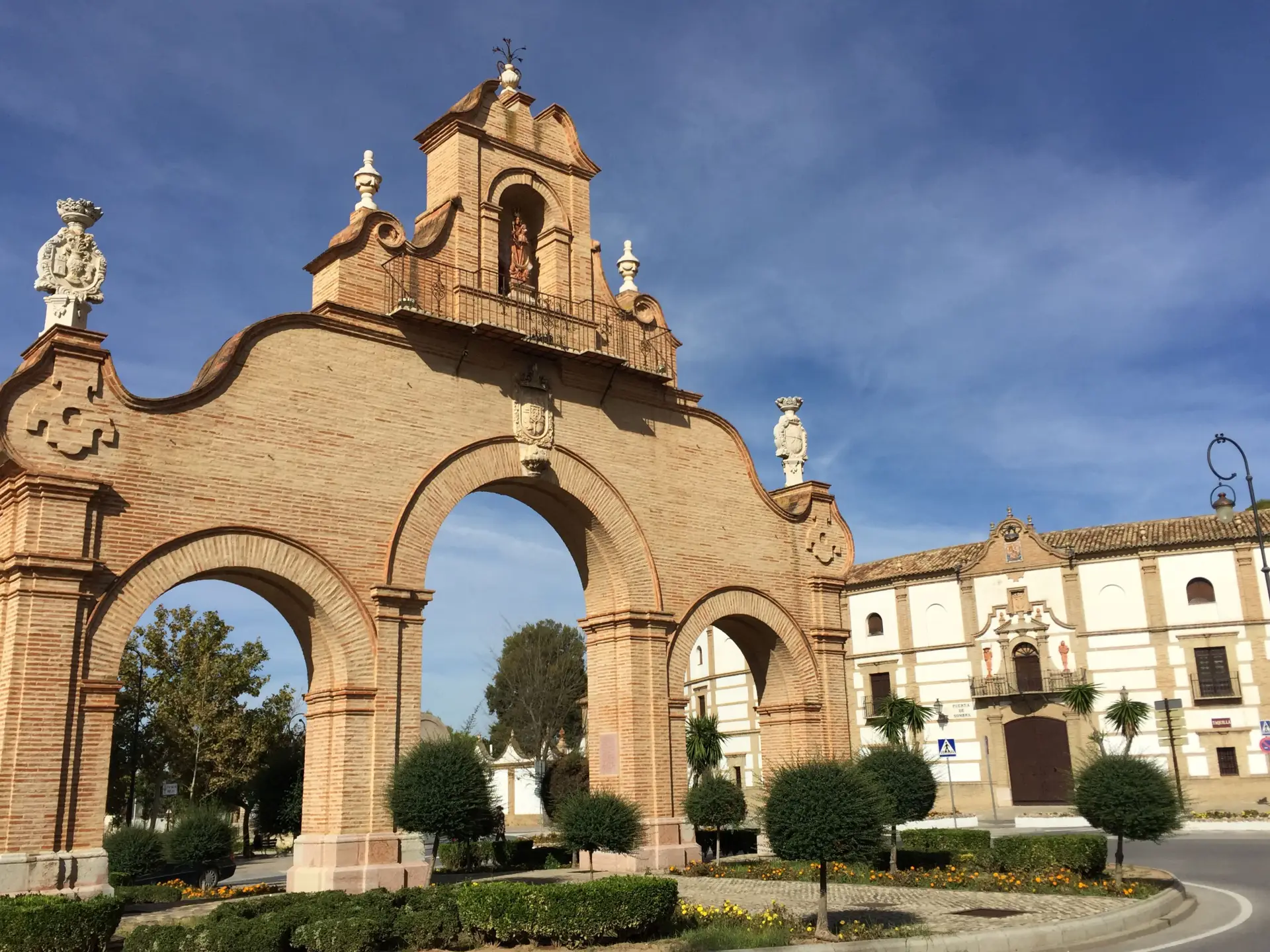
From Málaga, the route heads inland through Almogía, Villanueva de la Concepción, and Antequera. It passes through some of the most unspoiled countryside in the province, olive groves and limestone hills giving way to the wide plains of Córdoba. The Málaga stages are notably manageable in length, several coming in under 15km, which makes the route well-suited to those new to multi-day walking.
The different Andalucian branches converge in Baena, in the province of Córdoba, before continuing north through Extremadura. Mérida has astonishing Roman heritage and it is here that the route joins the Via de la Plata. From there, it continues through Salamanca, Zamora, and Galicia to the cathedral in Santiago de Compostela.
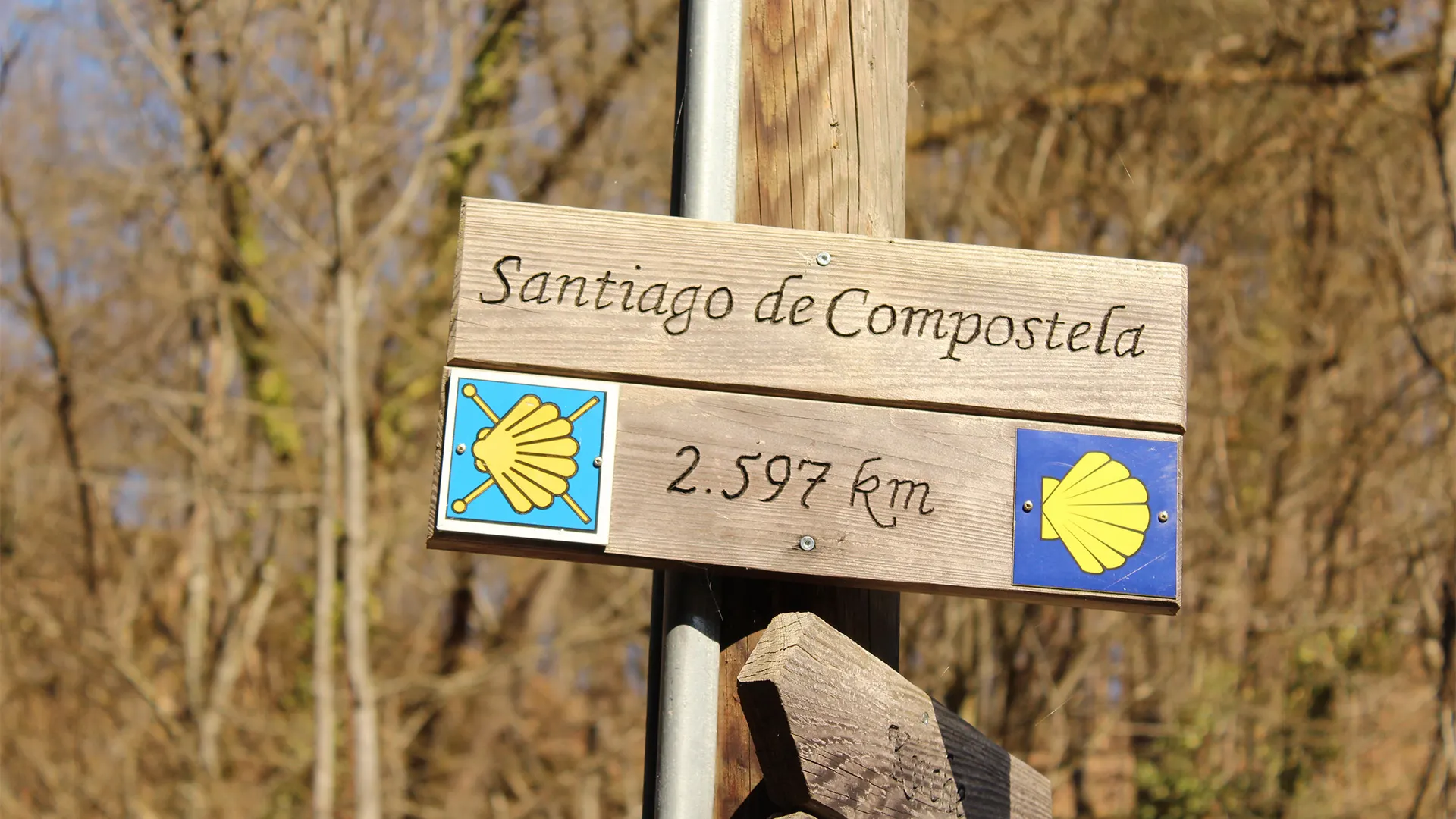
The full route from Málaga covers around 1,200km and takes roughly seven weeks on foot. But the Camino has always been adaptable. Walking a section — the Málaga stages, the approach through Córdoba, the final stretch into Santiago — counts towards the Compostela provided the last 100km are completed. And in a Holy Year, every kilometre carries extra weight.
Check out our Camino de Santiago tour
Why the Mozárabe in 2027?
The Camino Francés, the classic French Way, will be extraordinarily busy in 2027. Holy Years reliably push numbers upward on the most popular routes. The Mozárabe offers something different: a road with equal spiritual credentials but far fewer fellow pilgrims, passing through a landscape that most Camino veterans have never seen.
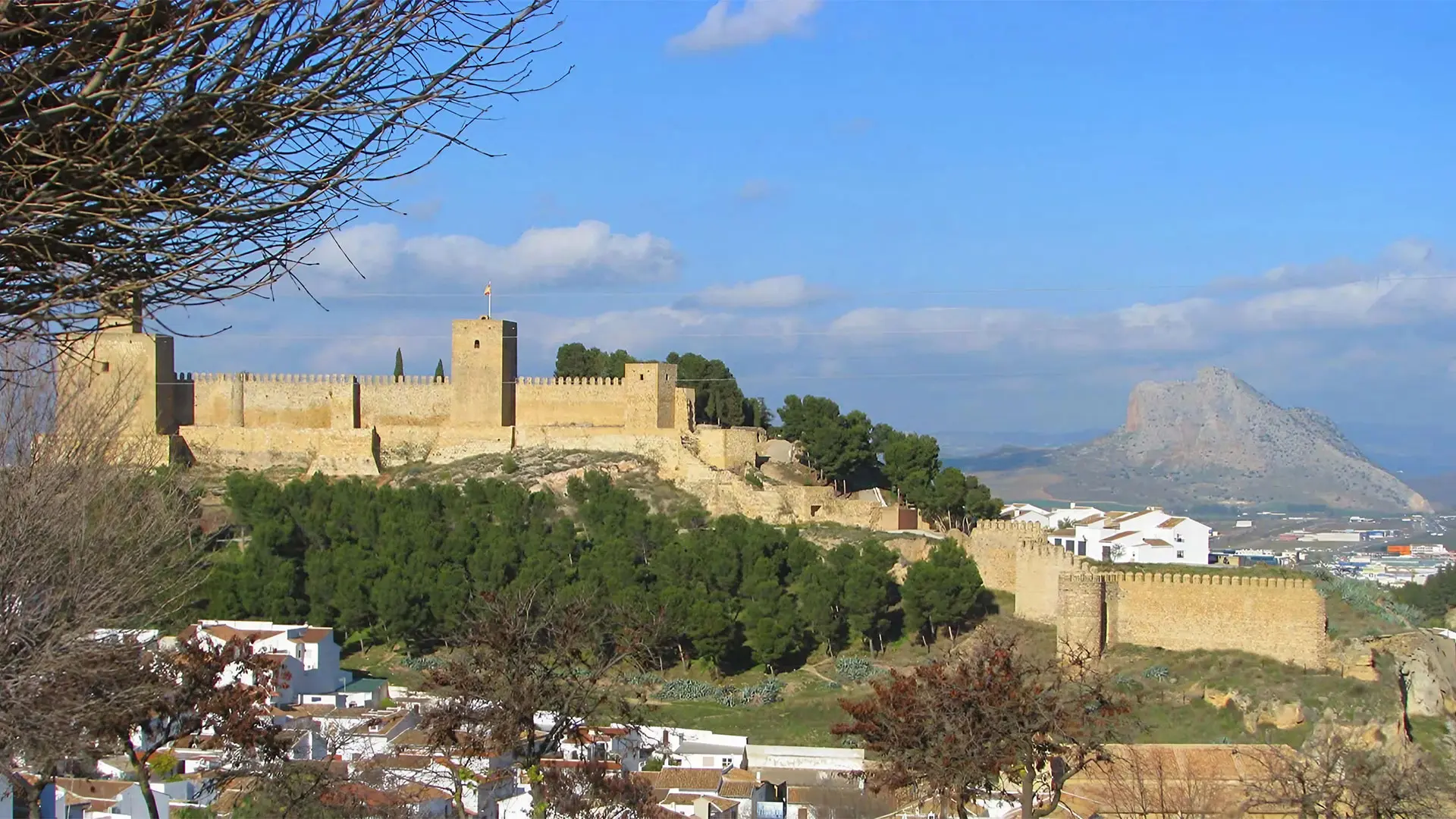
To walk it in a Holy Year is to connect two of the most compelling stories in Spanish history: the ancient pilgrimage to Compostela and the remarkable civilisation of Al-Andalus. The landscape the route passes through — the olive groves, the Roman ruins, the white villages, the sweep of the Extremaduran meseta — is the same landscape those early Mozarab pilgrims walked.
Walking the Camino Mozárabe with TOMA & COE
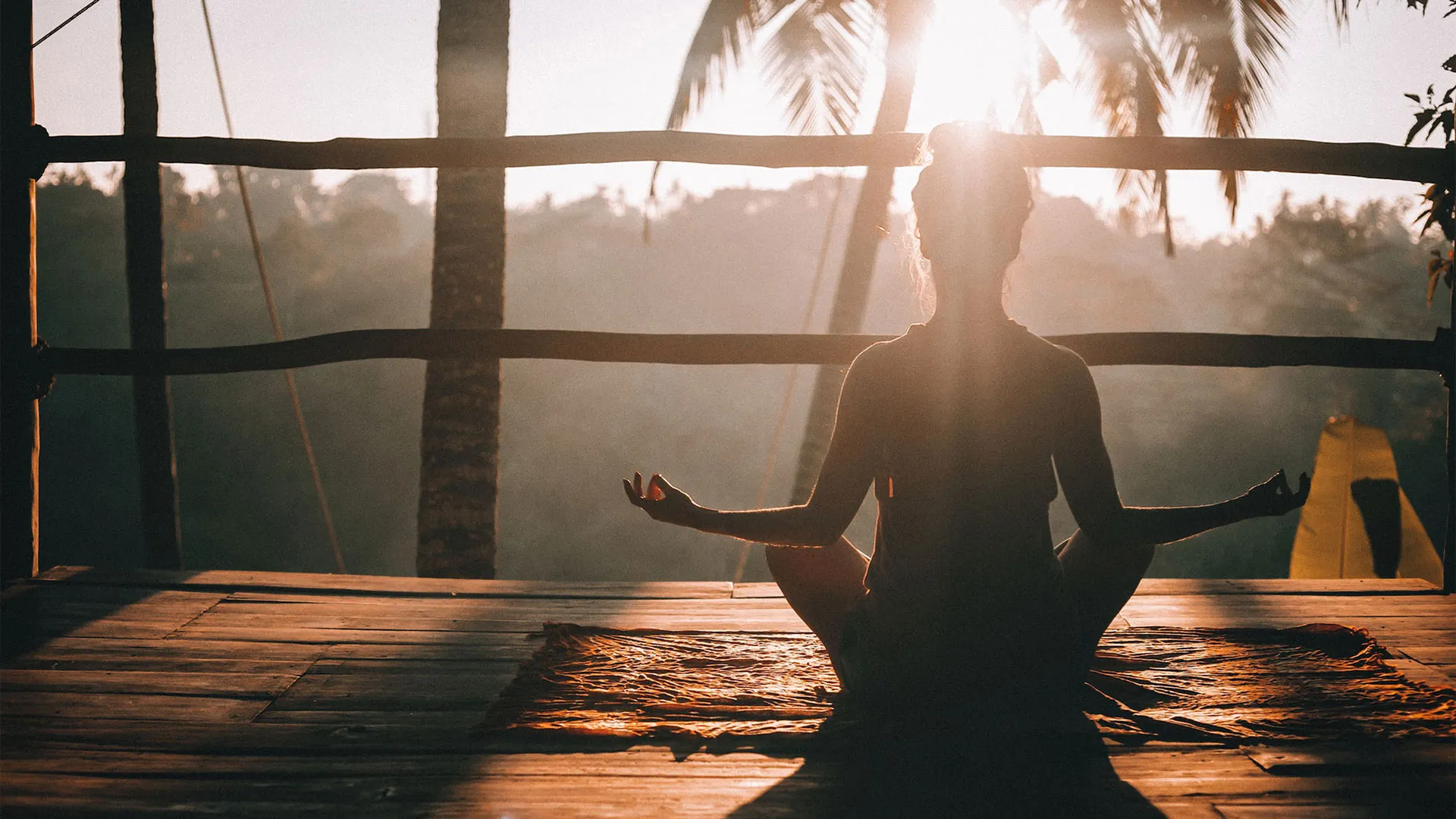
TOMA & COE have been guiding pilgrims on the Camino Mozárabe from Málaga for years. Our Camino de Santiago pilgrimage follows the Mozárabe Route, taking in the full journey from Málaga through Extremadura to the final 108km walk into Santiago. We also offer the Camino with Yoga — a pilgrimage designed around both physical and inner journey.
For those who want to experience the Camino without the full commitment, our guided day walk from Málaga takes you along the first stage of the Mozárabe Route with a guide who can bring its history alive.
The Holy Year will not come around again until 2032. If you have been thinking about the Camino, this is the year that carries a little more than the others.
Places on our 2027 Camino are filling. Add your name to the wait list and we will be in touch.