When we think of May in Andalucía, our minds often drift to the fragrance of orange blossoms in Sevilla or the flower-filled patios of Córdoba. But there is another May story, one of salt air, defiant humour, and a tiny peninsula that became the «Spanish Ulcer» for the most powerful man in the world. Let’s explore the Atlantic-facing city of Cádiz.
By May 1810, Napoleon’s Grande Armée had swept across Europe like a tide. In Spain, the French occupied almost every major city, and Joseph Bonaparte sat on the throne in Madrid.
Except for Cádiz.
For two and a half years, this «Little Silver Cup» (La Tacita de Plata) was the only spark of freedom left in a conquered continent. Hemmed in by 20,000 French troops at the narrow strip of land in San Fernando, the Gaditanos refused to be afraid. While the French generals fumed in the marshes of the mainland, Cádiz became a vibrant hub where the first democratic Constitution of Spain (La Pepa) was signed in 1812.
Walking the walls Napoleon never could
To understand the Siege, you have to understand the geography of a city that is essentially an island tethered to the rest of Spain by a thread. Here is how you could peel back the layers of 1810 while soaking in the best of modern-day Cádiz.
1. The Eyes of the Resistance: Torre Tavira
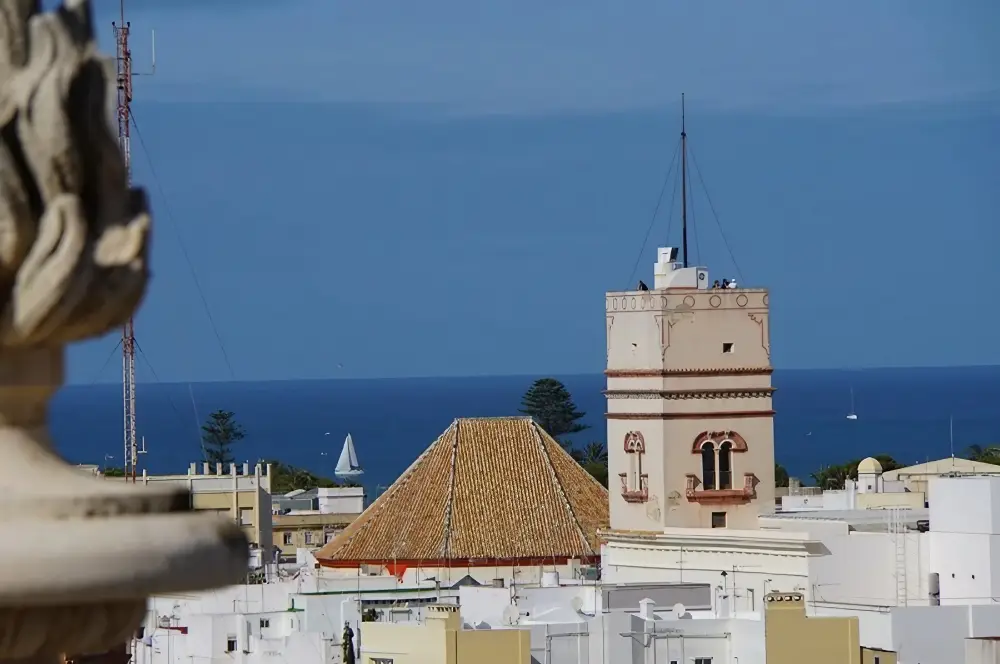
Climb the Torre Tavira, the highest point in the old town. During the Siege, these watchtowers weren’t just for spotting merchant galleons; they were military lookout posts. Using the tower’s Camera Obscura, you project a live, moving image of the city onto a screen. It is a «general’s eye view» — you can see the exact points across the water where the French batteries were stationed, looking down at the laundry hanging on the rooftop lines.
2. The Birth of Democracy at San Felipe Neri
Move on to the Oratorio de San Felipe Neri. This isn’t just a church; it is the birthplace of modern Spanish identity. While French «bombs» (which the locals famously mocked in song) whistled overhead, deputies gathered in this elliptical sanctuary to write the 1812 Constitution. Standing here, you feel the incredible contrast between the elegant, quiet Baroque architecture and the revolutionary chaos outside.
3. The Living Map: El Museo de las Cortes
A hidden gem often missed by the crowds is the Museum of the Courts. Inside sits a breathtaking 1:250 scale model of Cádiz, commissioned by King Charles III in 1777. Carved from mahogany and ivory, it is one of the most detailed urban models in existence. Standing over it, you can trace the defensive lines of the city as they stood in 1810, identifying the narrow «Puerta de Tierra» (Land Gate) where the Spanish and British forces held the line against the French infantry.
4. The Bastions and the «Balcony of the Atlantic»
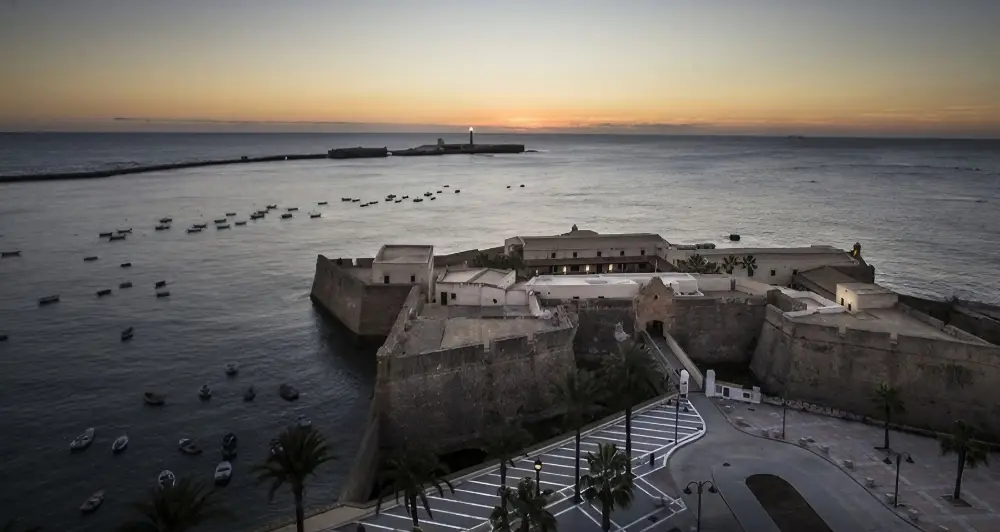
No tour of the Siege is complete without a walk along the Paseo de Canalejas and the Murallas. Stroll the sea-facing ramparts where the Atlantic breeze hits you, the same breeze that allowed the British Navy to keep the port supplied, frustrating the French blockade for years. We visit the Castillo de Santa Catalina, a star-shaped fortress jutting into the sea, which served as a final line of defence and now offers one of the most cinematic views of the La Caleta beach.
Beyond the Battlements: The soul of the city
Of course, a TOMA & COE journey is never just a military history lesson. To visit Cádiz is to fall in love with its light, its salt-crusted stones, and its legendary appetite.
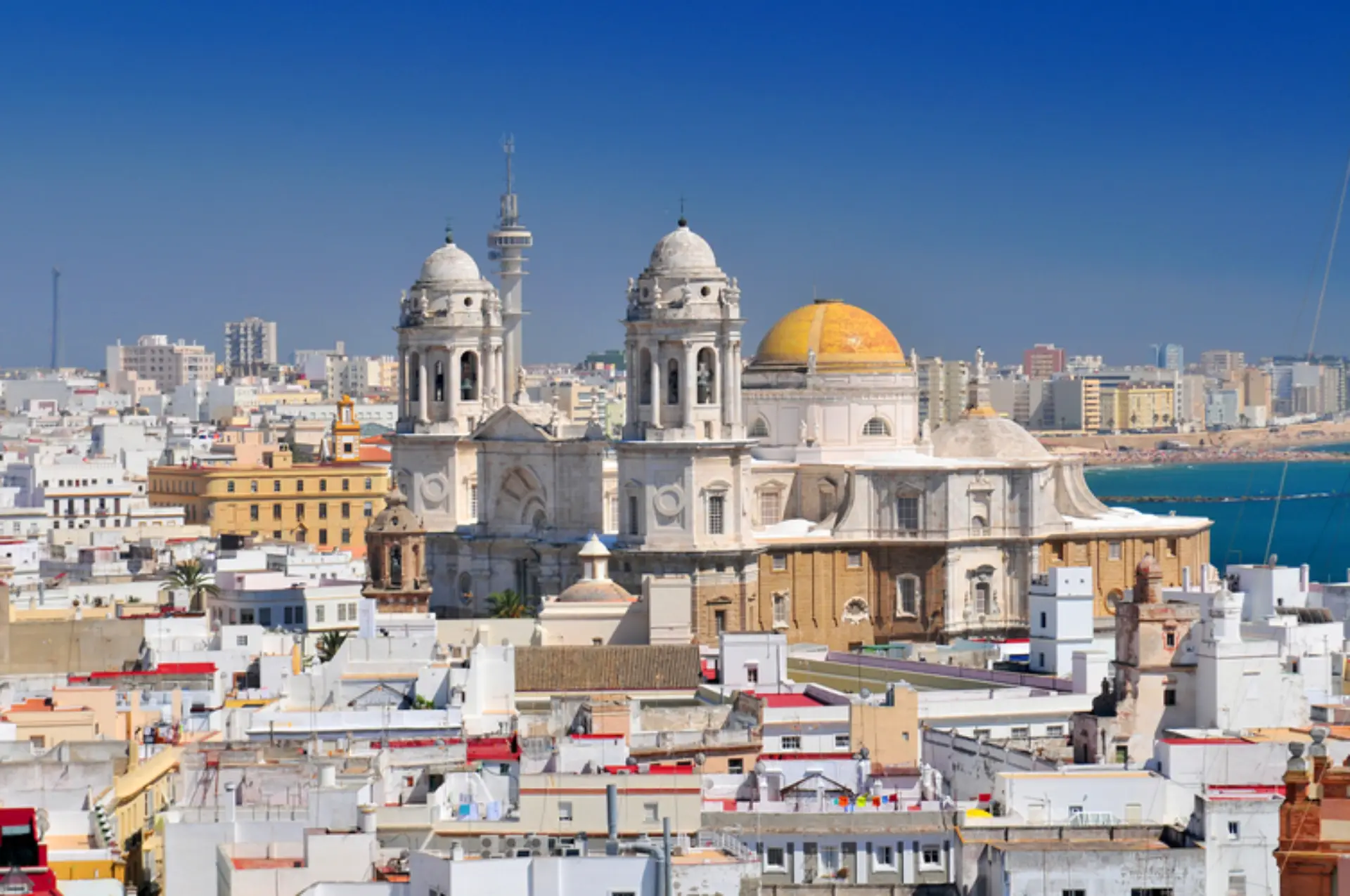
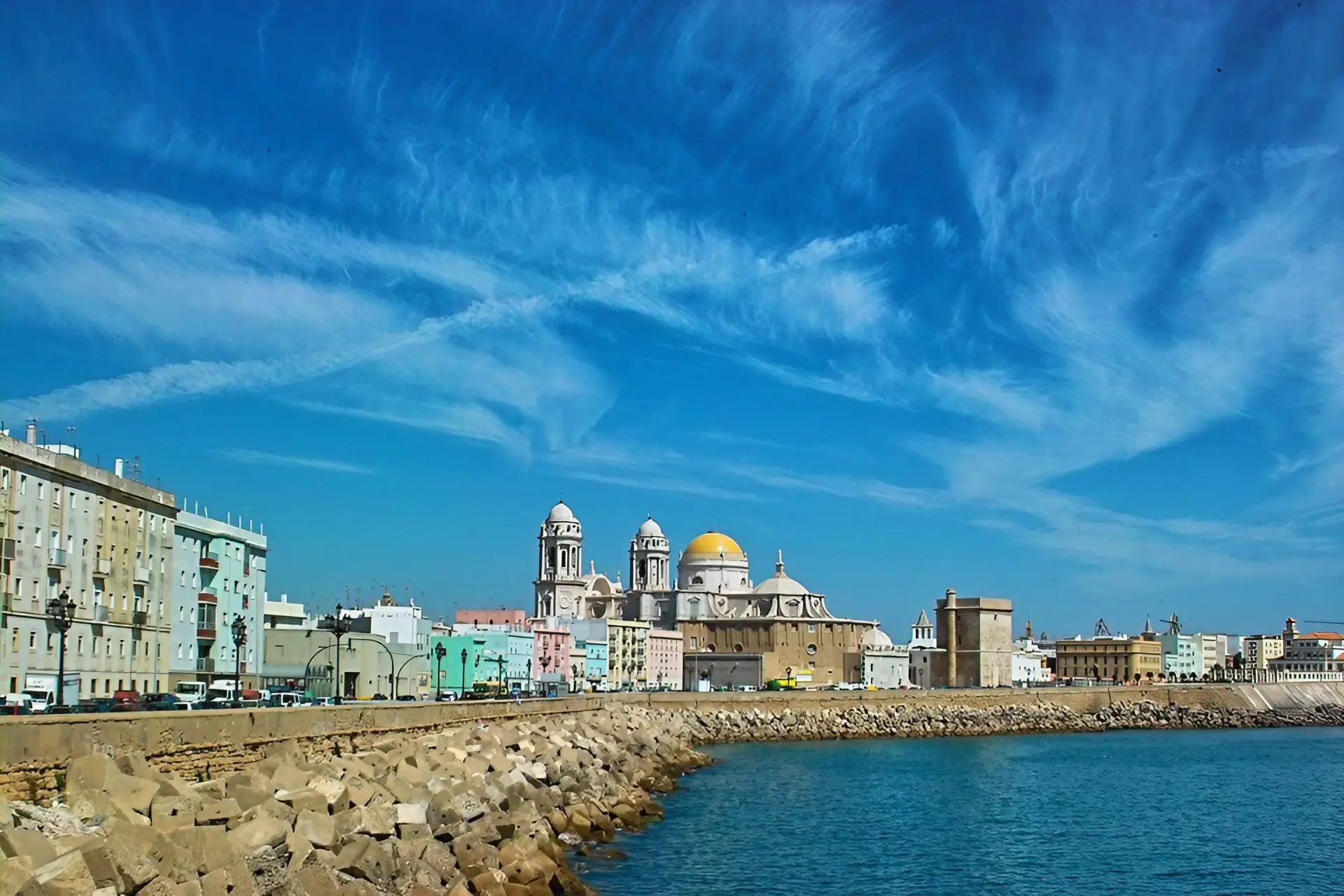
Take a walk along the Campo del Sur and you’ll see why Cádiz is often called Havana’s twin. The pastel-coloured buildings facing the sea and the golden dome of the Catedral de la Santa Cruz create a skyline that feels more Caribbean than European. Duck into the Barrio del Pópulo, the city’s oldest neighbourhood, to find hidden Roman ruins tucked behind medieval arches.
No visit is complete without a stop at the Central Market. Even during the Siege, Cádiz was a city of luxury and trade. Today, it is a temple to the Atlantic. Navigate the stalls of shimmering tuna, giant spider crabs, and the tiny «tortillitas de camarones» (shrimp fritters) that are the city’s signature snack.
| TOMA Tip: Grab a glass of bone-dry Manzanilla from nearby Sanlúcar and pair it with some atún encebollado local bluefin tuna gently stewed with onions, vinegar, and spices. |
A fabulous end to a day in Cádiz is at La Caleta, the iconic city beach framed by two castles. This was the ancient port of the Phoenicians and the Romans. As the sun begins to dip, the «Luz de Cádiz» — that famous, blinding Atlantic light — turns the entire bay into liquid gold. It is the perfect spot for a «Sherry sunset,» reflecting on how this tiny, resilient city managed to keep the world’s greatest conqueror at bay while never losing its sense of humour or its taste for the good life.
Experience the resilient spirit of Cádiz
Cádiz in May is spectacular (and any time of the year to be honest!). The Atlantic breeze is refreshing, the tapas bars are humming, and you can hear the call of history from every sea-worn wall.
It is a symbol of resilience, a coastal gem, and a culinary powerhouse all in one.
We invite you to walk the ramparts of a city that Napoleon could see, but could never touch, and then stay for the best fried fish in the world.
Ready to discover the unconquerable city? Contact TOMA & COE for a bespoke tour.