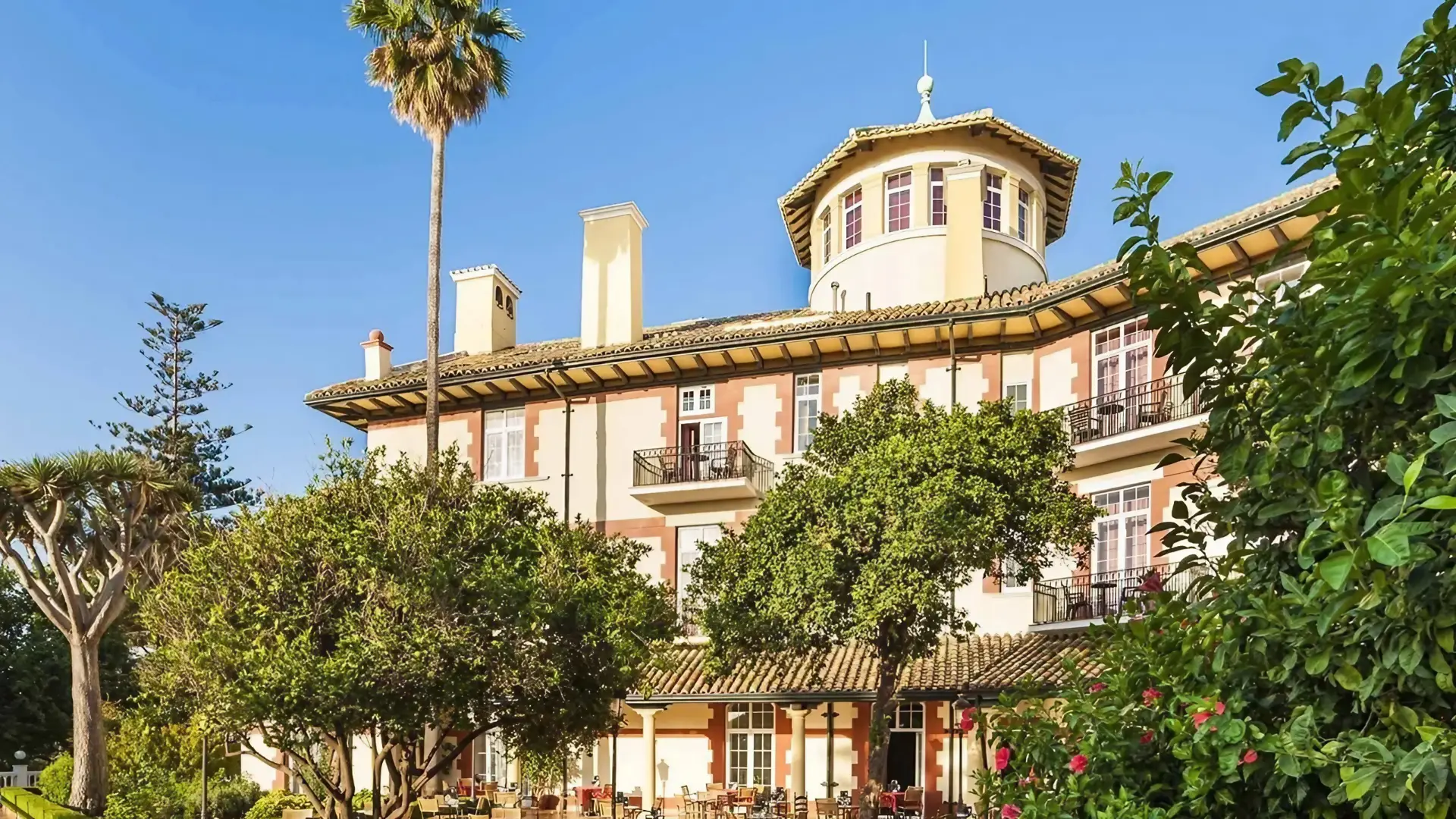
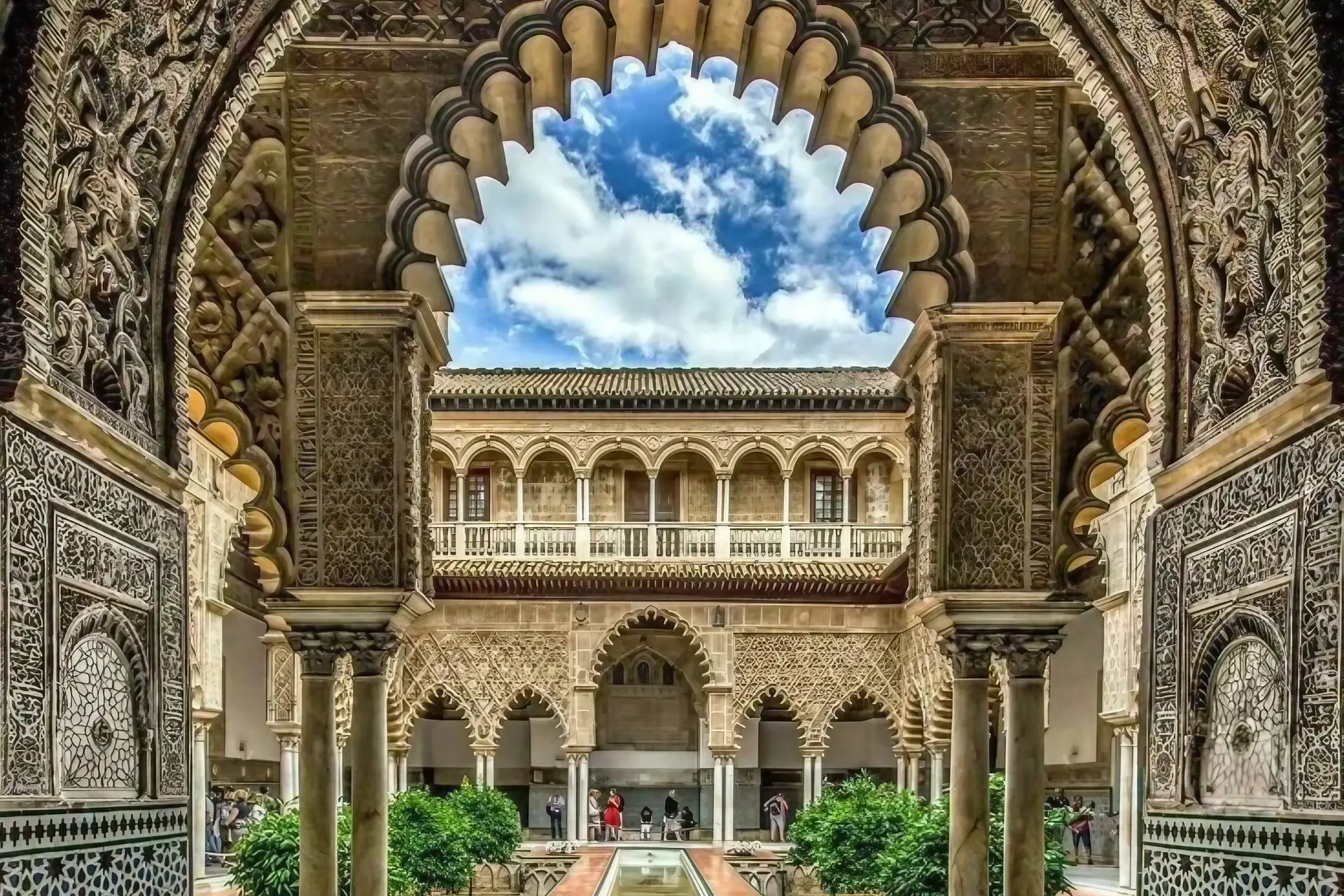
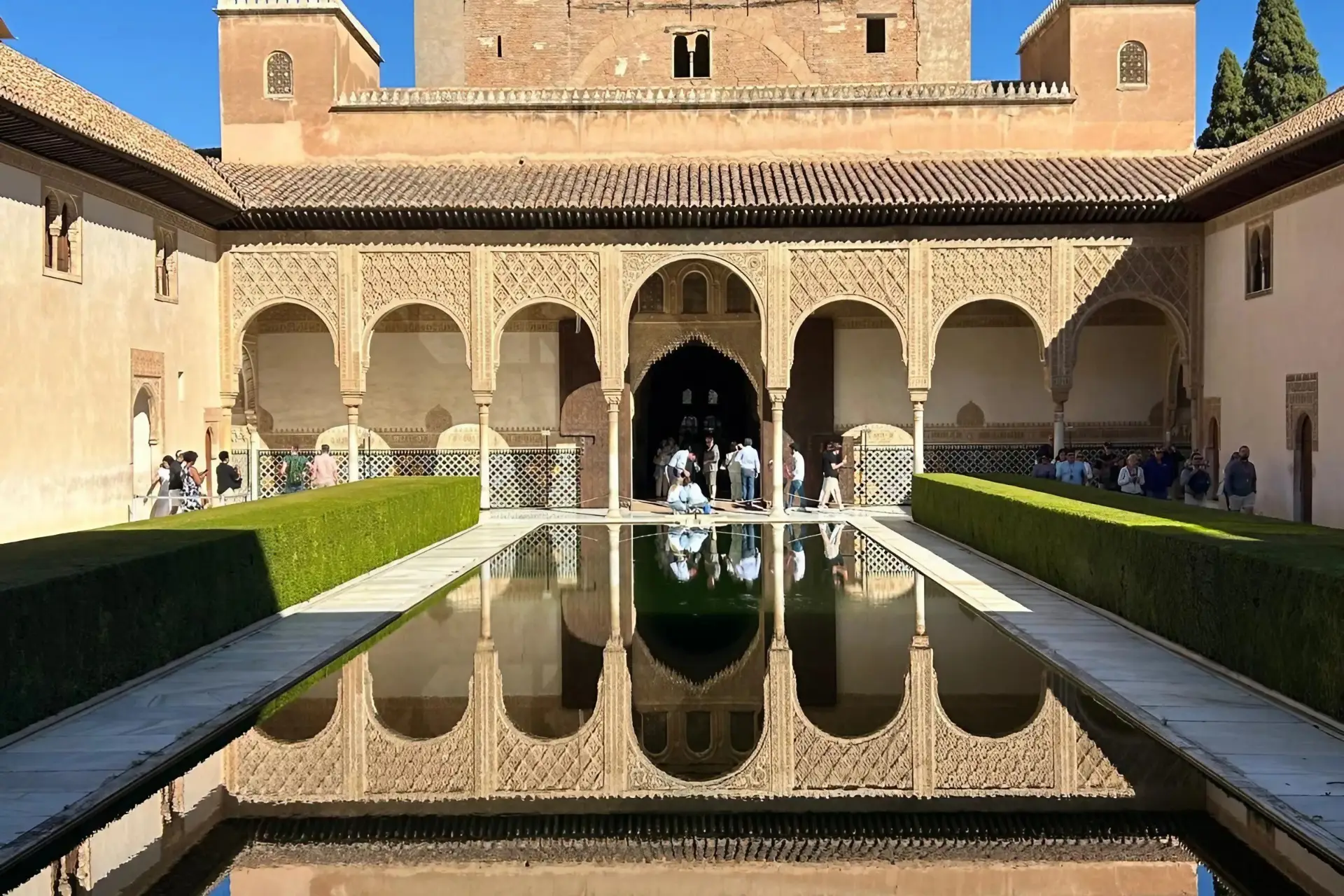
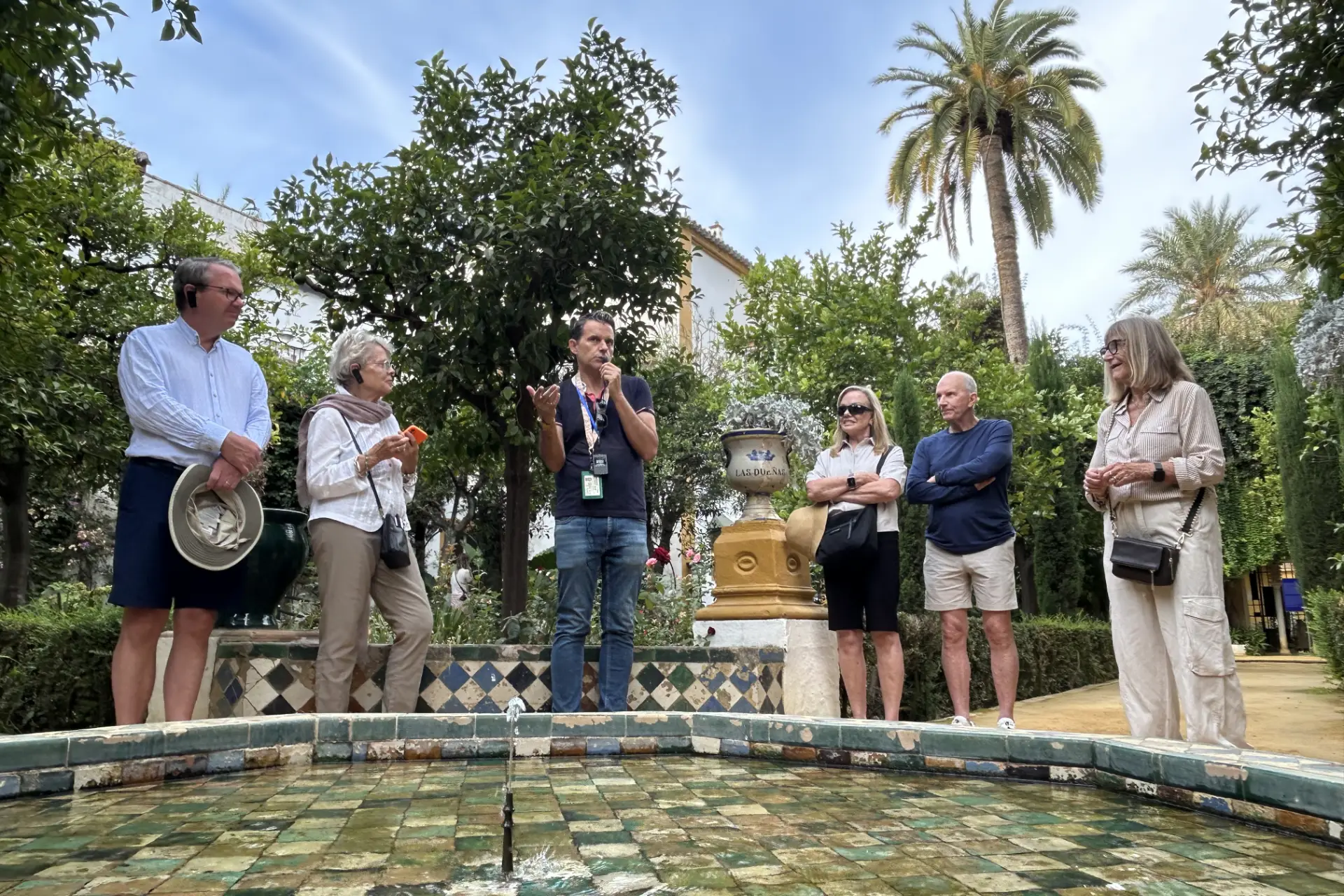
There are hotels you stay in, and places that quietly teach you where you are. Paradores belong to the second category. Scattered across Spain, Paradores are not simply historic buildings repurposed for comfort. They are castles, monasteries, fortresses and palaces that still carry the weight of their original purpose. Staying in one changes the way you experience a place. You are not observing history; you are inside it.
For travellers who value depth over novelty, Paradores offer a particular kind of luxury — one rooted in continuity, proportion and setting rather than spectacle.
What makes a Parador different
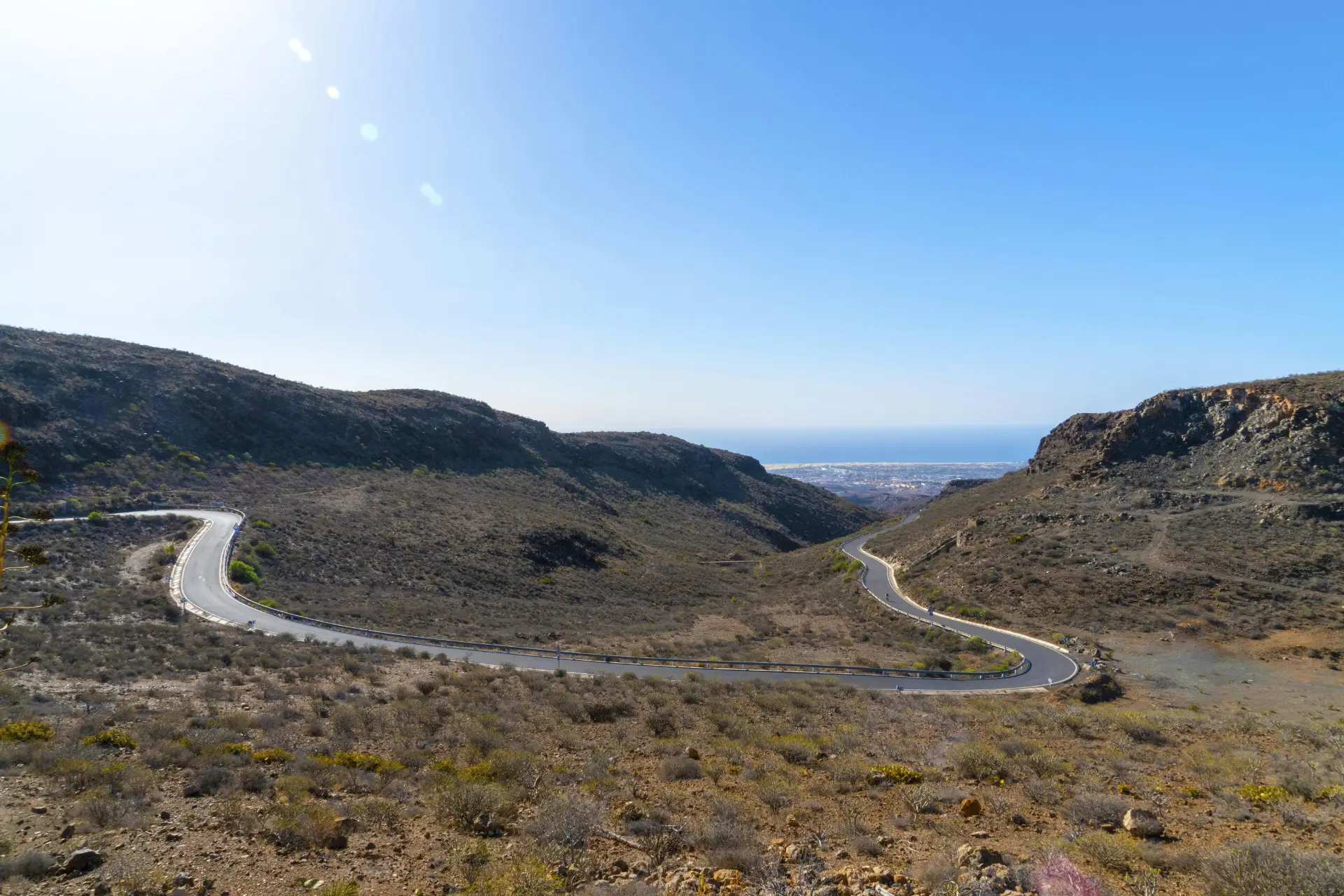
A Parador is rarely in the obvious place. Some sit above towns rather than within them. Others are reached by winding roads that thin out long before you arrive. Many were built to command territory, offer refuge, or impose order on landscape.
Their scale reflects this. Rooms are generous but restrained. Public spaces feel ceremonial rather than decorative.
Luxury here comes from:
• location that cannot be replicated
• architecture shaped by centuries, not trends
• a sense of arrival rather than anonymity
Paradores in Andalucia
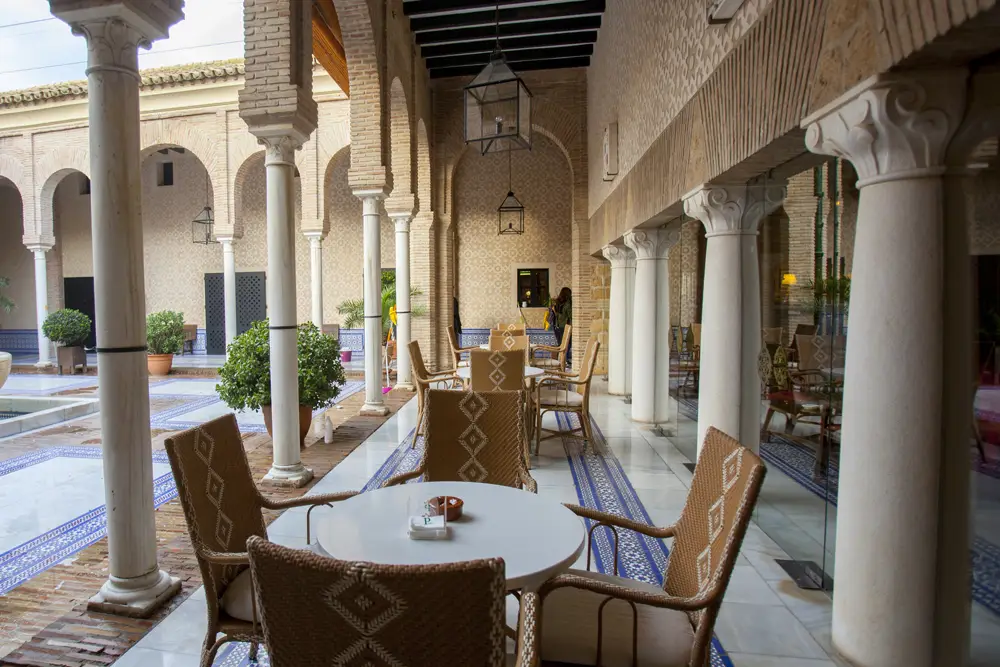
Andalucia holds some of Spain’s most compelling Paradores, partly because history here was never static. Roman roads, Islamic rule, Christian reconquest and imperial ambition all left structures designed to last.
The Parador de Jaén rises above an olive landscape so vast it becomes almost abstract. From its terraces, the province reveals itself not as a series of villages, but as a single, rhythmic terrain shaped by agriculture and light. Days here lend themselves to slow movement — olive mills, Renaissance towns, long lunches — before returning to quiet altitude in the evening.
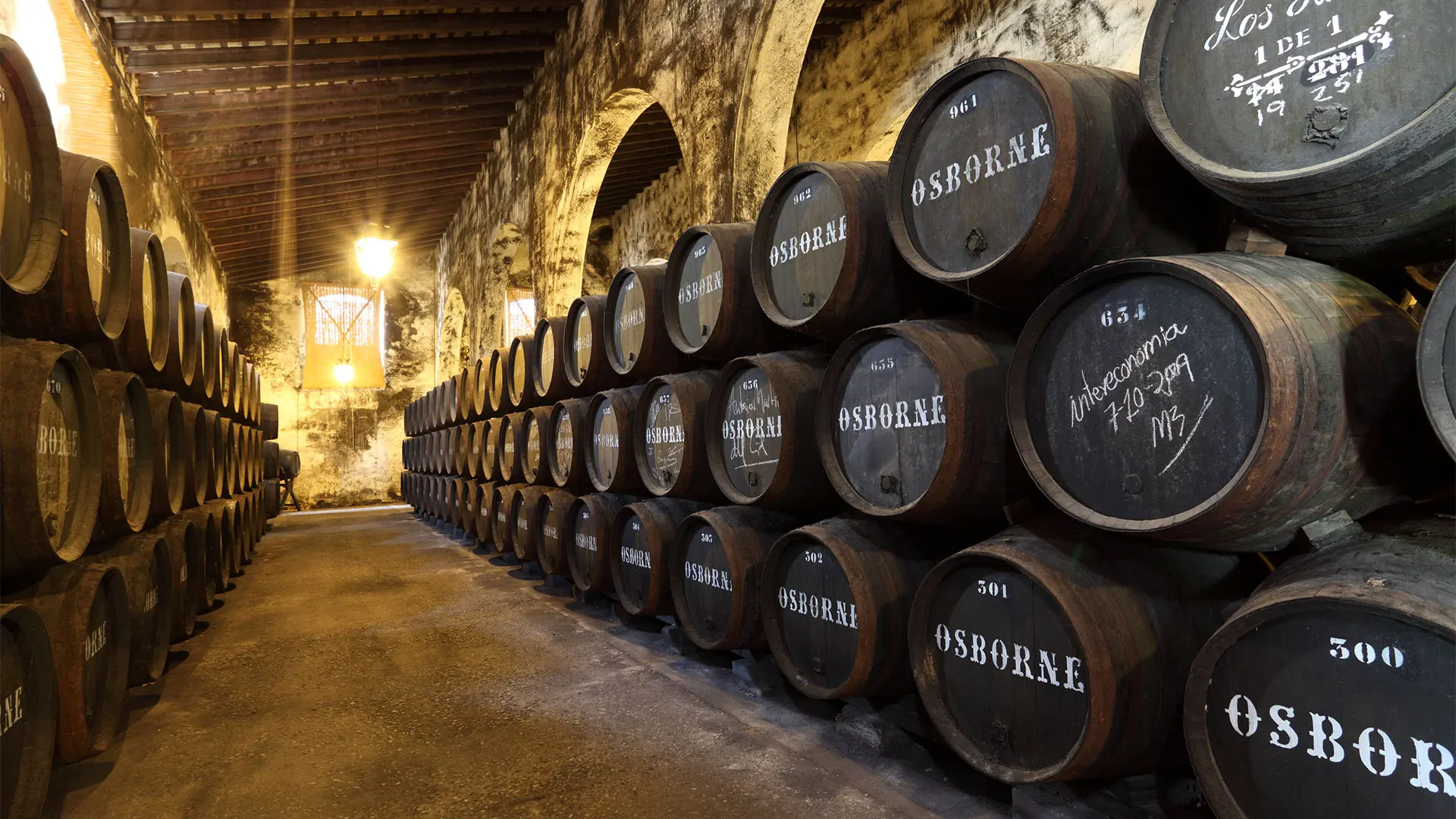
Further west, Paradores near Cádiz and Huelva engage with a different mood. Atlantic light, salt air and wide horizons soften the sense of monumentality. These stays pair naturally with walks through sherry towns, coastal paths and marshlands where nature still sets the agenda.
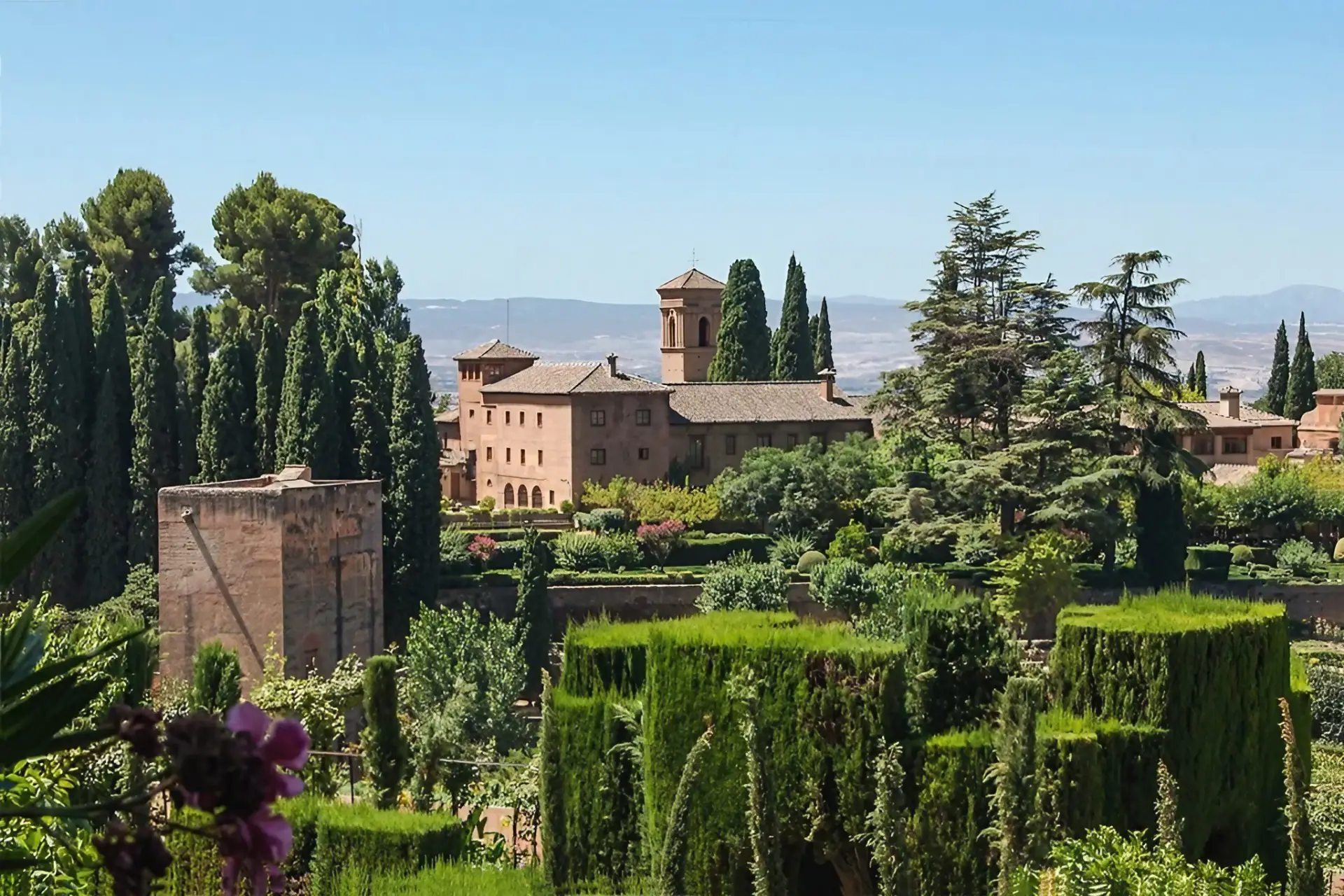
In Granada, the Parador within the Alhambra occupies a former convent. Staying here reframes one of Spain’s most visited sites. Early mornings and late evenings belong to you, when the crowds have thinned and the space returns to its original pace. Granada itself unfolds best over several days — walking, conversation, music heard by chance rather than sought out.
Paradores as a way of travelling not a destination
What makes Paradores particularly suited to thoughtful travel is how they connect to one another. They form a loose network that encourages movement through regions rather than between cities.
A journey might move from Córdoba’s quiet intensity to the open landscapes of Jaén, then on towards Úbeda and Baeza — towns that reward time and context more than speed. Another route could follow the spine of southern Spain westward, linking inland Andalucía with the Atlantic edge, allowing the traveller to feel how geography shapes culture.
These are not itineraries designed around highlights, but around continuity — how one place leads naturally into the next.
Northern Spain and the Camino
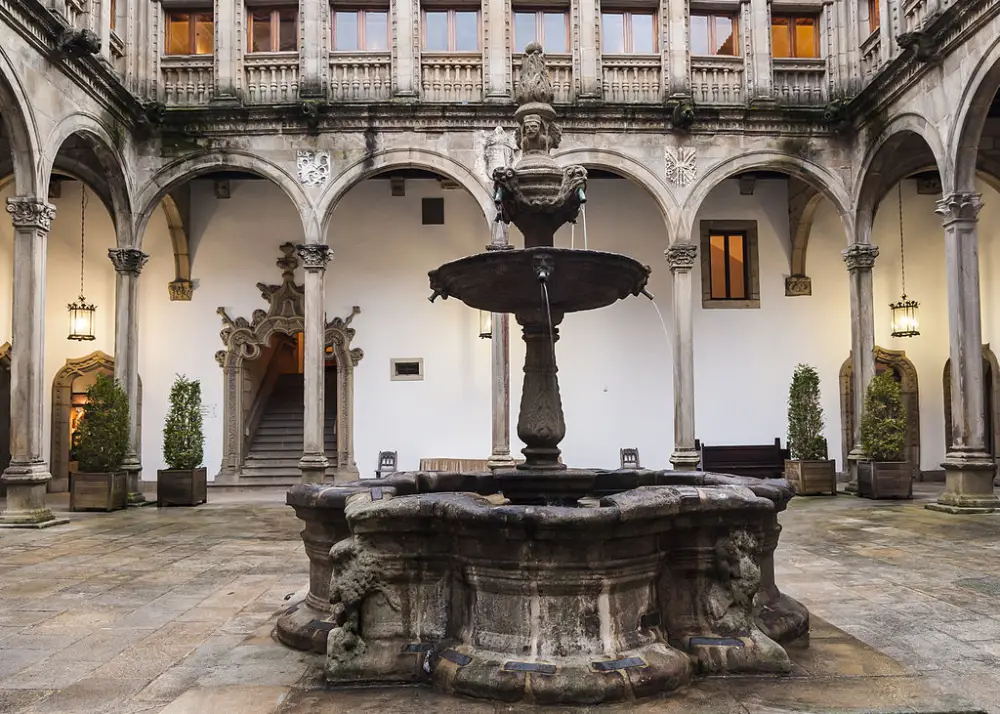
In northern Spain, Paradores take on a more austere elegance. Stone replaces stucco. Green replaces gold. Buildings often feel inward-looking, designed for protection and contemplation.
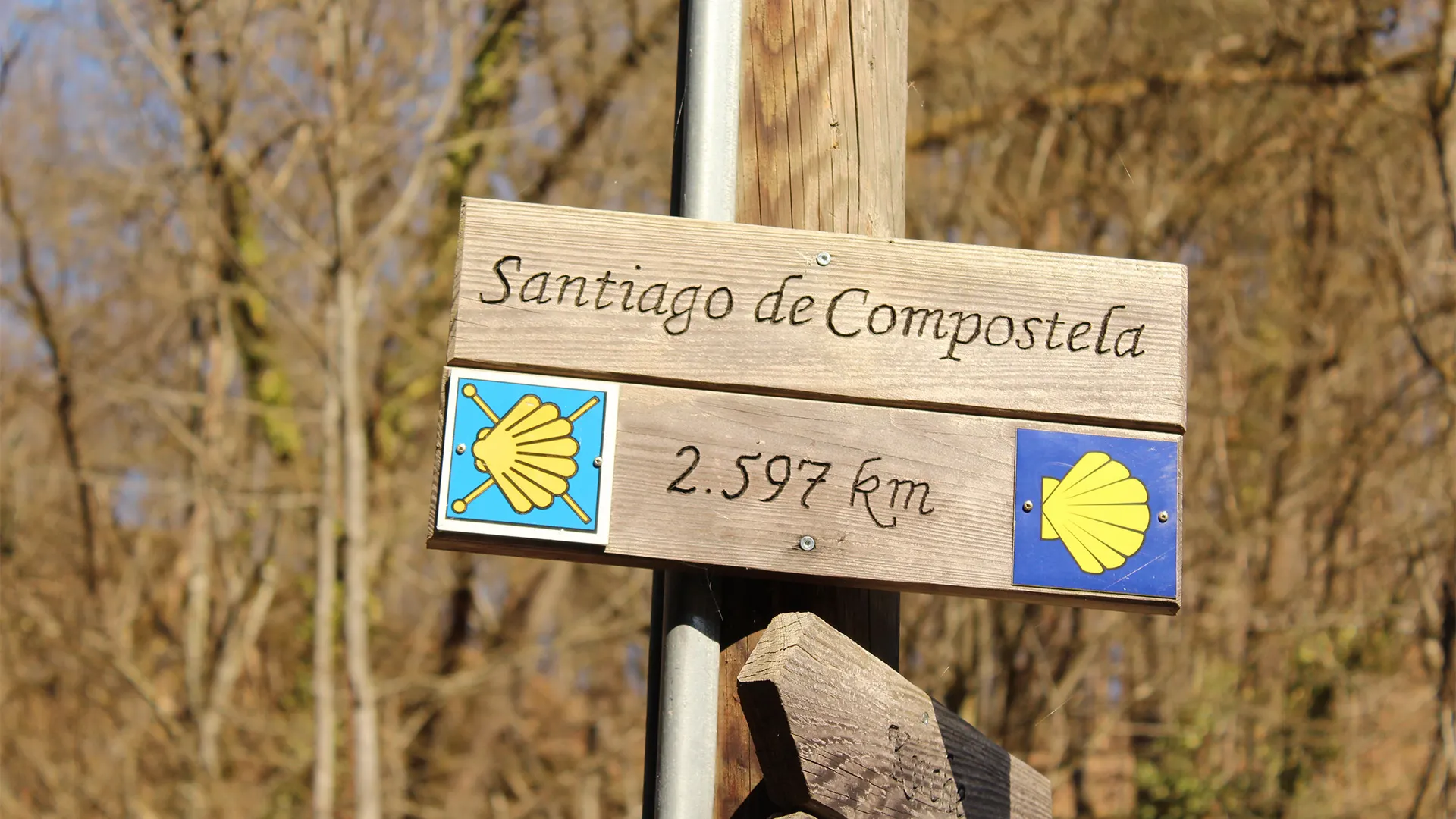
Along Camino routes, Paradores offer a particular counterpoint. They sit just outside the pilgrim rhythm, allowing walkers to step briefly into comfort without breaking the spirit of the journey. Even for those not walking, these landscapes invite the same reflective pace — mornings shaped by weather, afternoons by terrain, evenings by simple food and conversation.
Staying in the Parador at Santiago or along a lesser-known Camino route offers insight into why pilgrimage has endured here. The architecture supports quiet. The land does the rest.
Eating well without theatre
Dining in Paradores is rarely about innovation. It is about continuity.
Menus tend to reflect regional cooking — dishes that exist because they suit climate, produce and history. Olive oil where olives grow. Game where hunting once mattered. Fish where ports shaped daily life.
Meals unfold slowly, often in rooms originally built for other purposes: refectories, halls, cloisters. The experience is not curated, yet it feels considered. This kind of dining suits travellers who are less interested in trends and more interested in understanding where they are.
Who Paradores are really for
Paradores are not designed for constant stimulation. They suit travellers who:
• value atmosphere over amenities
• prefer silence to entertainment
• enjoy walking, reading, thinking
• want accommodation to deepen, not distract from, a place
They work particularly well for those who have already travelled widely in Spain and are now seeking coherence rather than contrast.
Travelling Spain through Paradores
To travel through Spain using Paradores is to accept a different rhythm. Distances matter. Landscape matters. Evenings matter.
Journeys become less about what you will see tomorrow and more about where you are now. The result is travel that feels composed rather than crowded — structured but never hurried.
In a country as layered as Spain, this approach allows places to reveal themselves gradually. And that, perhaps, is the quiet luxury Paradores were offering all along.